by Kitty Leong | Jul 1, 2026 | CASS 的故事 - TW
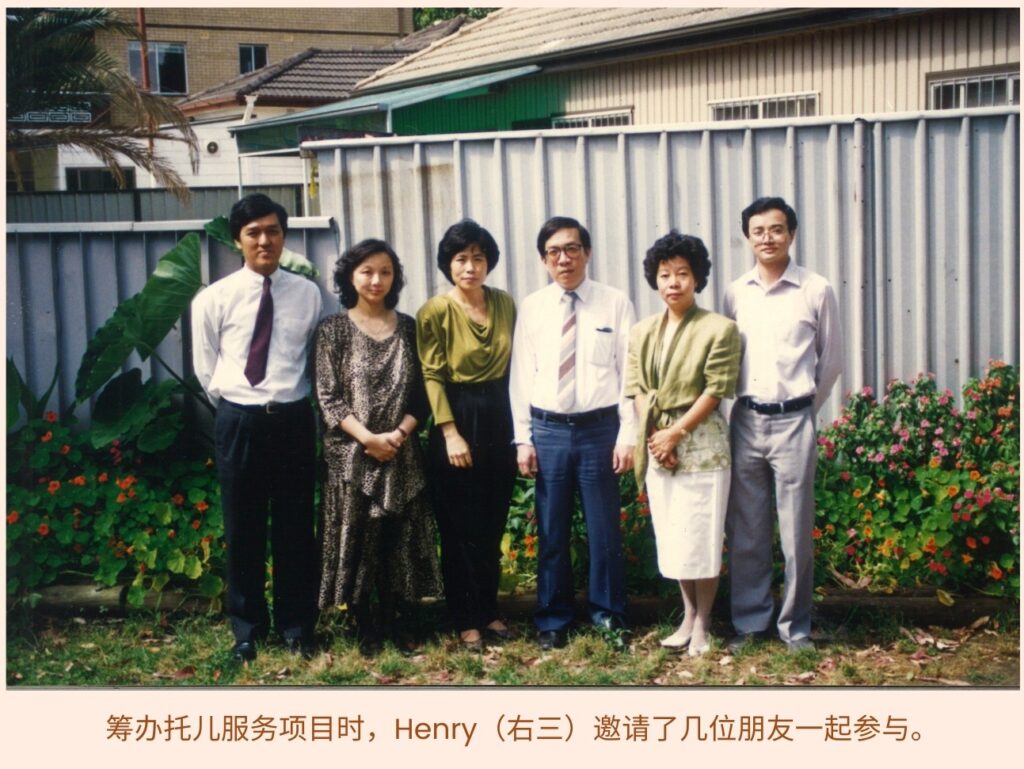
眾人拾柴火焰高,1980年3月,Henry找到了幾位志同道合的朋友加入籌備委員會,一起來出謀劃策爭取政府撥款,以便建立適合華人社區的托兒中心。
這項善意的行動,得到不少人士的支持,願意作為義工。前文講述了籌委會和義工們,在當時華人聚居的Surry Hills區,進行了兩項實地調研。完成了兩項調研后,覺得需有數據反映悉尼華人全社區支持項目,這裡分享他們開展的第三項調查。
那時候沒有網絡和報紙,要搜集散居在悉尼各區華人社區的數據,是件不容易的事情。經過商議后,大家覺得只有通過電話作抽樣調查,因為一般華人家庭都有裝電話。
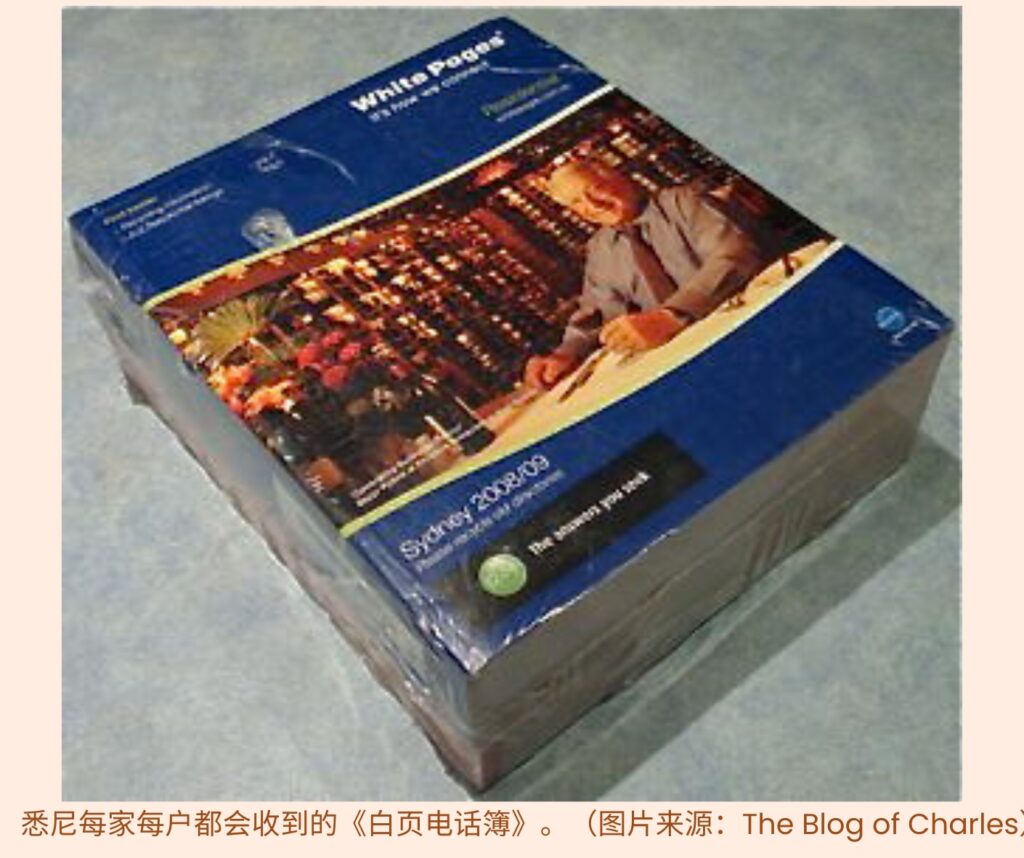
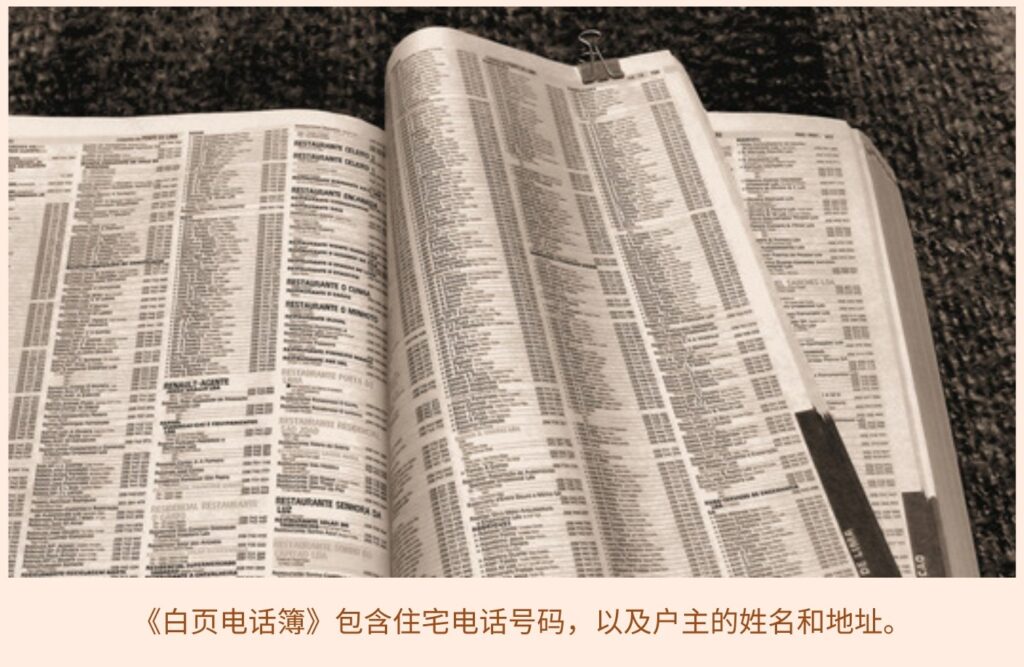
Henry找來了每家每戶都會獲派的《白頁電話簿》,篩選出帶有常見華人英文姓氏的號碼,共整理出了約5000個電話號碼。
接着,他將這些電話按戶主姓氏的英文字母順序編號,再利用電腦表單中的隨機抽樣功能,抽取出150個樣本,分派給共10位籌委會成員和義工們,要求每人撥打15個電話,進行包含六七個問題的簡短訪問,收集每個家庭的意見、建議。
數據都收集到了,接下來需要分析數據和撰寫申請書。對於分析數據,Henry自己挑起了這項工作。而撰寫申請書正在為難之際,Henry遇到了曾在UNSW求學時的一位西人朋友——Vivienne Teoh,她正在攻讀政經學博士,擅長撰寫文案,無疑是寫申請書的最好人選。於是,Henry問她是否願意幫忙,她一口答應。
在8月到11月間, Vivienne主筆撰寫報告書,Henry從華人的角度提了不少意見。經過反覆打磨,於1980年12月1日,申請書正式遞交給政府:一份交聯邦政府,一份遞州政府。
籌委會還有件大事要做:要管理政府撥款,必須要有一間合法註冊機構。
從12月到次年的3月,籌委會馬不停蹄地籌備成立機構事宜。那時澳洲還未有“社團法”註冊的組織形式,只能選擇註冊為公司或合作社。一般上,非牟利性質的社區服務機構,是註冊為合作社(Cooperative Society),因此籌委會選擇了成立合作社,起名為“雪梨華人民眾暨兒童服務社”。有了決議,大家便分頭招攬人參加。
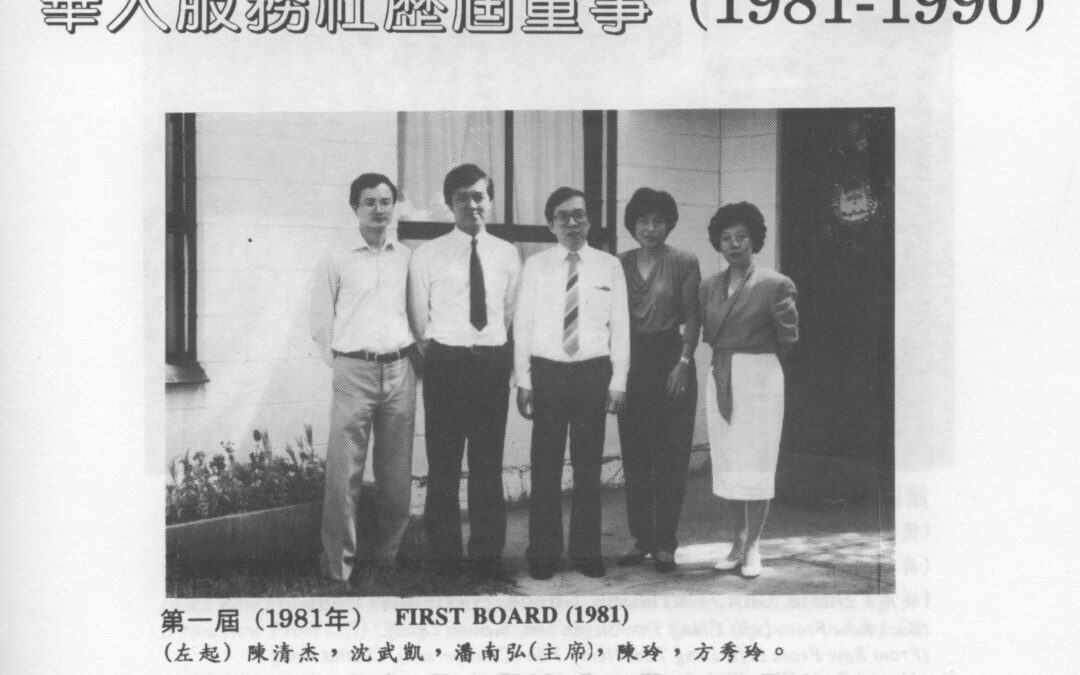
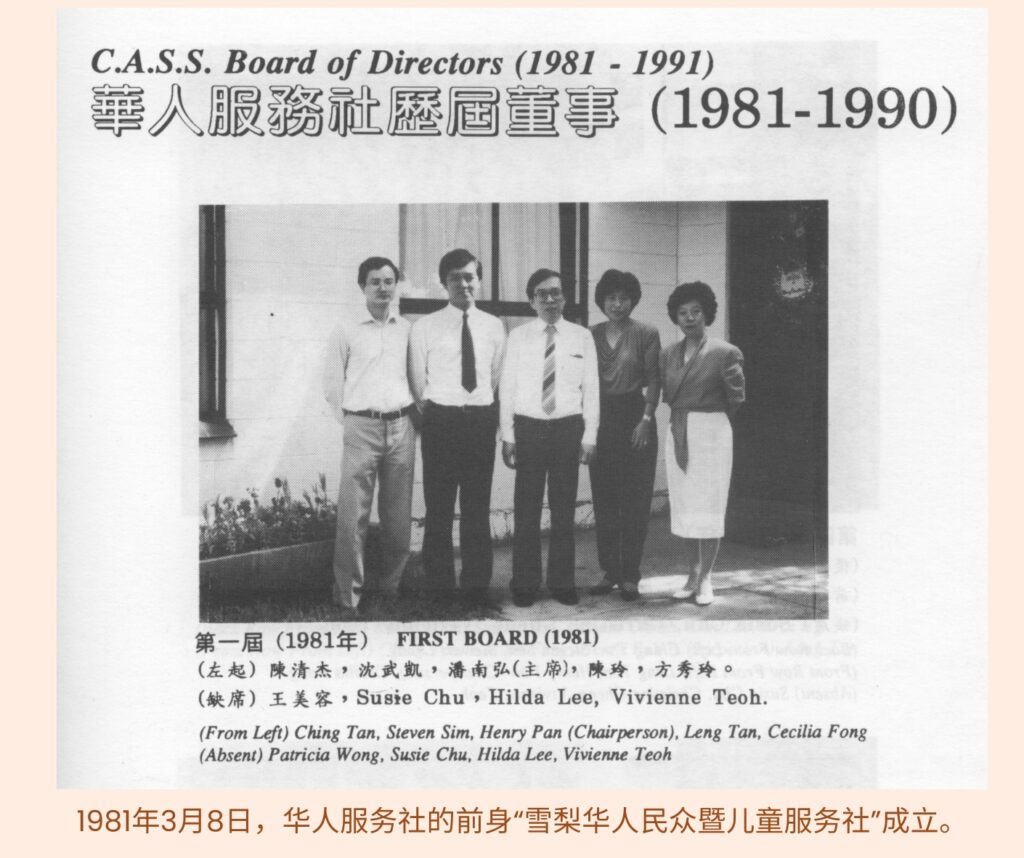
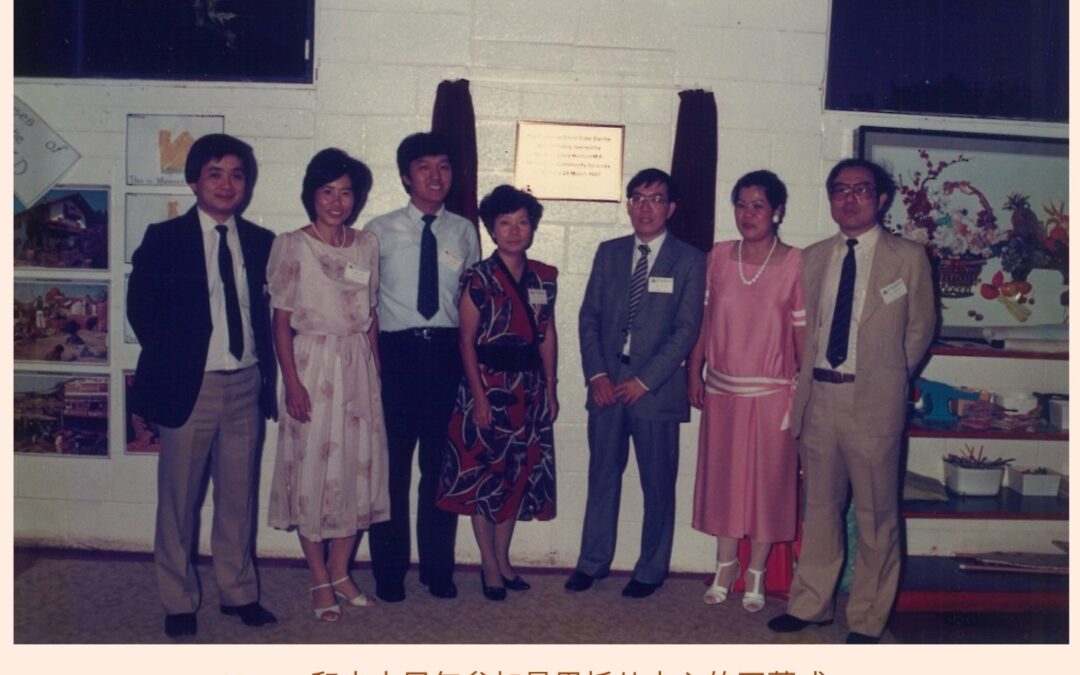
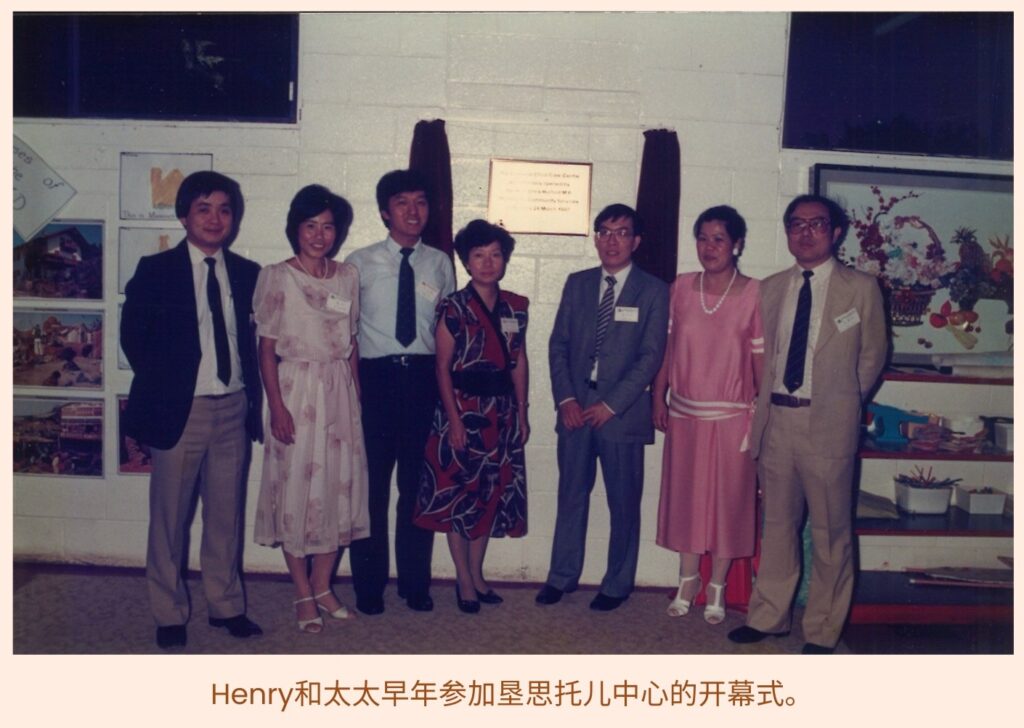
1981年3月8日下午,籌委會在借來的場地莎莉山鄰里中心召開成立大會,有約70人參加,選出了第一屆董事局成員:潘南弘、陳清傑、陳玲、方秀玲、黃美榮、Vivienne Teoh、朱羅竹英、李曾敏謙和沈武凱;潘南弘被推選為董事局主席,陳清傑為秘書。
申請政府撥款有着落嗎?下期分享。
by Kitty Leong | Jul 1, 2026 | CASS Story - EN
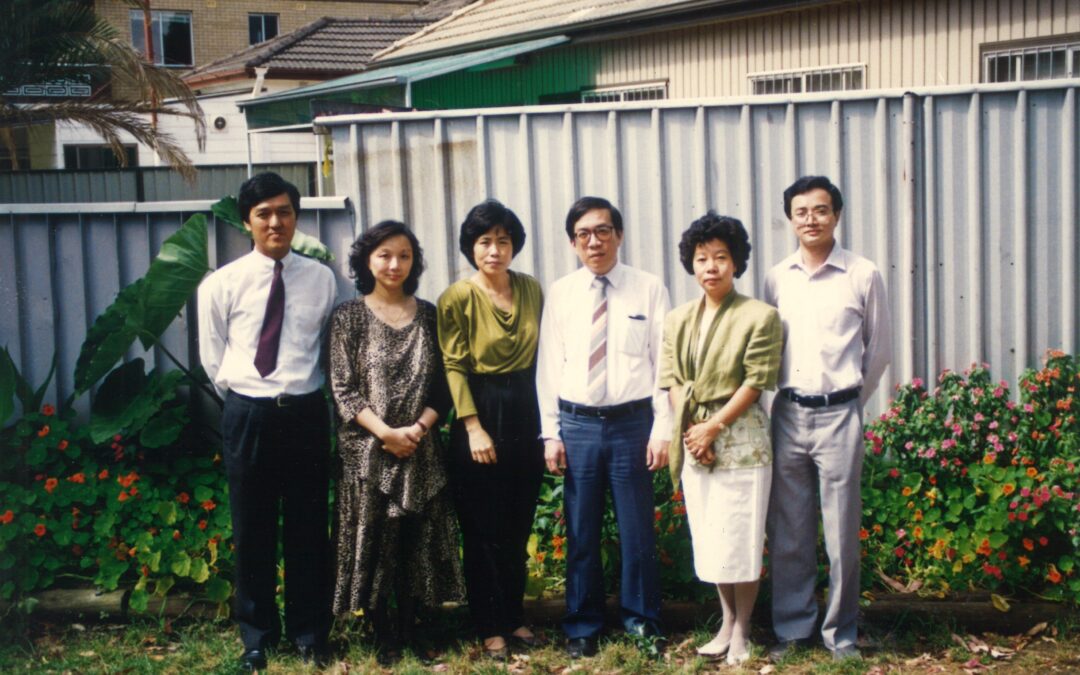
Starting a business is more than reciting a slogan. It requires careful planning and execution step by step. In the last article, Mr. Henry Pan shared his experience of becoming a volunteer by accident. He has since been involved in voluntary work for over 45 years. He continues to share his experience of building the organization.
At the preparation meeting on 12 January 1980, Henry was unanimously voted to become the Convenor of the Preparation Committee.
At that time, CASS did not have any service. Henry had to start the organization from scratch to establish child care service.
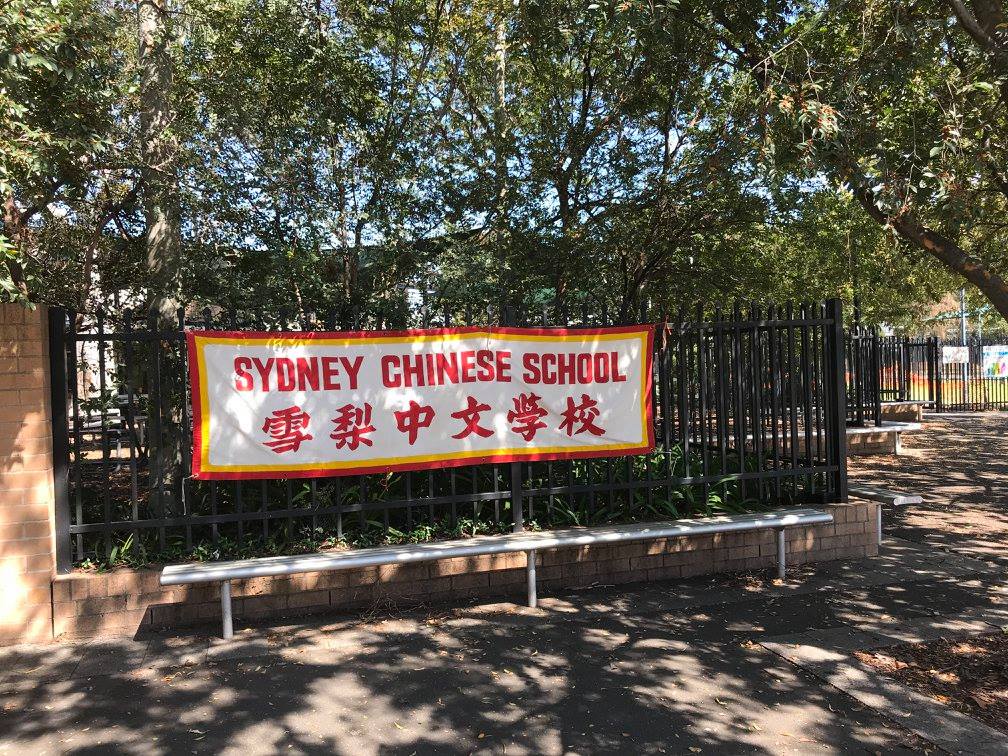
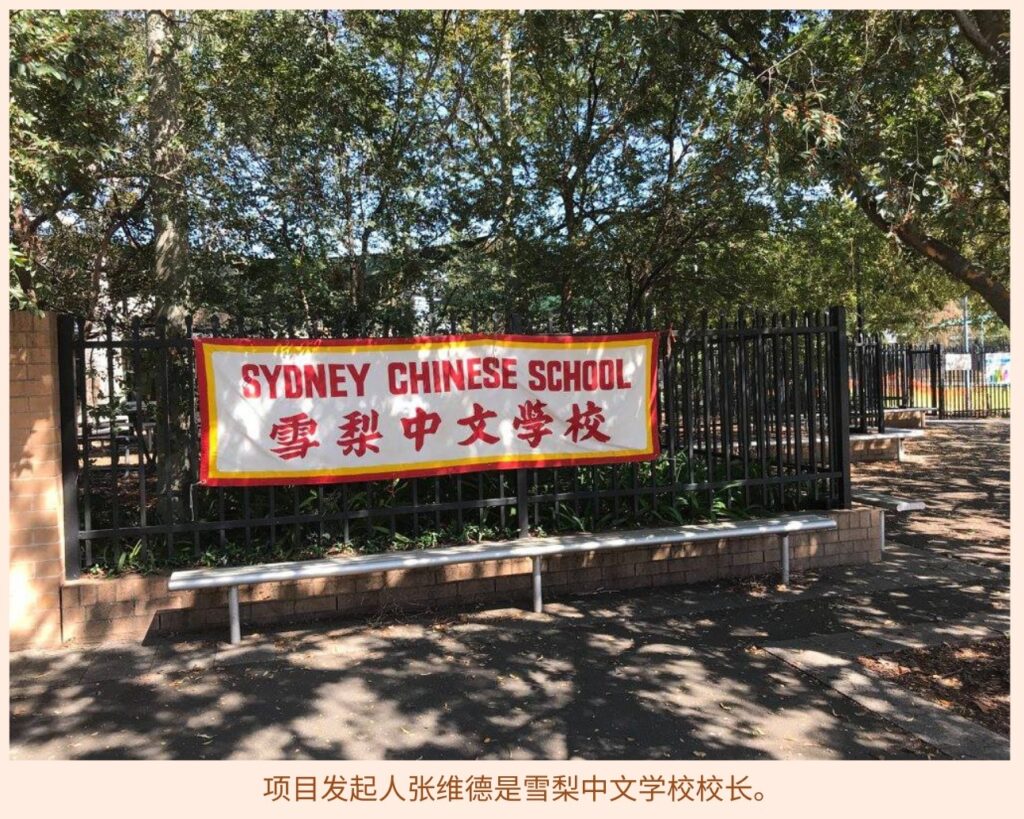
He wanted to invite like-minded people to join the work. However, Mr. Wee Teck Teo who initiated the project said he needed to seek approval from the Board of the Sydney Chinese School. While Mr. Teo himself was willing to take part in the work, the Chinese School decided not to join the project, and Henry could make decisions on his own. Hence, there were only 2 people in the Project, himself and Mr. Teo.
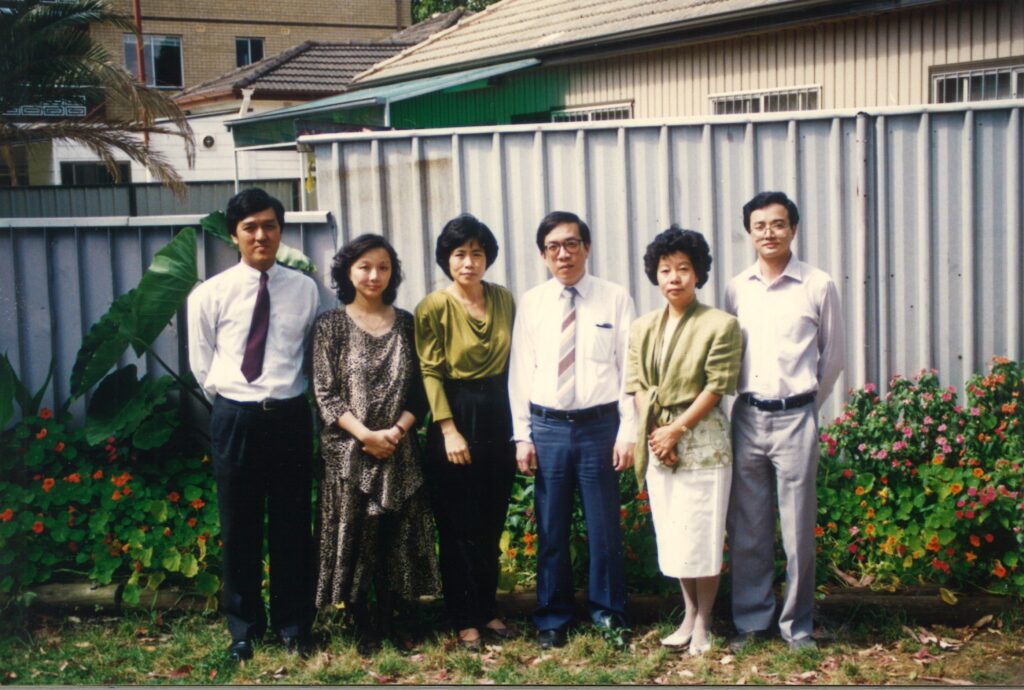
He invited 6 to 7 of his friends to get involved in the Project. Among them included Dr. Leng Tan, Mr. Ching Tan, Dr. Cecilia Fong, Ms. Patricia Wong, Mrs. Hilda Lee plus Mr. Wee Teck Teo.
Henry found out that the government had set up an organization to assist community groups with intention to apply for funding to operate community services, supporting government’s multiculturalism policies implementation.
After consultation with that organization, Henry learnt that the task required was to submit an application with supporting data indicating the lack of culturally appropriate child care services in the Chinese community and there was an urgent need for the service. The submission required collection of data, analysis of data collected, explanation of why the service was needed, together with proposals and budget.
Henry’s professional background was an engineer, and he did not have knowledge of social research methods. Other committee members were either doctors, teachers, accountant or nurse, and they also did not have knowledge about conducting surveys. Fortunately, two heads are better than one!
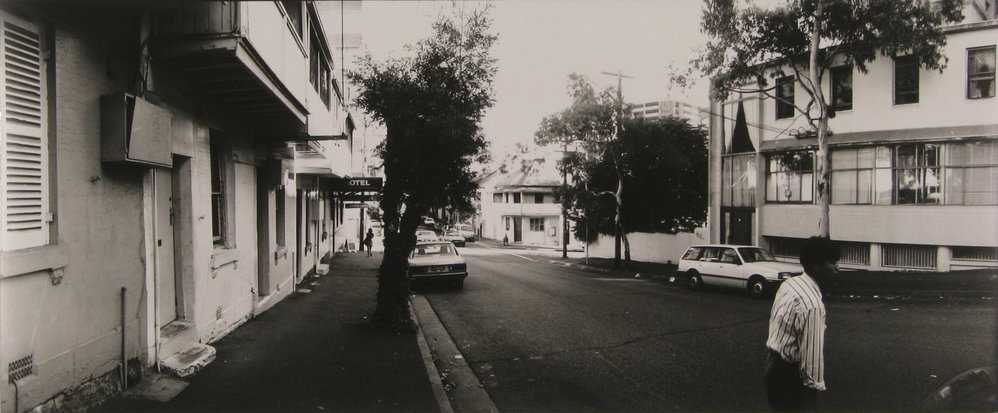
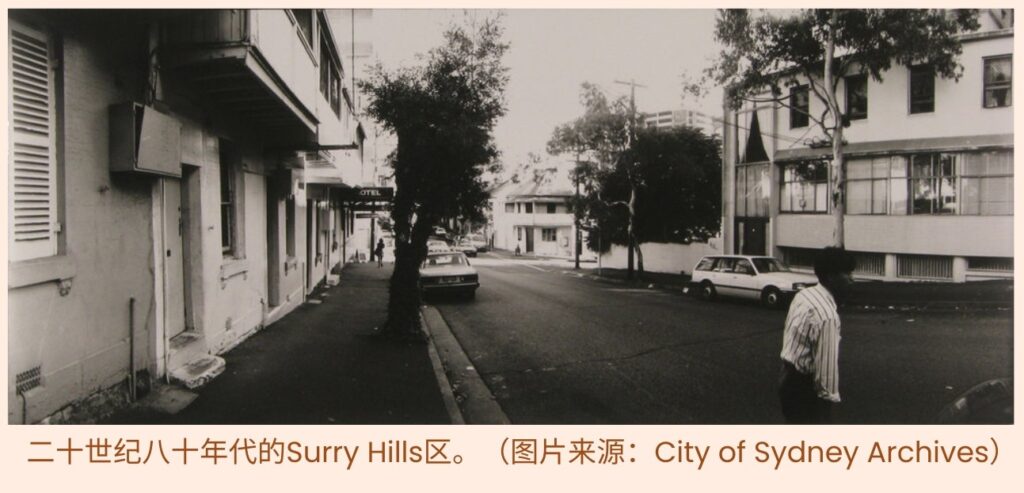
How to go about with the survey? There were not too many Chinese migrants at the time. Apart from Chinatown, it was difficult to find other suburbs with a high density of Chinese residents. After discussion, committee members believed that the proposed child care center should be located around Chinatown area. They decided to conduct surveys around Surry Hills where there was a concentration of people with Chinese background. They wanted to collect data to show that the Chinese community urgently needed a culturally appropriate child care service.
From June to August 1980, Henry and the committee members gathered and coordinated a team of volunteers to carry out two significant tasks.
The first was to conduct door-to-door surveys on Chinese residents in the Surry Hills area. The task received the strong support and assistance from the Chinese Masonic Society. Volunteers chose houses with Chinese residents along Commonwealth Street and conducted interviews. They managed to survey over 80 houses with Chinese residents.
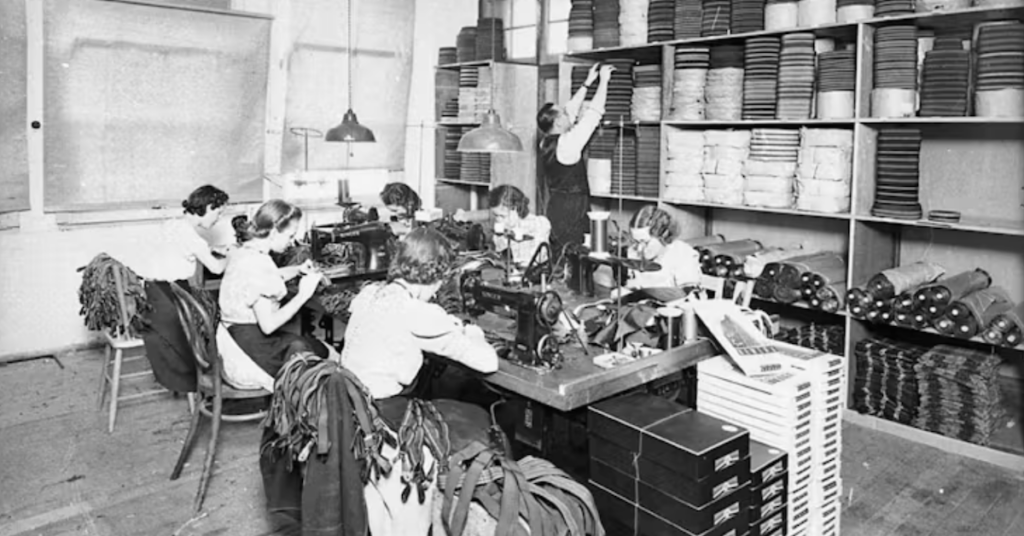
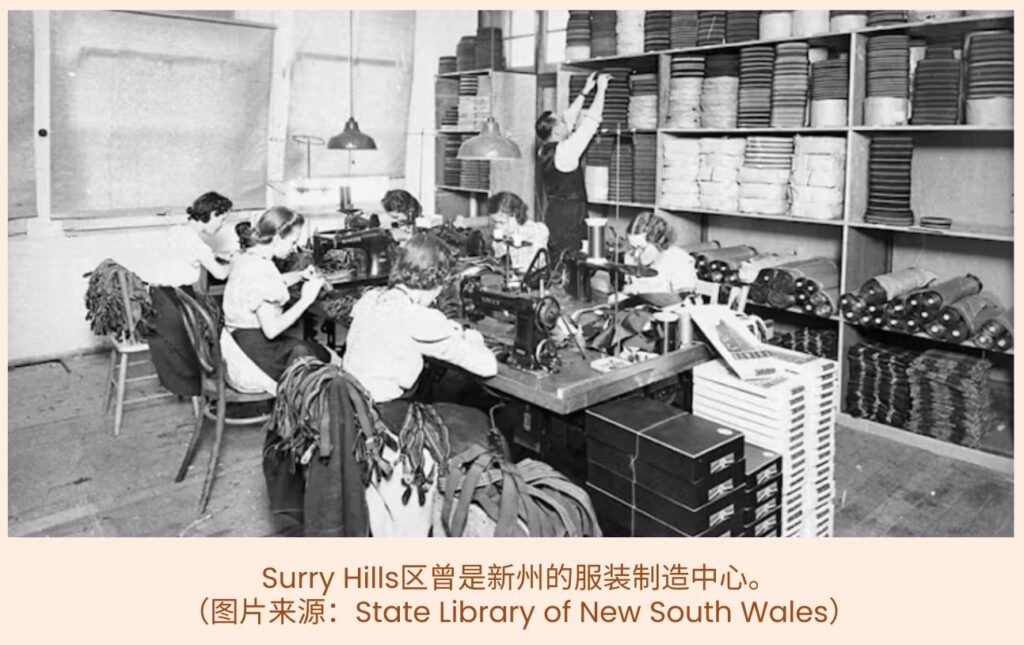
The second task was to interview female Chinese factory workers. There were many garment factories in the Surry Hills area then and most of the female workers were Chinese. Henry contacted two factories. After learning about the intention of the committee, the owners were very supportive as the factory workers needed child care services. Around 20 workers from each factory were interviewed and the result was satisfactory.
After the 2 rounds of survey, it was considered that there was a need to collect data from people in the general Chinese community to show their support for the project. How could it be done? Please stay tuned for the next article.
by Kitty Leong | Jul 1, 2026 | CASS 的故事 - TW
創業不是靠喊口號,而是要腳踏實地一步步的行動。上篇潘南弘(大家通常稱他Henry)講述了他年輕時意外地成為義工的經歷,一干就是四十多年,他將陸續分享這些創業的往事。
1980年1月12日的籌備會上,Henry“眾望所歸”被推舉為項目協調人。
當時,華人社區沒有自身的托兒服務,Henry要從零開始着手創辦。
他想邀有志向義務為社區作服務的朋友來參與,但項目發起人張維德說需要得到雪梨中文學校管委會同意;而學校管委會方面因只有兩人願意參與,包括了張維德,於是決定學校不再參與,Henry可自行處理事情。
他邀到了六七位朋友來參與,其中包括陳玲、陳清傑、方秀玲、沈武凱等,加上張維德和李曾敏謙。
Henry打聽到,澳洲政府為了配合推行多元文化政策,設立了一間機構,協助民族社區團體申請撥款,以資助提供服務。
諮詢后他心裡有了眉目。首要任務是給政府遞交一份申請書,裡面列舉證據,說明華人社區缺乏符合自己文化的托兒服務,迫切需要籌辦此服務;申請書需有搜集到人口統計數據、調研結果,解釋為何要有相關服務、提出建議和方案、預算等。
雖然Henry是工科出身,不知社工科研究事項的方法,而其他籌委會參與者多是醫生、教師、會計、護士等,對調研也不了解。不過俗話說:“三個臭皮匠,頂個諸葛亮“。
如何調研呢?當時華人移民不多,除了唐人街一帶,很難找到有很多華人聚居的地區。討論后,大家認為籌劃的托兒中心將在唐人街,決定選擇當時華人較集中的Surry Hills區作調研,收集資料證明華人社區亟需適合其文化的托兒服務。
在1980年6月到8月期間,Henry與籌委會夥伴們,協調好些義工做了兩件大事。
第一是對Surry Hills區當地華裔居民進行訪問,收集數據證明居民需要適合華人的托兒服務。這項工作得到位於當地的致公堂大力支持和協助,義工們找了Commonwealth Street附近的兩三條街,挨家挨戶敲門,找到了80多戶華裔居民。
第二是訪問當地工廠的華裔女工,收集數據證明他們需要適合華人的托兒服務。當時Surry Hills區一帶有許多制衣廠,大多數女工都是華人,於是Henry聯絡了兩家工廠,告訴老闆來意后,他們都很支持項目,因為華裔女工需要托兒服務。每家制衣廠訪問了二十幾位華裔女工,效果很好。
完成了兩項調研后,覺得需有數據反映悉尼華人社區支持項目。如何進行呢?下篇分享。
by Kitty Leong | Jul 1, 2026 | CASS Story - EN
Young people can benefit from getting involved in community affairs and understanding the needs of the community. These valuable experiences can help them with their careers. Mr. Henry Pan has always been interested in children’s education. He shares his story about becoming a volunteer by accident in his younger days.
It was 8 December 1979. Henry’s wife was invited by a family friend to attend a forum discussion. He had to stay home to look after their 3-year-old daughter. However, Henry was worried that the little girl might miss her mom. Seeing that it was not a formal meeting, and that he had to drive his wife to the meeting anyway, he decided to take their daughter and sit on the sideline of the meeting as an observer. His wife would be available if their daughter needed her.
The meeting was called by the then Principal of the Sydney Chinese School, Mr. Wee Teck Teo. Australia had started to implement multiculturalism policies at the time and the government encouraged ethnic communities to establish community services. Mr. Teo wished to apply for government funding to establish a child care centre for the Chinese community. He organized a forum to discuss the matter. He believed that child care was a matter closely related to ladies and thus invited women he knew to attend the forum. Henry’s wife was one of them.
There were around 20 people at the forum, and they were all actively participating in the discussion. Henry could relate to the topic and shared his daughter’s experience at a mainstream child care centre. For example, when his daughter became hot during outdoor play, the care worker would remove her child’s jacket; however, they would not help her putting the jacket on later, making her getting sick often during the colder days. Parents had to take time off to look after the sick child and it was very inconvenient.
Henry shared some of his personal views which were acknowledged by the other attendees. The participants believed that Henry should be involved in the organizational work, with the goal of getting government funding.
After the Christmas and New Year holidays, the group met again on 12 January 1980. From the original 20 plus people, only 8 to 9 joined the meeting. Many people were eager to share their views but showed reluctance to participate in organizational work.
A problem emerged after a short while during the discussion. For the project to proceed, there needed to have someone who could be available during working hours to liaise with relevant government departmental officials. The attendees at the meeting were all young Chinese migrants who all had to work and would not be available during working hours.
Henry was the only one whose work hours were quite flexible. He was a Teaching Fellow at the university. His workload was not heavy, while he was required to do his PhD studies. His research topic was noise pollution. As the equipment for his experiments was noisy, he could only carry out his experiments in the night time. He thus had some free time during the day. Everybody was looking at Henry.
Henry was unanimously nominated as the coordinator for the project. He was asked to shoulder responsibility for the organizational work.
Henry was not mentally prepared for taking up this ‘hot potato’, having to produce submission to the government asking for funding to establish a childcare centre for the Chinese community.
Henry had no previous experience in community work. It was a huge difficult task to deal with government departments.
Starting from zero without any resources, what was the journey like? Stay tuned for the next article!
💡Conclusion:
Young people often face many difficulties and challenges when they start a new career. They need to have the courage to face and conquer the challenges.
by Kitty Leong | Jul 1, 2026 | CASS 的故事 - TW
年輕人關心社區事務、了解社會需要,這些經驗有助於成就一番事業。一直關心子女教育的潘南弘(大家通常稱他Henry),分享他年輕時意外地成為義工的故事。
那是1979年12月8日下午,Henry的太太受邀參加一個座談會,因此他需要在家照顧年幼的女兒;想到女兒可能哭鬧,他有點煩惱。好在不是正式會議,而且他需當司機送太太,於是決定帶着女兒旁聽,女兒看到媽媽就不會鬧了。
座談會的發起人,是雪梨中文學校的校長張維德。當時,澳洲剛開始推行多元文化政策,政府很鼓勵民族社區自行建立社區服務,所以他想向政府提出撥款申請,辦一間華人社區的托兒中心。如何申請呢?他便召開座談會來討論。他認為托兒服務是和女士有關的事情,所以邀請了許多認識的女士們來討論,Henry太太就是其中一位。
現場二十多個人,七嘴八舌吐槽起找托兒服務的困難,Henry也有切身體會,便插嘴講了一些女兒在本地托兒中心遭遇的事情,如女兒在戶外玩熱了,幼教者經常就把其上衣脫掉;之後不提醒穿回衣服,導致天冷時女兒常生病,家長需要請假照顧,非常不方便。
他又分享了一些個人見解,在場其他人都認可他的觀點,並說他應該參加籌備工作,目標是向政府申請撥款。
聖誕新年過後,在1月12日再聚首時,原本熱鬧的二十多人,籌備會參加者只有八九個人,可說是空談容易,要真正去做時很多人就退縮了。
開會不久,就出現一個棘手的問題:這個項目若要成形,就必須有人能在平日上班時間,與政府部門官員交涉。在場的年輕華裔移民,大家都需要上班,根本無法抽身。
只有Henry的時間相對自由靈活,因他當時在大學擔任講師助理,工作量不大,但要攻讀博士,研究課題是噪音,做實驗的設備運轉聲太吵,往往只能在夜晚操作,所以他白天可有些自由時間。於是,大家不約而同地望向Henry。
最終,他是“眾望所歸”被推舉為項目協調人,籌備工作就都落到了Henry身上。
Henry毫無思想準備地撿起了這個 “燙手山芋”:向政府遞交申請,請求資助華人社區建立托兒服務項目。
對於社區服務工作,Henry完全沒有經驗,還要與政府部門打交道,任務困難而艱巨。
從零開始,又沒有資源?接下來該怎麼辦?我們下期繼續分享。
💡結語:
年輕人開啟新事業時,往往面臨許多困難和障礙,要有勇氣去克服挑戰。
Page 9 of 11« First«...7891011»
