by Kitty Leong | Jul 1, 2026 | CASS Story - EN
In March 1982, Sydney Chinese Child Care and Community Co-operative Society (referred to as the Society below, later became CASS) had its first anniversary. When Board members and members met at the Annual General Meeting, they faced a grim situation: the hope of getting government funding was not optimistic.
Members faced the disappointing situation with a heavy heart. Someone asked, “Without government funding, we will not be able to set up the child care service. Many ethnic communities who face similar situations have resolved to disband. Should we do the same thing to disband our Society?”
Henry reminded all those present, “Do we have to have government funding before we provide community services? Don’t forget that we have made a promise to the community that the aim of establishing our Society is to provide community services. A gentleman’s word is as good as gold!” That was true not only for those days. Even for today, the goals and challenges remain the same.
The group reviewed the journey that they had travelled over the past year: designing pamphlets, making copies, distributing pamphlets, organising activities, visiting community leaders to seek their support, etc. There was no government funding, they could still achieve something, though the services available had not been considerable. They had a sudden enlightenment: they would not want to give up so easily.
The Board thus made a decision: “The founding aim of setting up our organisation is to provide much needed services to the community. With our original aspirations, we will achieve our goals whether we have government funding or not.” This has become the unchanging conviction of our Society.
Over the past forty years, CASS has maintained its conviction. Even without funding, we still try our best to serve the community. Whenever there is a community need, CASS will use its limited resources to provide the services. It is such vision and commitment that has made CASS unique and stand out among the community organisations.
How could they provide community services? They needed to organise a group of enthusiastic and committed volunteers to take up the task.
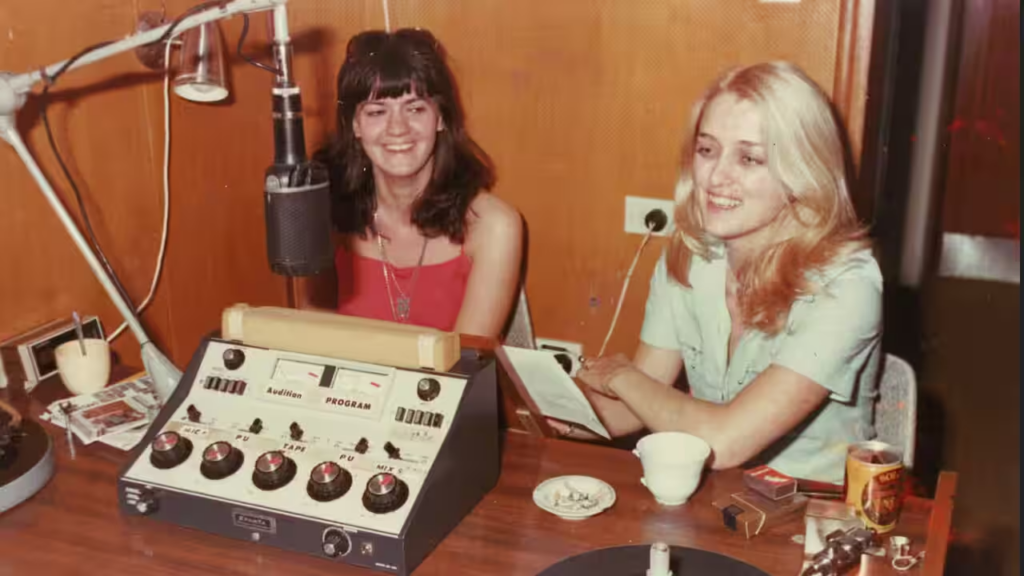
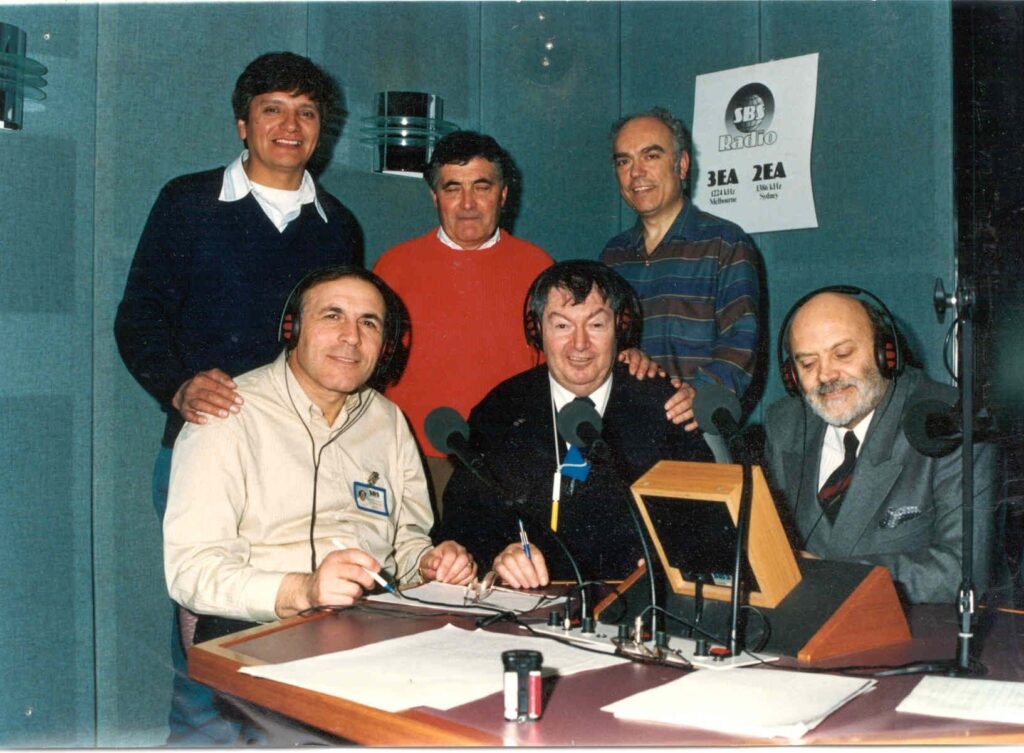
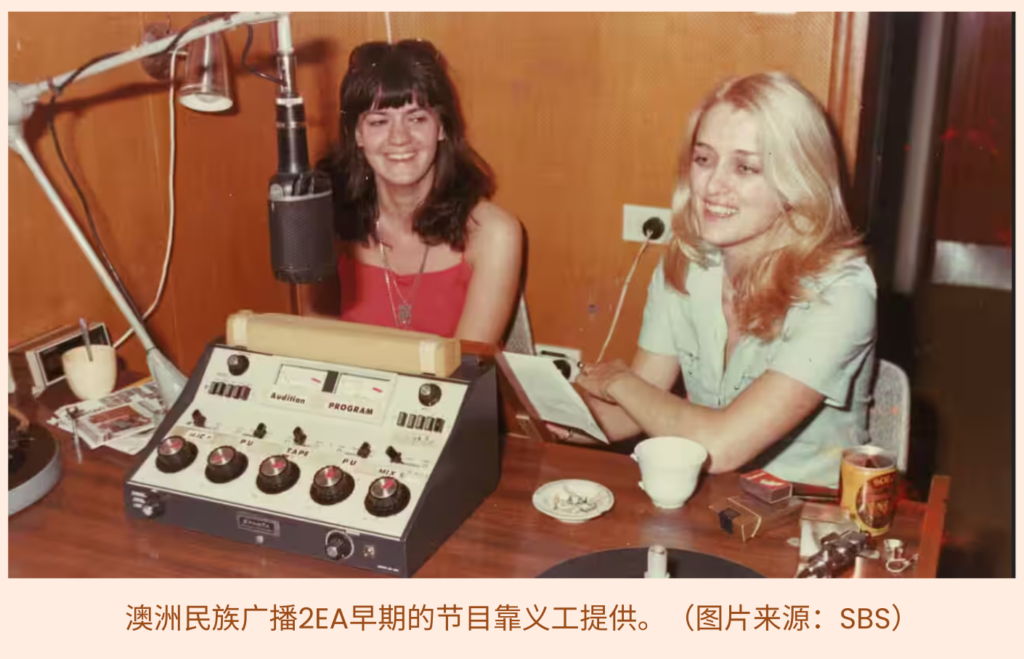
The Australian society embraces many volunteer organisations, such as volunteer fire services, boy scouts, and the then radio 2EA (later became Special Broadcasting Services SBS) which Henry had contacts. These organisations relied on enthusiastic volunteers to carry out respective community work.
Henry was volunteering. His elder brother, Peter Pan, was also active in voluntary work, helping radio 2EA to prepare Chinese news script.
At that time, Chinese newspaper was not available. People usually distributed pamphlets through shops in Chinatown. One channel of promotion was through the Chinese broadcast of radio 2EA. The Federal government provided the venue and facilities for the radio station to broadcast in various different community languages. All programs were run by volunteers then, from broadcasters to script writers. The volunteers came from all walks of life. Henry’s brother, Peter, was a volunteer news script writer.
Peter paid visit the newsroom of the radio station every week to collect the news in English sent by various different news agencies in the world. He made copies and translated the news into Chinese. He also wrote news article about information or news related to the local Chinese community and organisations and sent to the volunteer broadcasters.
With the assistance of Peter, Henry sent information on activities of the Society through broadcast to get people to participate and help with activities.
🤔What sort of work did the volunteers of our Society do at the time? Stay tuned for the next article!
by Kitty Leong | Jul 1, 2026 | CASS 的故事 - TW
1982年3月,“雪梨華人民眾暨兒童服務社” — 今天的華人服務社前身,成立一周年。當Henry同董事局成員、社員們碰頭開年會時,大家意識到一個嚴峻的問題:申請政府撥款看來是沒有希望了。
大家心情沉重,有人提出疑問:“既然沒有撥款,那就沒辦法提供托兒服務了。了解到一些面對相同情況的民族社區機構,已決定解散;要不要解散服務社?”
Henry提醒大家:“難道一定要有政府撥款,我們才能提供服務嗎?不要忘記在眾多社區人士面前,我們曾許下諾言:成立服務社要服務社區。所以設立社的初衷,就是要為社區服務。‘君子一言,駟馬難追。 ’”這不僅是當時面臨的情況,即便是今天,宗旨和挑戰仍然一樣。
大家回顧過去一年走過的路:一起做傳單、複印、派發傳單、組織活動,拜會社團領袖爭取支持等。儘管沒有政府撥款,仍舊可做一些事情,具體服務不一定需要很全面。這下大家茅塞頓開,不想輕易放棄。
於是董事局決定:“成立服務社的初心,就是要為社區提供有需要的服務。既然有初心,就算沒有政府的撥款資助,向社區提供服務的立社宗旨,還是要設法實現。”這成為服務社至今不變的信念。
四十多年來,華人服務社始終堅持初心:沒有撥款,也要想辦法服務社區;如果社區有需要,哪怕靠自己有限的力量,也要設法提供服務。正是這種信念,讓服務社在眾多機構中獨樹一幟。
用什麼辦法提供服務呢?需組織熱情而有奉獻精神的義工來做。
澳洲社會有很多義工組織,比如志願消防站、童軍組織等,還有當時Henry接觸到的2EA電台(澳洲民族廣播SBS的前身),都依賴義工們滿腔熱忱撐起社區工作。
Henry自己做義工,他的哥哥潘南強也熱衷社區事務,在2EA電台做義工寫中文新聞稿。
那時候還沒有中文報紙,一般在唐人街商店外派單張,信息傳播渠道之一是 2EA電台的華語廣播。由政府提供設備與場地,電台以多種語言為民族社區廣播,節目全靠義工運作,廣播員、撰稿人來自各行各業,Henry哥哥就是一名義工撰稿人。
哥哥每周去一次電台的新聞收發室,採集各國通訊社傳真來的新聞,複印后翻譯成新聞稿。他也寫一些華人社區、社團的消息,交給義工播報。
藉著哥哥的幫助,Henry將社的活動消息,傳到廣播中,爭取更多人參與活動和工作。
🤔服務社最早的義工做什麼呢?我們下期分享。
by Kitty Leong | Jul 1, 2026 | CASS Story - EN
The Sydney Chinese Child Care and Community Co-operative Society (later became CASS) was formally established on 8 March 1981 at the Surry Hills Neighbourhood Centre. 9 members were elected to form the Board of Directors, with Henry as the Chairperson.
It was already 3 months since the submission of the funding application to the Federal and State Governments, and nothing was heard from the authorities. Henry did phone the authorities to enquire about the progress of the submission, and the reply was, “The submission was well written. It is still under consideration.”
Everyone was very anxious. Henry further contacted the organisation that had helped with the submission earlier, the Ethnic Child Care Development Unit, to try to find out more about why there was a lack of feedback from the authorities.
In early 1980s, the domestic economy of Australia was in poor conditions, and the Federal Government was reducing expenditure on welfare. Meanwhile, due to the short history of the Society, the Government lacked confidence in the group’s management ability to administer funding.
It was thus necessary for the Society to prove to the Government that it had influence in the Chinese community to gain the trust of the authorities. Henry and Board Members took action to organise events to assist the Project.
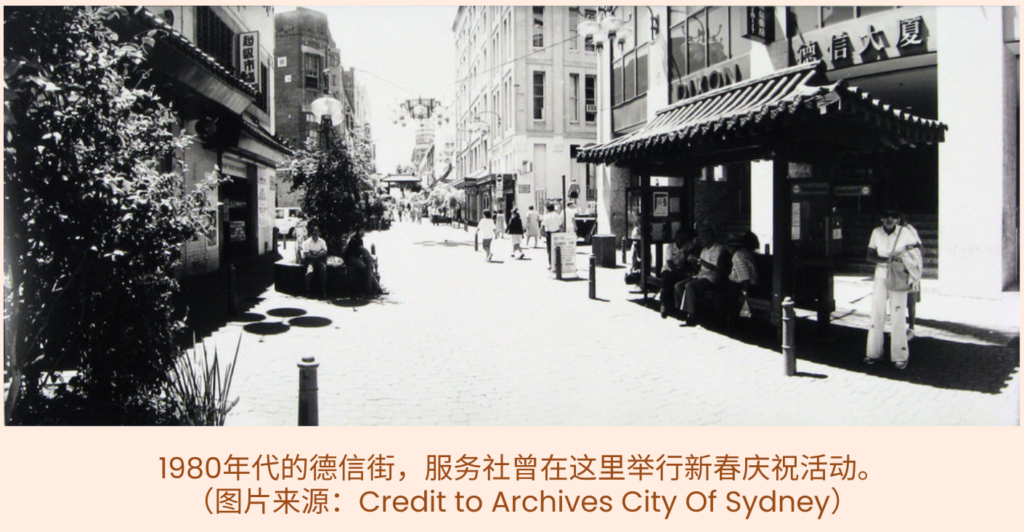
Many Board Members had experience organising activities during their university days. They decided to organise celebrations during traditional festivals. On the one hand, they could prove to the Government that the Society had the ability to organise activities. On the other hand, they could collect fees to raise revenue for the running costs of the Society.
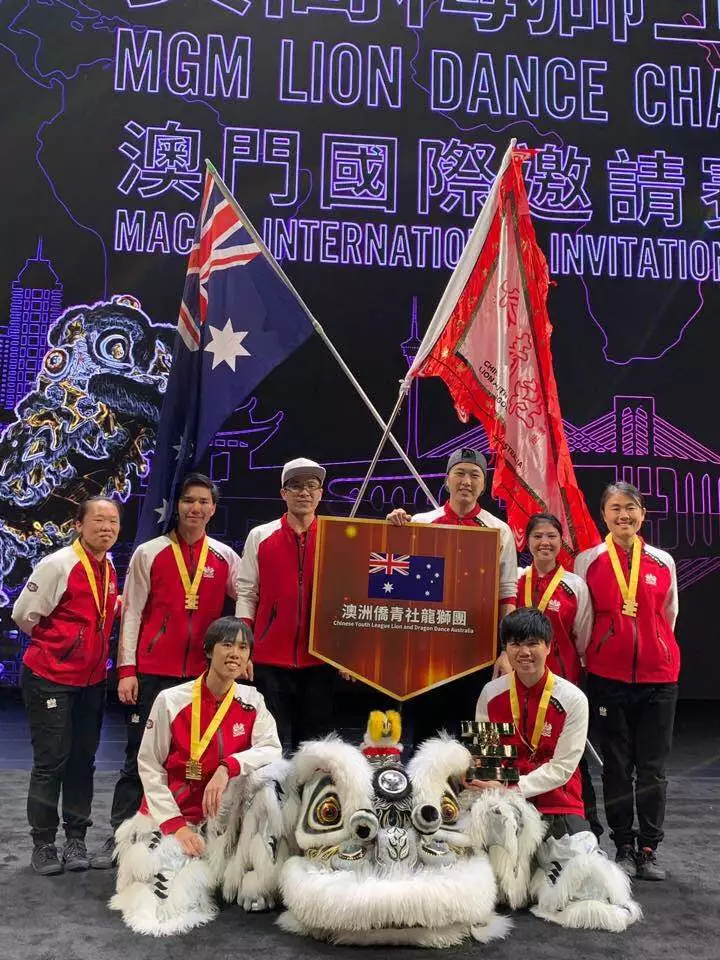
Enthusiastic Board Members and volunteers worked together to plan the activities. There were no Chinese newspapers at the time. The main channel for promotion was distribution of flyers or through words of mouth. The Chinese Youth League of Australia (CYL) provided a much needed helping hand at the time, helping with typing and printing the flyers.
Some Board Members and volunteers prepared food at home and brought them to the venue. Some volunteers planned and performed the singing and dancing acts. The Lunar New Year celebration was full of excitement with over 200 people attending the event. It also raised around $200 to $300, and the result was encouraging.
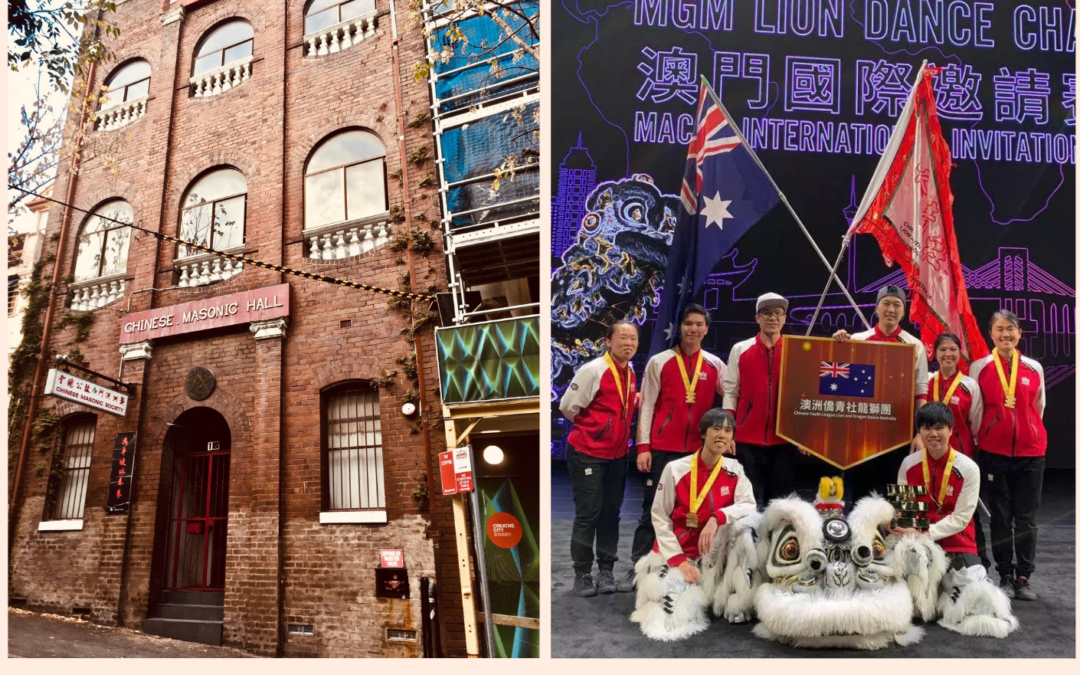
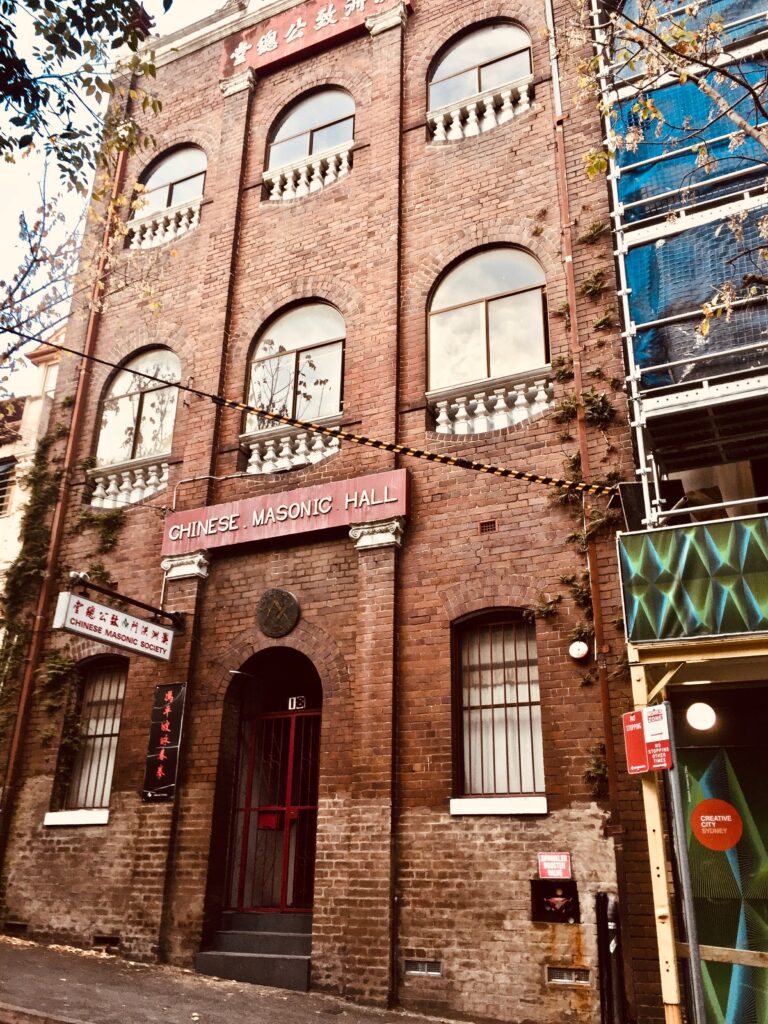
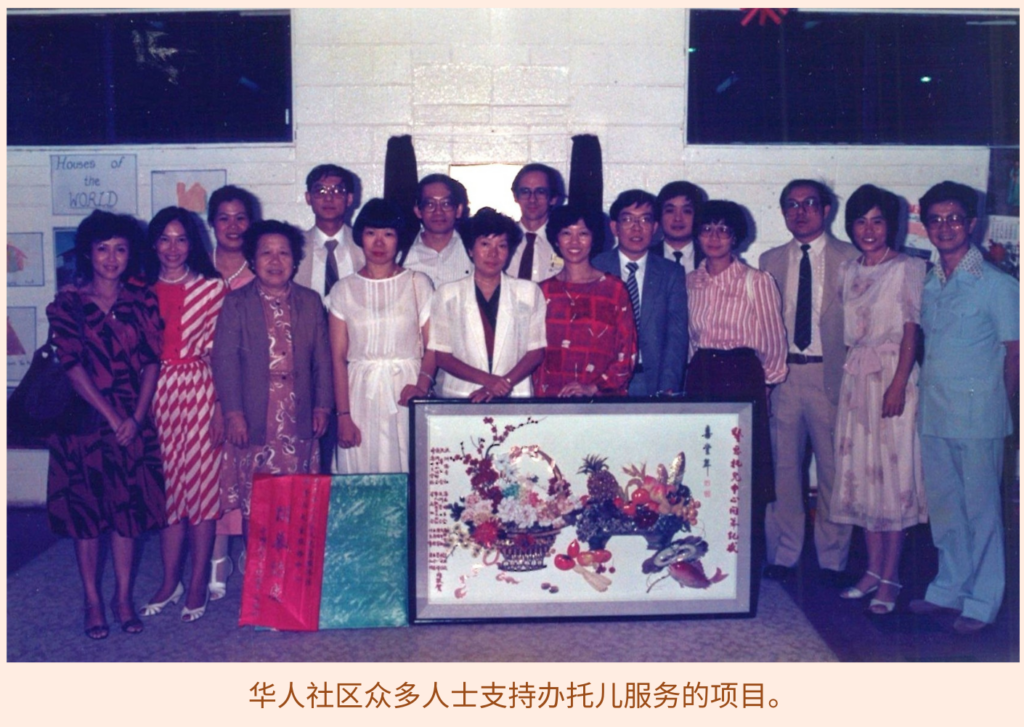
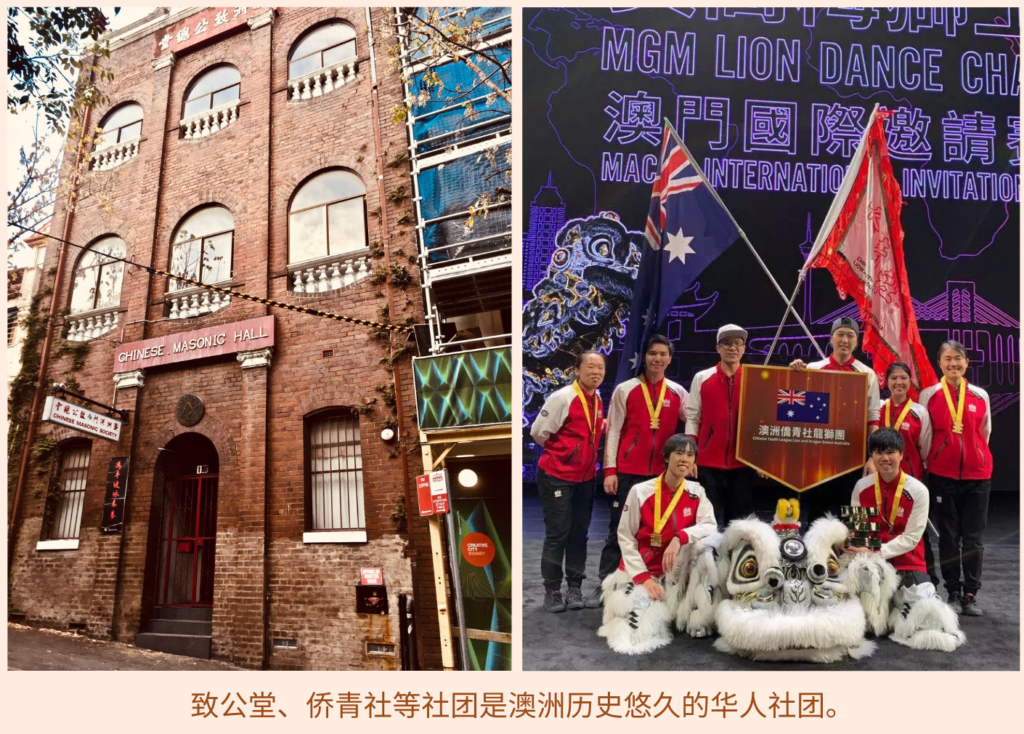
At the same time, Henry also took on an important task. He paid visits to leaders of various Chinese organisations, seeking their consent to sign a Support Letter. Through friends of some Board Members, they managed to contact a number of leaders of established Chinese organisations, including Hainanese Association of NSW Inc., Chung San Society of Australia, the Chinese Masonic Society and the Chinese Youth League of Australia. Henry and Board Members met those leaders and put forward the intentions of the Society. Most leaders were very supportive of the establishment of a child care service, however, there were a few organisations not rendering support.
By March 1982, A year had passed and there was no news on government funding. The situation was not optimistic. At the Board meeting, members were faced with a serious question: there seemed no hope for getting government funding!
Should the Society be disbanded? Or should they continue to pursue their original goal? What is the path ahead? Stay tune for the next article.
by Kitty Leong | Jul 1, 2026 | CASS 的故事 - TW
1981年3月8日,在借來的場地莎莉山鄰里中心,籌委會正式成立了“雪梨華人民眾暨兒童服務社”——今天的華人服務社前身,選出了9位董事局成員,Henry當選為主席。
此時距離他們向聯邦和州政府遞交撥款申請,已過去了三個多月,沒有任何音訊。早些時候,Henry曾打電話去詢問進度,得到的答覆只是:“申請書寫得很好,還在處理中。”
大家都很着急,於是Henry聯繫了當初協助他們進行申請的機構Ethnic Child Care Development Unit,希望能獲得一些信息,了解沒有下文可能的原因。
在1980年代初,澳洲經濟增長放緩,政府對撥款審批變得保守。而服務社剛成立,毫無業績經驗,對一個這樣全新的小機構,政府是沒有信心其有能力運營托兒中心、管理資助款項的。
因此有必要向有關方面證明,服務社在華人社區有影響力,以贏得政府的信任。於是,Henry和董事局夥伴們,積極籌劃着做一些事情,希望可以推動項目。
董事局成員們,在讀書期間都參與或組織過不少活動,大家一致同意舉行節日慶祝會,既可以有記錄證明機構有組織活動的能力,也能有門票收入,為新成立一窮二白的服務社,籌措一些運營資金。
一些熱心的義工們和董事局成員們,分工策劃活動。當年還沒有中文報紙,辦活動前,需要做傳單去推廣,因為告之各界人士的方式主要是發傳單,或聯絡親朋好友。當時僑青社提供了很多便利,幫忙打字,用油印機複印傳單等。
一些董事和義工們,分別在家裡準備了可口的食物,帶到借來的場地;有些義工們自編自演歌舞節目,就把新春慶祝活動熱熱鬧鬧地辦起來了,來了兩百多人,籌到兩三百元,是很鼓舞士氣的!
與此同時,Henry進行着一項關鍵任務,就是去拜會華人社區里社團的領袖們,希望他們會同意幫忙出支持信(Support Letter)。通過董事局成員們的朋友圈,聯絡到了好些社團的領袖,如海南同鄉會、致公堂、中山同鄉會、僑青社等歷史悠久的老僑團。當時Henry同董事局成員們親自登門拜訪,講明意圖,老華僑們一般都非常支持辦托兒服務的事情。當然其中也有一兩個社團,並沒有幫忙寫支持信。
1982年3月,轉眼一年多過去了,撥款申請還是沒有動靜,情況並不樂觀。在召開的董事局會議上,大家不得不面臨一個嚴峻的問題:政府撥款應該是沒有希望了。
要解散服務社嗎?還是不忘初衷?該何去何從?我們下期分享。
by Kitty Leong | Jul 1, 2026 | CASS Story - EN
Many hands make light work. In March 1980, Henry invited several like-minded friends to join the Preparation Committee of the proposed project. Together they shared ideas on how to get government funding to establish a culturally appropriate child care centre for the Chinese community.
The Project received wide support from many people in the community, and many joined as volunteers. The Preparation Committee and the volunteers carried out 2 separate and different surveys in Surry Hills where there was a high concentration of Chinese residents and low paid female workers. After these initial surveys were completed, the Committee felt there was a need to have data showing the Project was widely supported by the Chinese community. They thus carried out the third survey.
There was neither internet nor Chinese newspapers at that time. It was not an easy task collecting data from Chinese migrants living in different suburbs in Sydney. After intensive discussion, it was decided to conduct telephone interviews of randomly chosen people as most Chinese families had telephones.
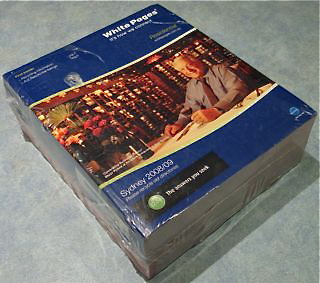
Henry went through the “White Pages”, a phone book which was distributed to every household, and gathered the phone numbers of listed people with common Chinese surnames. He found about 5000 numbers.
He then listed the phone numbers according to the alphabetical order of the surnames. He used a computer program to generate numbers randomly for the selection of 150 phone numbers. He gave 15 phone numbers each to 10 Committee members and volunteers, who had to interview the families through the phone, asking them 6 to 7 questions to collect their views and suggestions.
After the collection of data, analysis of the data was carried out by Henry and the results were incorporated in the submission being prepared. While the Preparation Committee was pondering who was the best person to write the submission, henry met an English-speaking friend from his university days at UNSW, Vivienne Teoh. She was doing her PhD study and was conversant with writing thesis, as such, she would be the best person to write the submission. When Henry approached her for help, she agreed without second thoughts.
Vivienne worked on the submission from August to November 1980. Henry gave a lot of suggestions and ideas. After to and thro discussions, the report was done and submitted to both the Federal and the State Governments on 1 December 1980, requesting for funding to set up a child care centre.
Another huge task faced by the Preparation Committee was: to manage government funding, a legally incorporated organisation must be formed to handle the matter.
From December to March the following year, the Preparation Committee was busy working on setting up an organisation. The Associations Incorporation Act was not in existent in Australia at the time. To become a legally registered organisation, the choice was either registering as a company or a cooperative society. The Preparation Committee chose to establish a cooperative society and the organisation name was ‘Sydney Chinese Child Care and Community Co-operative Society’. With the decision, committee members worked on recruiting members for the proposed organisation.
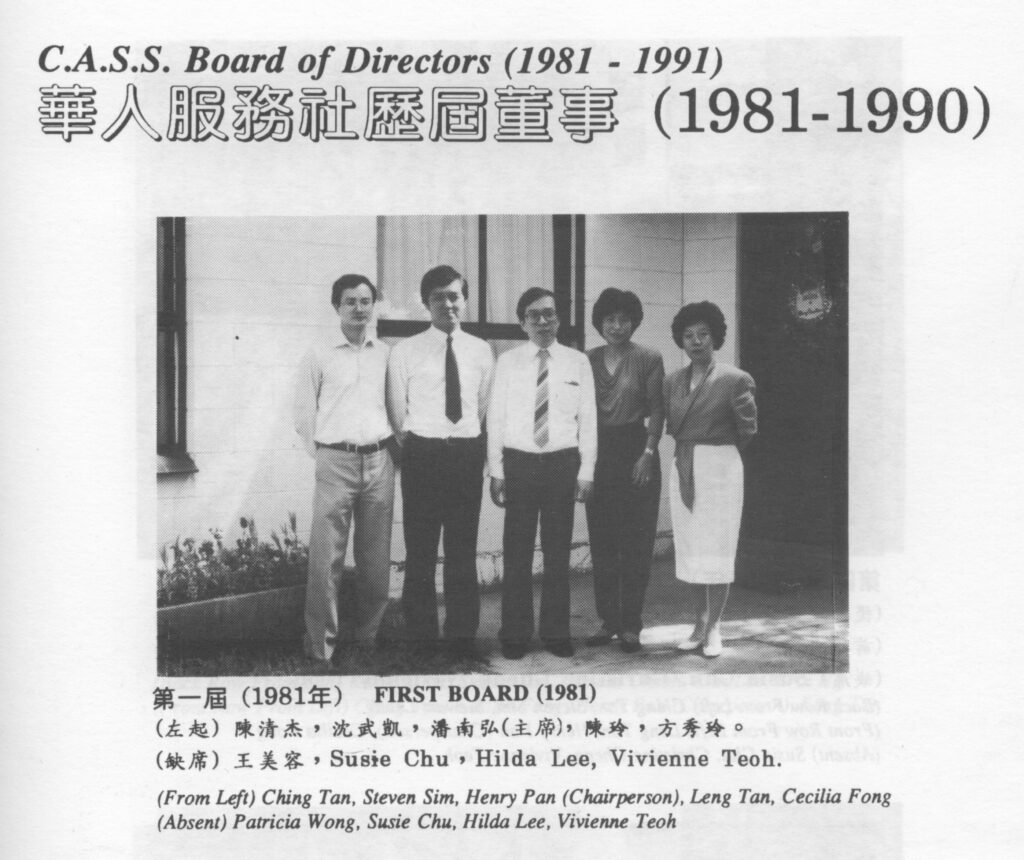
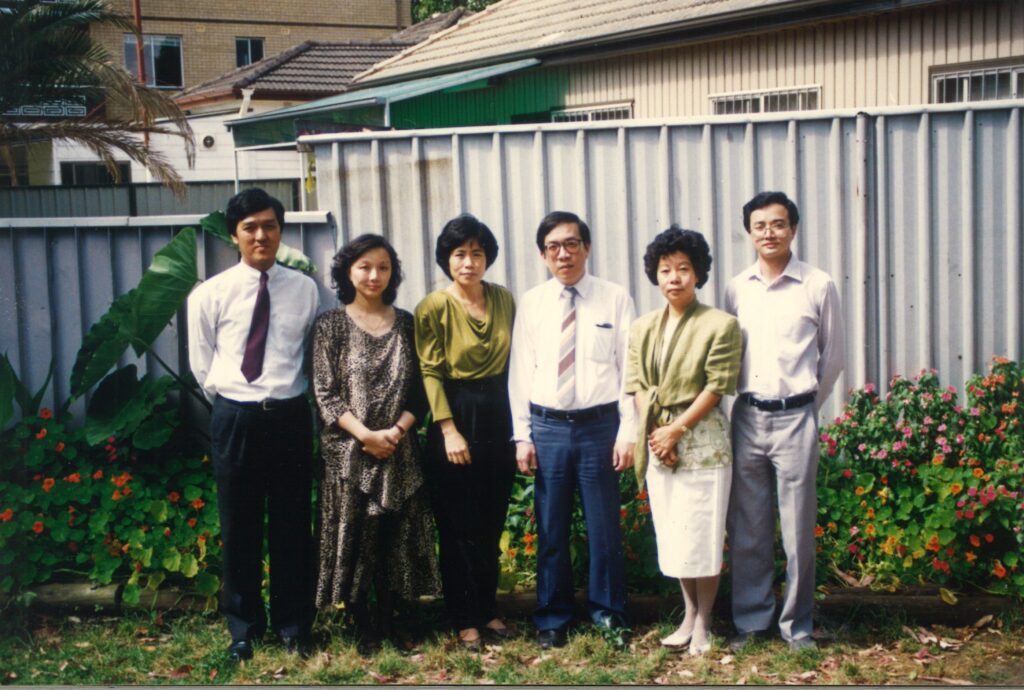
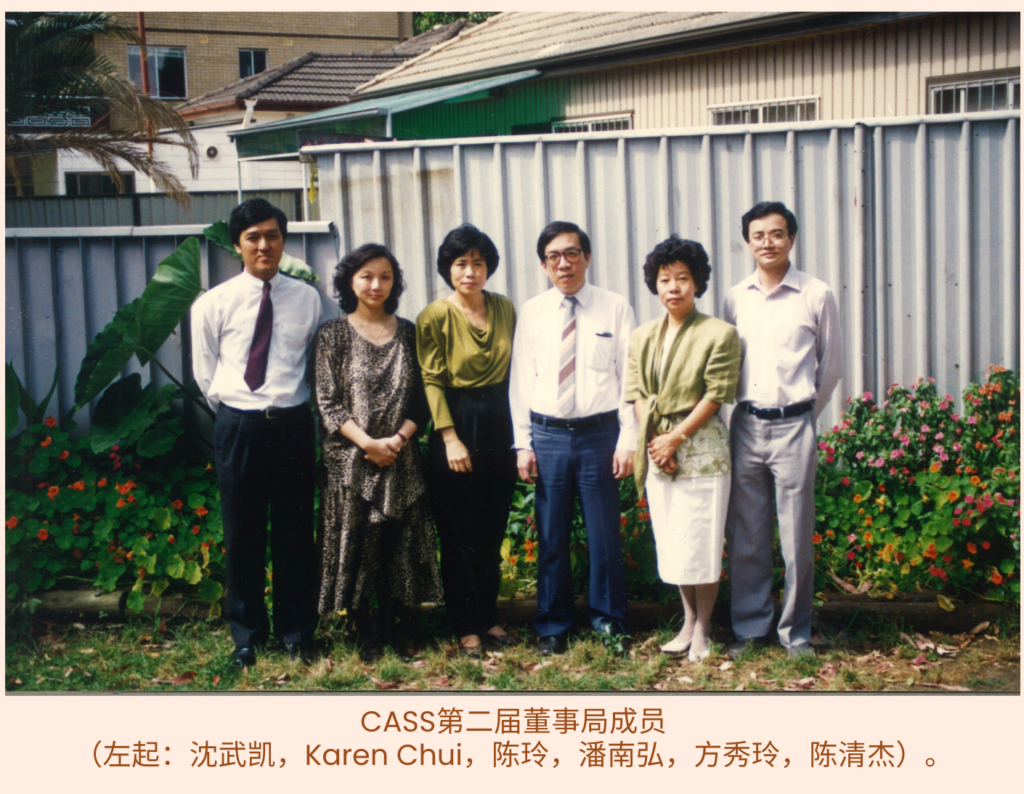
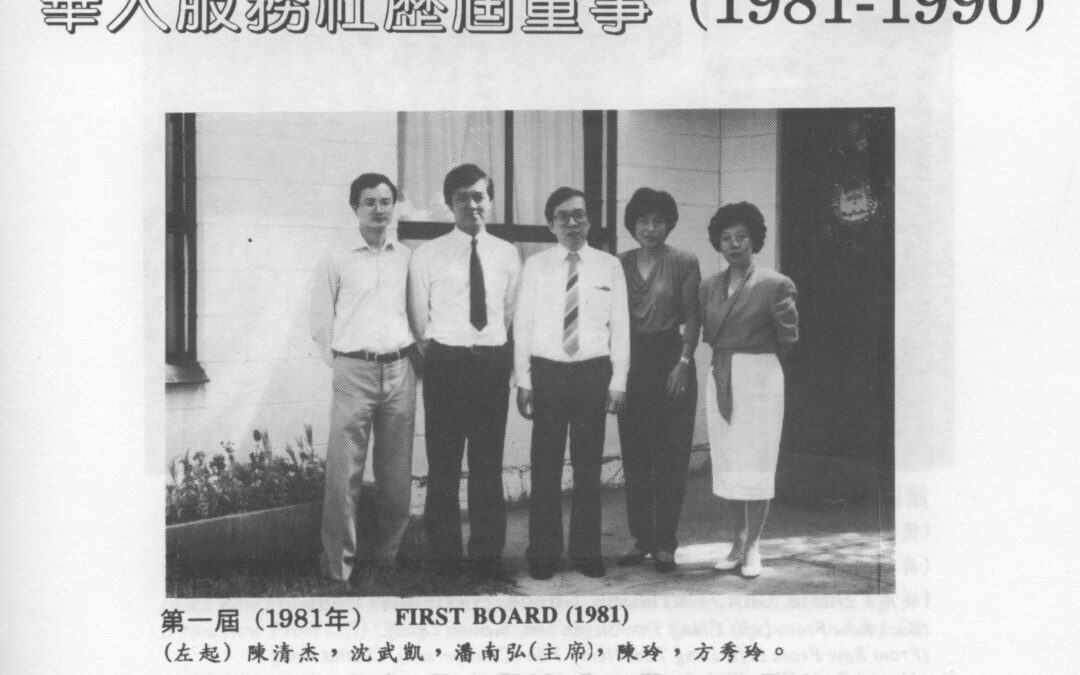
Sydney Chinese Child Care and Community Co-operative Society was formally established on 8 March 1981. The Formation Meeting was held at the Surry Hills Neighbourhood Centre in which approximately 70 people attended. Members of the First Board were elected, and they included: Mr Henry Pan, Mr Ching Tan, Dr Leng Tan, Dr Cecilia Fong, Ms Patricia Wong, Dr Vivienne Teoh, Mrs Susie Chu, Mrs Hilda Lee and Mr Steven Sim. Henry was elected as the Chairman, with Ching Tan as the Secretary.
Was the funding application successful? Stay tuned for the next article!