by Kitty Leong | Jul 1, 2026 | CASS Story - EN
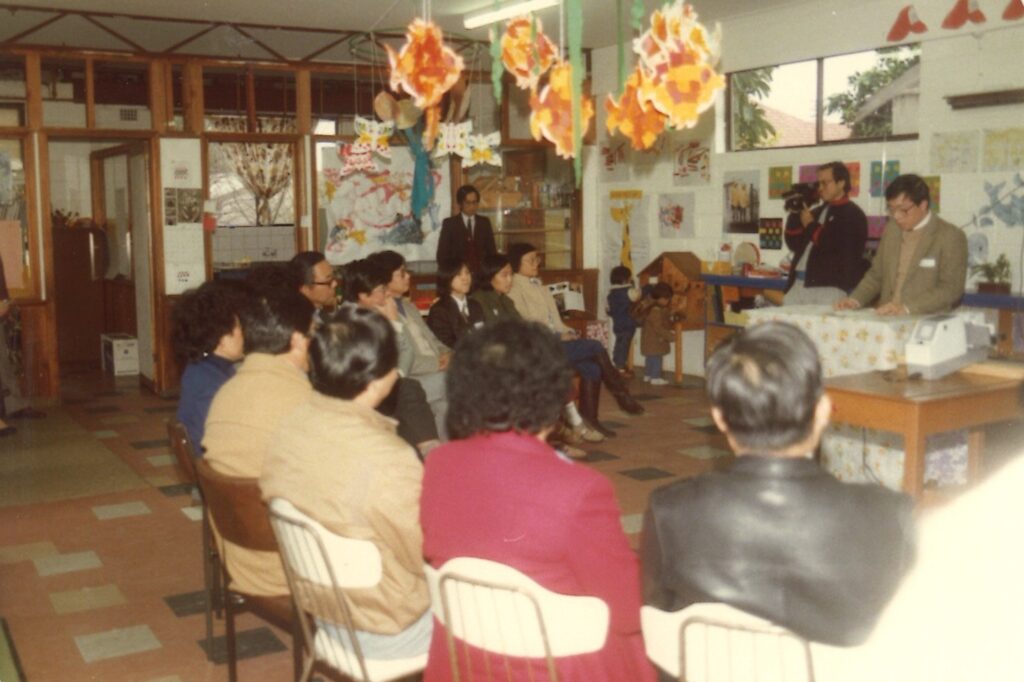
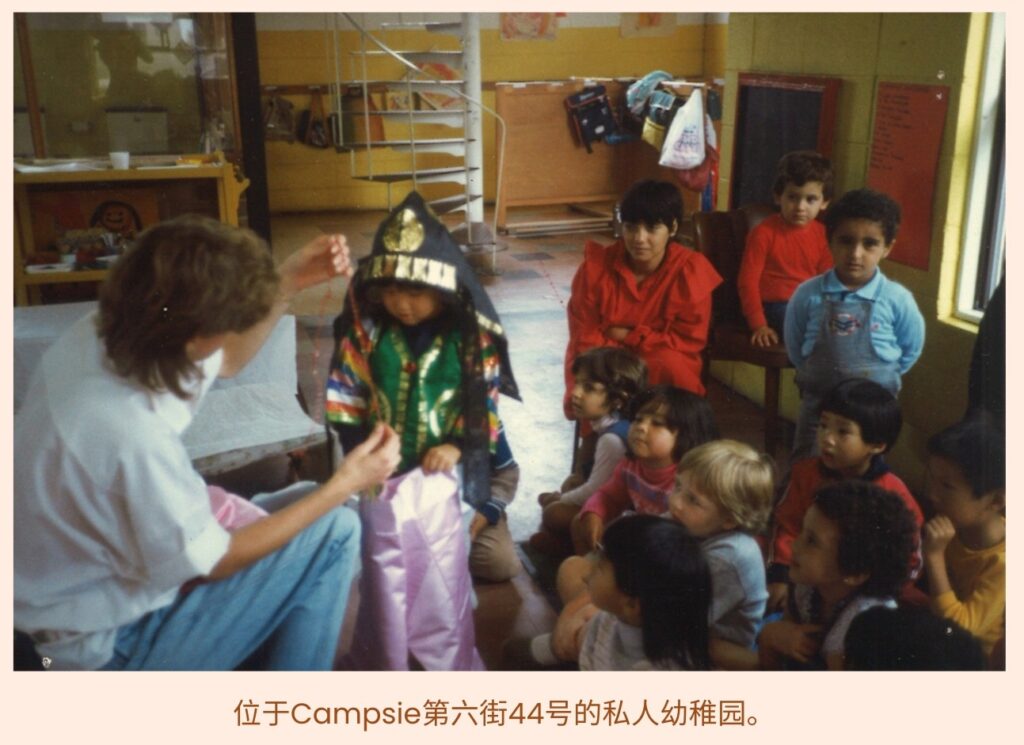
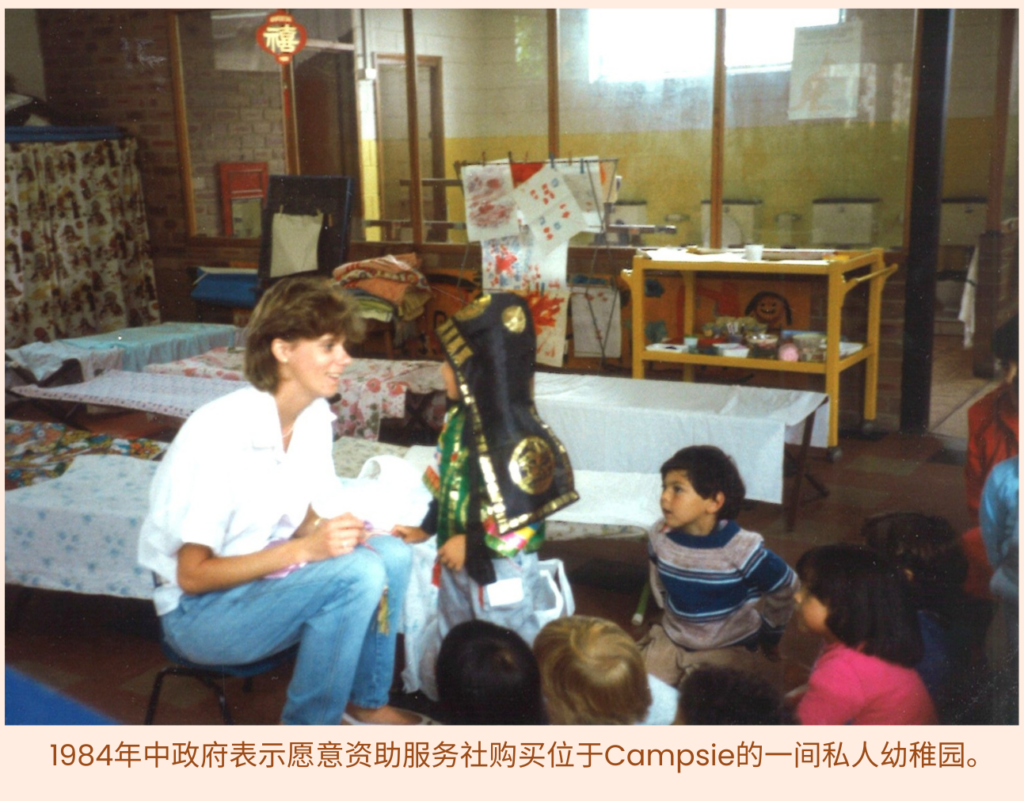
In early 1984, our Society received a piece of good news, “A private kindergarten in Campsie was for sale. The Government was worried that developers might buy the property leading to a loss of child care places, and so the Government was willing to provide funding for the Society to buy the place.”
The Board of our Society was ambivalent after receiving the news. The original plan of our Society was to operate a child care centre in Sydney Chinatown area, not in Campsie. However, after considering that it would be a good opportunity to learn how to operate a child care centre and accumulate experience, the Board resolved to accept the challenge.
Facilitated by the Federal Department, the Society met with the owner of “Campsie Kindergarten’ in early September 1984 to negotiate about the purchase of the place.
The private kindergarten was located at 44 Sixth Avenue, Campsie. Both sides quickly agreed on the purchase price of Aus$250,000.
During the negotiations, it was discovered that the vendor also owned the property next door at 48 Sixth Avenue. It was a dilapidated warehouse and priced at A$40,000. The vendor would only sell the kindergarten if the Society would buy together with the warehouse.
There was a serious problem: the Government would only provide the Society with funding to purchase the kindergarten and would not provide funding for any property unrelated to the child care service.
This posed a headache for the Society: If the Society did not have A$40,000 to purchase the No. 48 property, the Government’s funding of A$250,000 would be lost. Where could our Society find A$40,000?
Our Society did not have any financial resources at that time. Neither did it run any projects or service that would generate income. When our Society approached banks or financial institutions for loans, all applications were knocked back. The responses were the same: How could you manage to repay the loans?
The Board deliberated the issue many times and finally came up with a solution in early November 1984. It was suggested settling the purchase of the No. 44 kindergarten property first and requested the vendor to give our Society one year’s time to settle the property at No. 48 giving our Society time to organize fundraising activities. Some members agreed to put up their personal property as financial guarantees. The vendor accepted the plan.
Funding was received from the Federal Government, and the purchase of the kindergarten property was settled at the end of 1984. An agreement was signed with the vendor to settle the property at No. 48 a year later. This agreement was made possible by the financial guarantee provided by Dr. Leng Tan, Dr. Tony Goh, Dr. Cecilia Fong and Mr. Henry Pan using their personal properties.
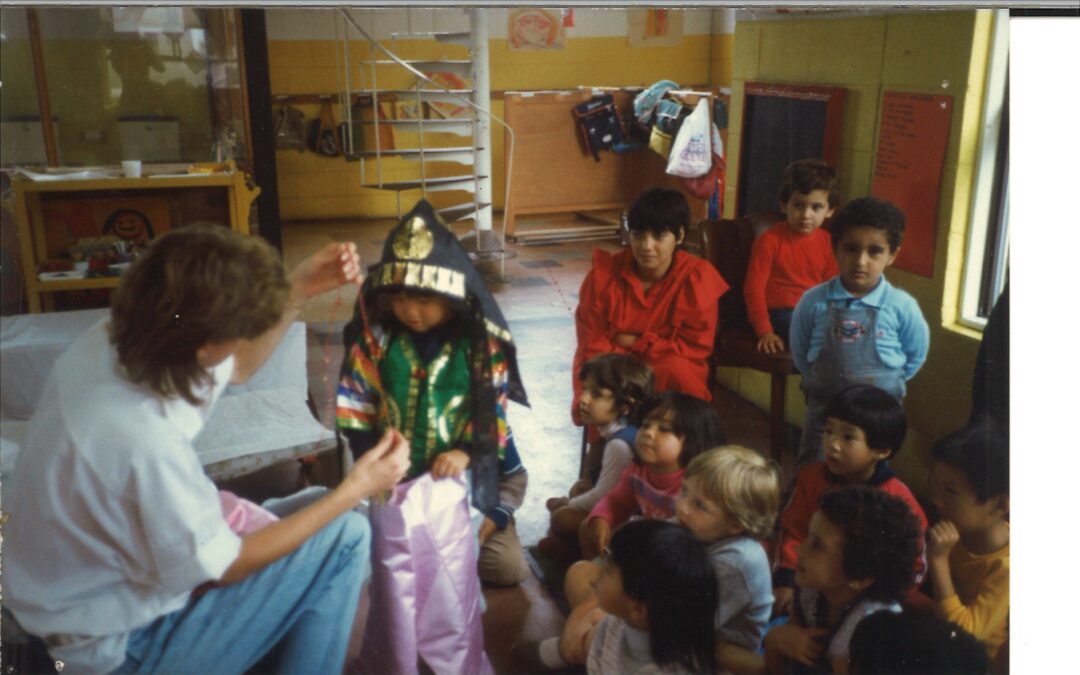
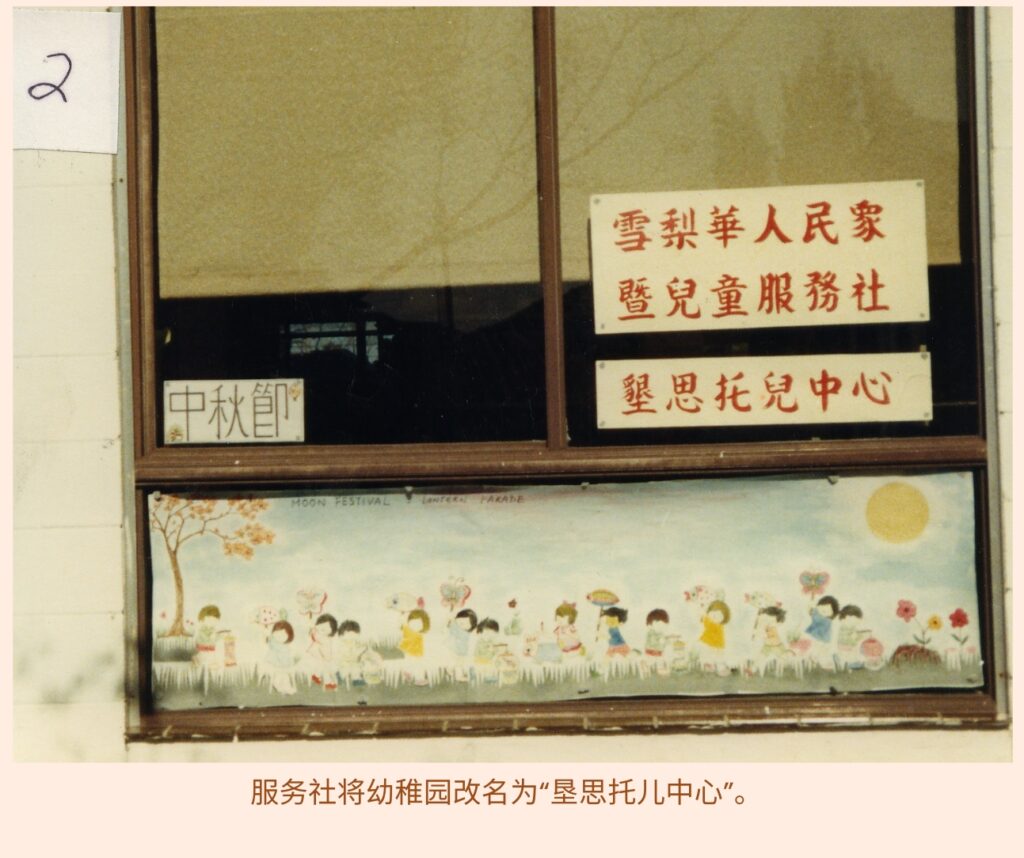
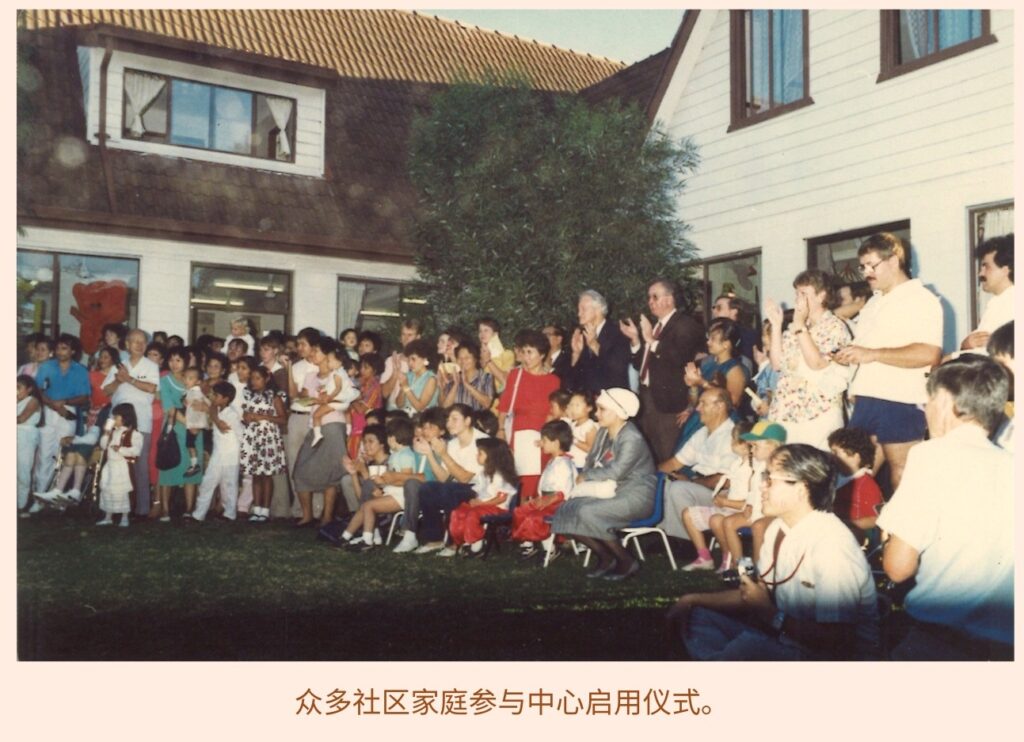
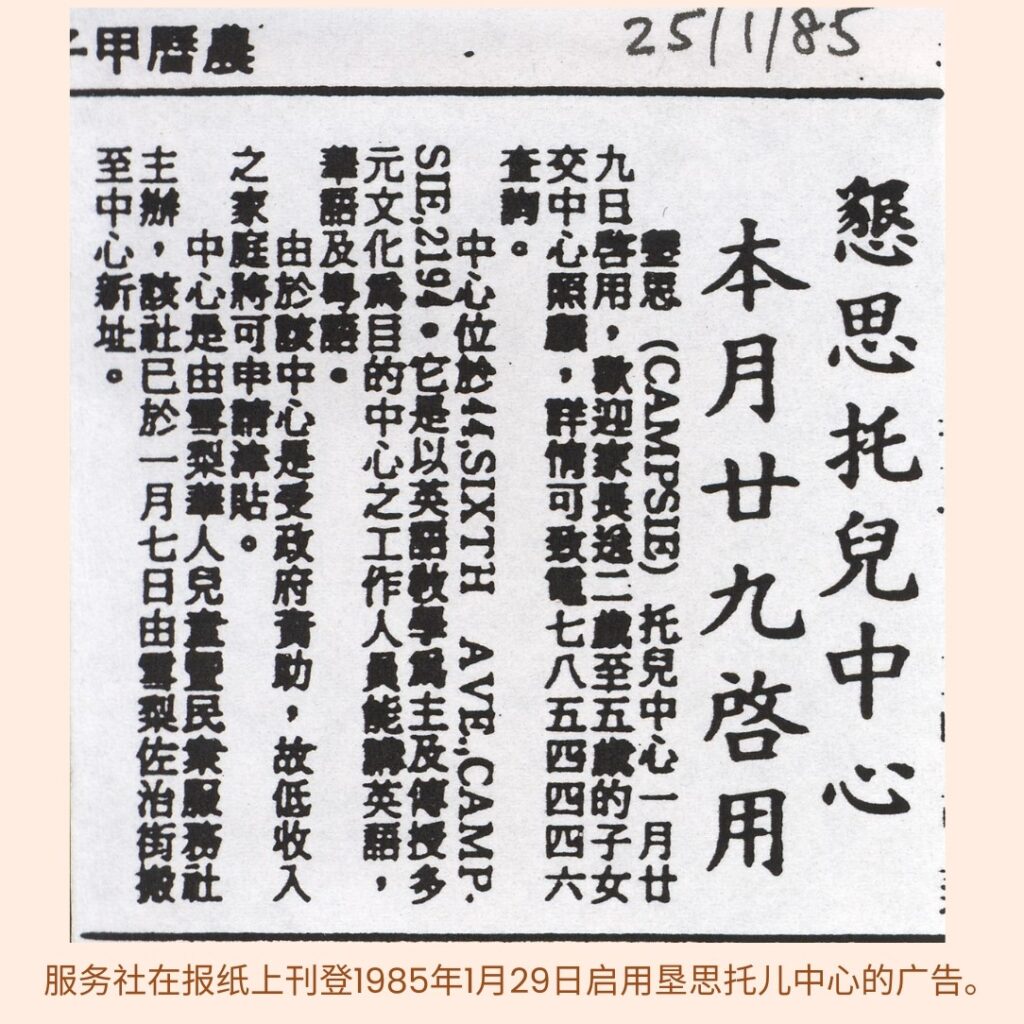
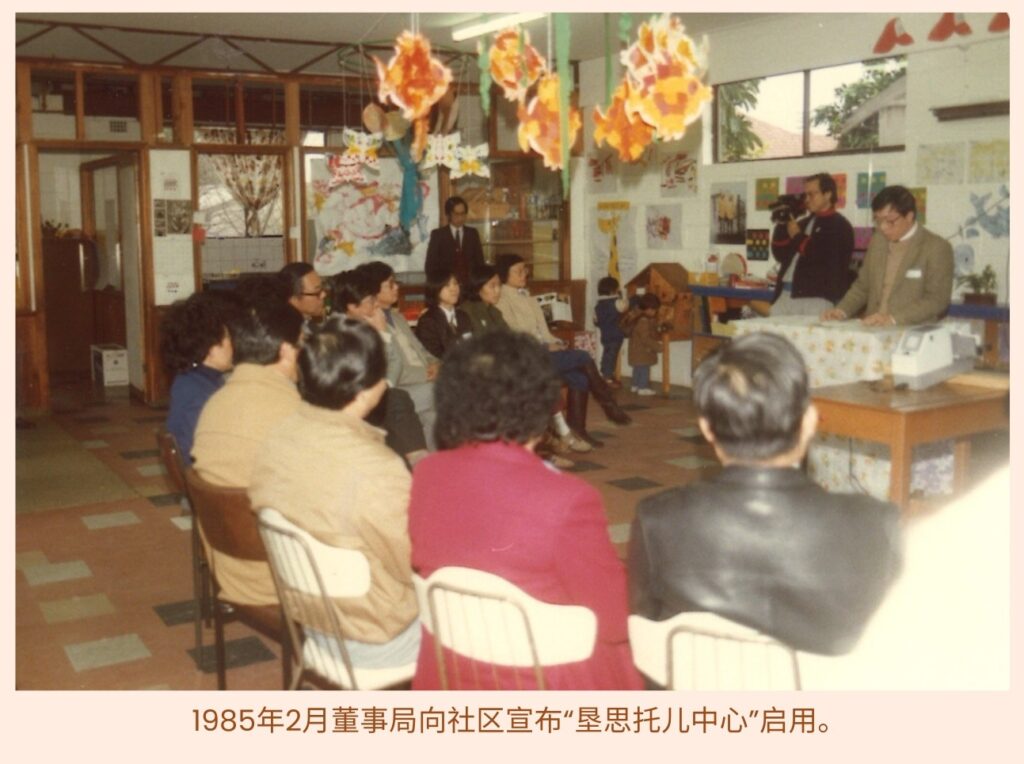
Everyone was happy and celebrated the purchase of the kindergarten which was renamed as Campsie Child Care Centre. Work also commenced to recruit staff members.
No one expected it to be a hot potato!
Relevant government departments began to come knocking on the door and said that the kindergarten did not meet regulations and rectification works were needed before it could operate. After contacting the trades people, the works were estimated to cost at least Aus$30,000.
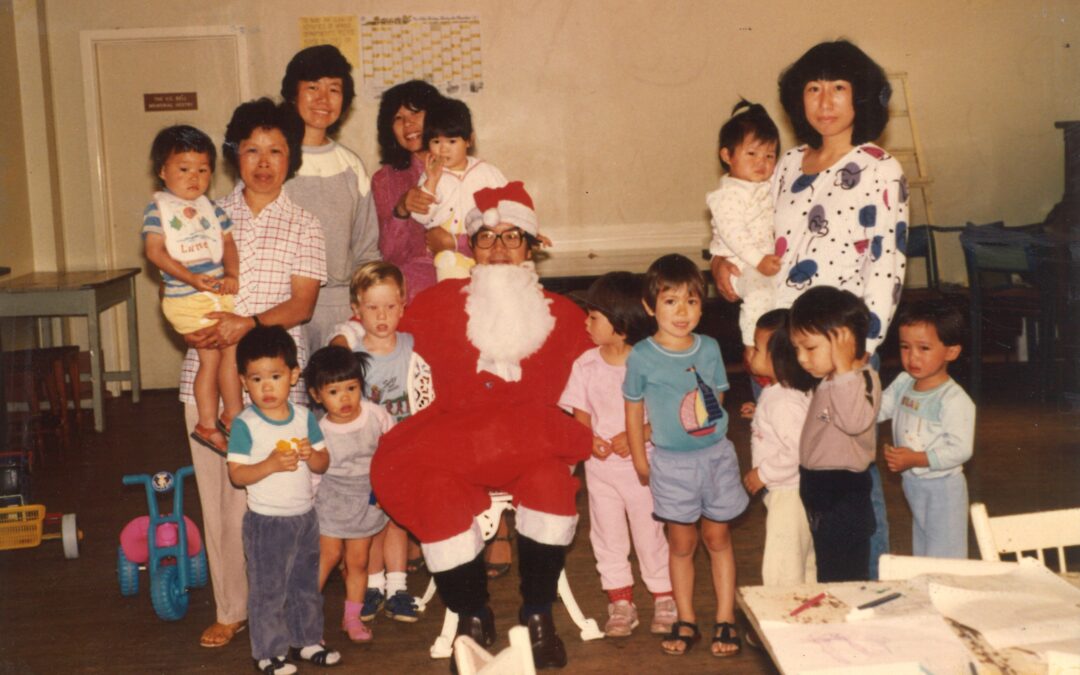
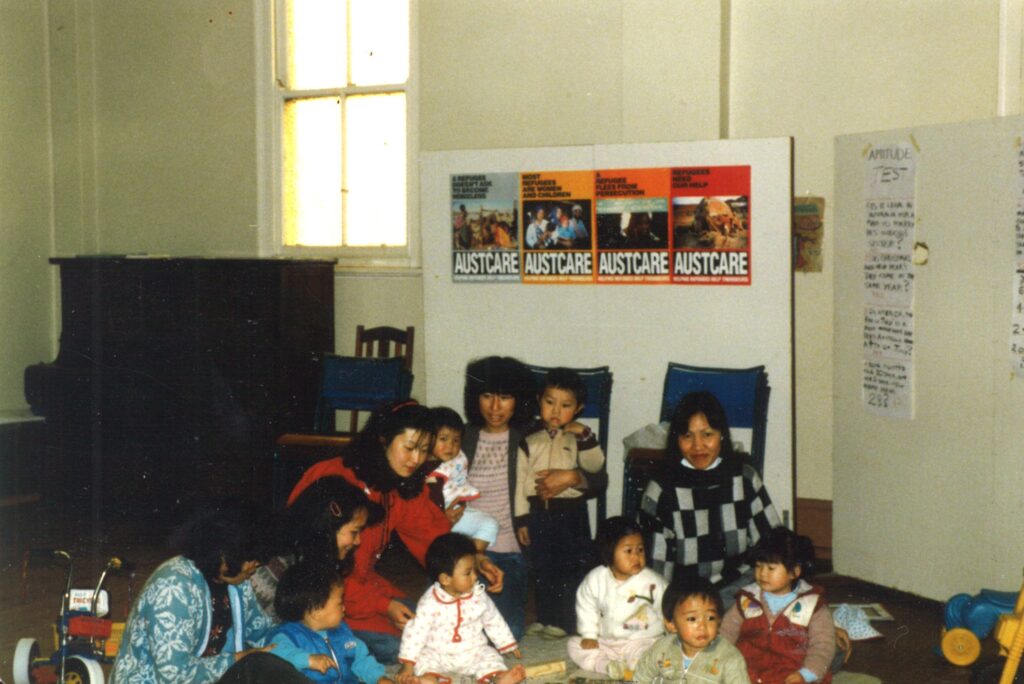
When parents heard that the Child Care Centre was owned by Chinese, many withdrew their children from the Centre. Only half of the originally enrolled children stayed.
🤔Revenue was drastically reduced while there was extra cost for the renovation works. How would the inexperienced Society handle the situation? Stay tuned for the next episode!
by Kitty Leong | Jul 1, 2026 | CASS 的故事 - TW
1984年8月初,服務社收到一個意想不到的消息:“在墾思(Campsie)有一間私人幼稚園正要出售,政府擔心發展商會購買而導致失掉托兒服務,因此願意資助服務社購買。”
接到這個消息,董事局成員們感到既興奮又為難:當初的設想是要在唐人街開辦托兒中心,若在墾思落腳,是與初心偏離。但考慮到這是個學習運營托兒中心、累集經驗的機會,實在不容錯過。最終,董事局作出決定接受這個機會。
在聯邦政府部門的穿針引線下,9月初,服務社與名為“墾思幼稚園” (Campsie Kindergarten)的私人業主見面,洽談購買事務。
這家私人幼稚園位於墾思第六街44號,雙方很快談妥價格為25萬澳元。
但在談的過程中才了解:業主還有一個與幼稚園毗鄰的48號物業,是間破舊的倉庫,價值4萬澳元,業主要服務社同時購置此物業,否則他不願意出售幼稚園。
問題是:政府明確表示,願撥款資助購買幼稚園,不會撥款去購買任何與幼稚園無關的物業。
這就出現了一個難題,如果服務社沒有4萬澳元,以購買48號物業,就會失掉政府25萬澳元的撥款。但4萬澳元從哪裡來呢?
當時,服務社沒有任何資金,也沒有經營任何有收入的項目,所以去銀行或金融公司問貸款,沒有願意貸款的,回應是一致的:你們如何能還得起錢?
董事局經過反覆討論,到11月初,商討出一個方案:先完成44號幼稚園物業的交易;要求業主給予一年的時間,才完成購買48號物業的手續,以讓服務社有時間進行籌款活動,會有社成員以個人資產向私人業主作財務擔保,結果業主同意了這個方案。
最終,政府的撥款到位,於1984年底,幼稚園順利成交;對48號物業,則簽訂了協議書,一年後成交。這方面是得到陳玲醫生、吳昌茂醫生、方秀玲醫生和潘南弘先生四位熱心人士,用自己私人的資產來為48號物業的購置作擔保。
大家歡天喜地慶祝了幼稚園的成交,將其改名為墾思托兒中心(Campsie Child Care Centre),並展開招聘等籌備事宜。
但誰知是個“燙手山芋”的開始!
很快州政府有關部門上門說:幼稚園不符合運營標準,必須立即修繕,否則不能運營。而裝修詢價之後,發現要至少3萬多澳元。
當家長們知道是華人接手托兒中心后,紛紛退園,孩子數量銳減到只剩一半。
🤔生源驟減,加上額外的裝修費用,毫無經驗的服務社該如何撐下去呢?我們下篇分享。
by Kitty Leong | Jul 1, 2026 | CASS Story - EN
Since our Society commenced operating the ‘Family Day Care Development Service’, the Board of Directors realized the importance of having regular communication with relevant government departments, and it was necessary to attend monthly meetings with department officials. As Henry’s workplace was in Sydney downtown, he used his lunch hour every week to either meet with staff members or attend meetings with government officers. He was often seen munching his sandwiches while discussing business. Though it was quite rushed, the outcomes were fruitful.
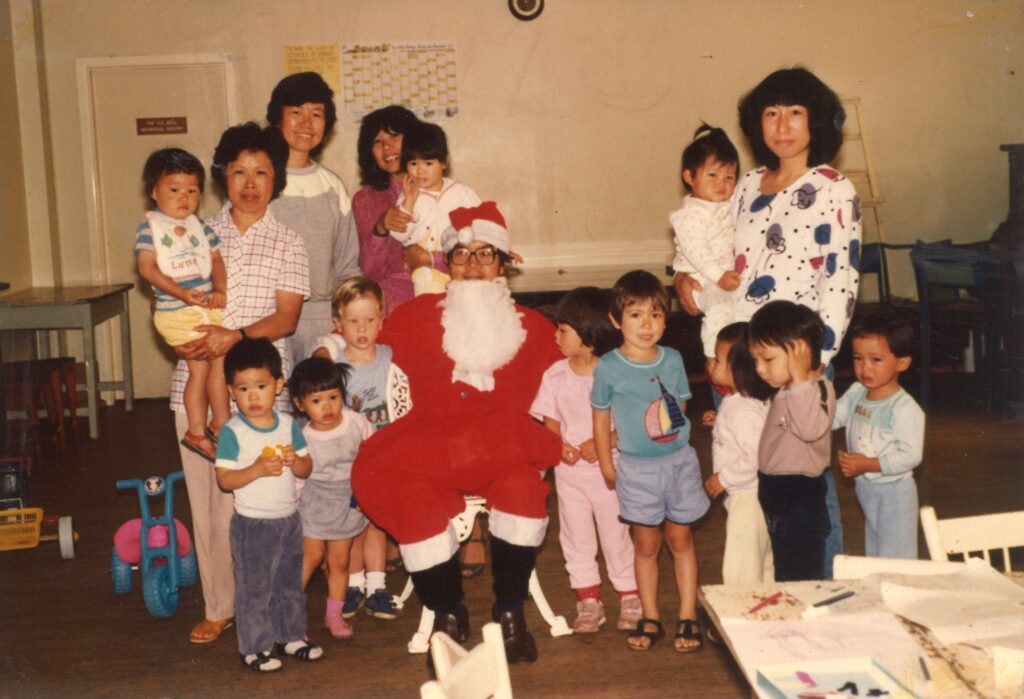
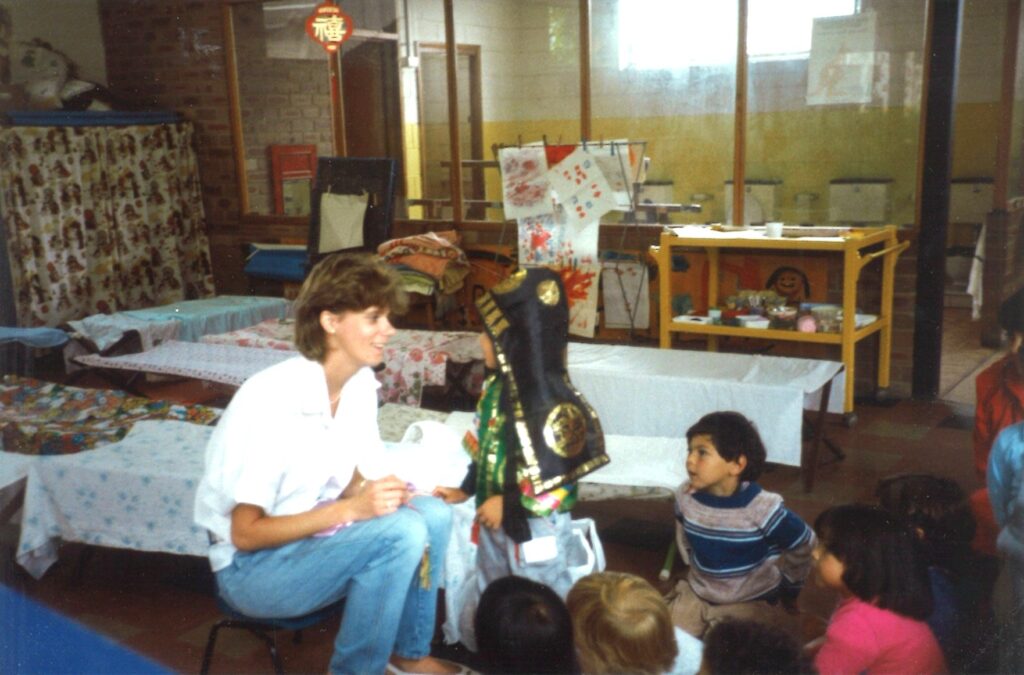
There was a growing need for child care service in the Chinese community. Many Chinese families were unable to join playgroup activities because of language barriers. In May 1983, our Society started the first Chinese playgroup in a borrowed venue in Ultimo. The weekly gathering provided meaningful activities for many Chinese families.
At that time, only 3 part-time workers were employed by our Society. Apart from developing FDC services in different areas, they had to run the playgroup. The part-time staff members were having a full-time workload.
The Board understood that it was difficult to maintain the operation in the long run with such limited resources. However, as the referral service was a three-year pilot project, funding would not be reviewed until the end of the pilot period.
In late 1983, our Society reflected the difficult situation sternly and strongly to the Federal Government and made a submission pleading for additional funding. Regular communications and the success of the FDCDS built up the confidence of the Government on the ability of our Society in managing projects and services. Government officials found the young executives of our Society not only having capabilities but were also very determined and passionate about providing services to the community.
The Government realized the long-term benefits of the FDCDS project. It would be a waste if the project was not having adequate resources leading to termination. Under very exceptional circumstances, the Government approved extra funding to enable our Society to employ two extra staff members for FDCDS before the review at the end of the pilot period of the project.
In June 1984 the Federal Government’s Office of Child Care contacted our Society to inquire whether we would be willing to establish and operate child care centres in areas outside Surry Hills. The Board deliberated the matter and resolved that location was not a key factor. It would be more important to begin the provision of services to the community as early as possible.
In early August, our Society received an unexpected piece of good news from the Government department, “A private kindergarten in Campsie is for sale and the Government is willing to fund the Society to purchase it.”
The owner of this fully enrolled kindergarten did not want to continue running the business. It was located in a residential area with unit zoning, and developers would want to acquire it to build units on the land. There was a high demand for child care places at the time, as Campsie was a relatively economically disadvantaged area and child care places were lacking. If the kindergarten closed down for unit development, more families would not be able to find child care.
To ensure the community had child care services, the Government decided to intervene. However, the government could not run the service. It needed to find a capable community organization to run the service.
🤔It was a ‘pie’ falling from the sky! How would the Society decide in face of the sudden opportunity? Find out in the next article.
by Kitty Leong | Jul 1, 2026 | CASS 的故事 - TW
自從服務社開展“家庭日托發展服務”轉介項目后,社董事局深知與政府部門保持溝通的重要性,必須積极參与每月的會面。因Henry在悉尼市中心上班,便每周都抽出兩個午休時間,與員工或政府部門官員開會。常常他是一邊啃三明治,一邊討論事務,雖然急匆匆,卻收穫頗豐。
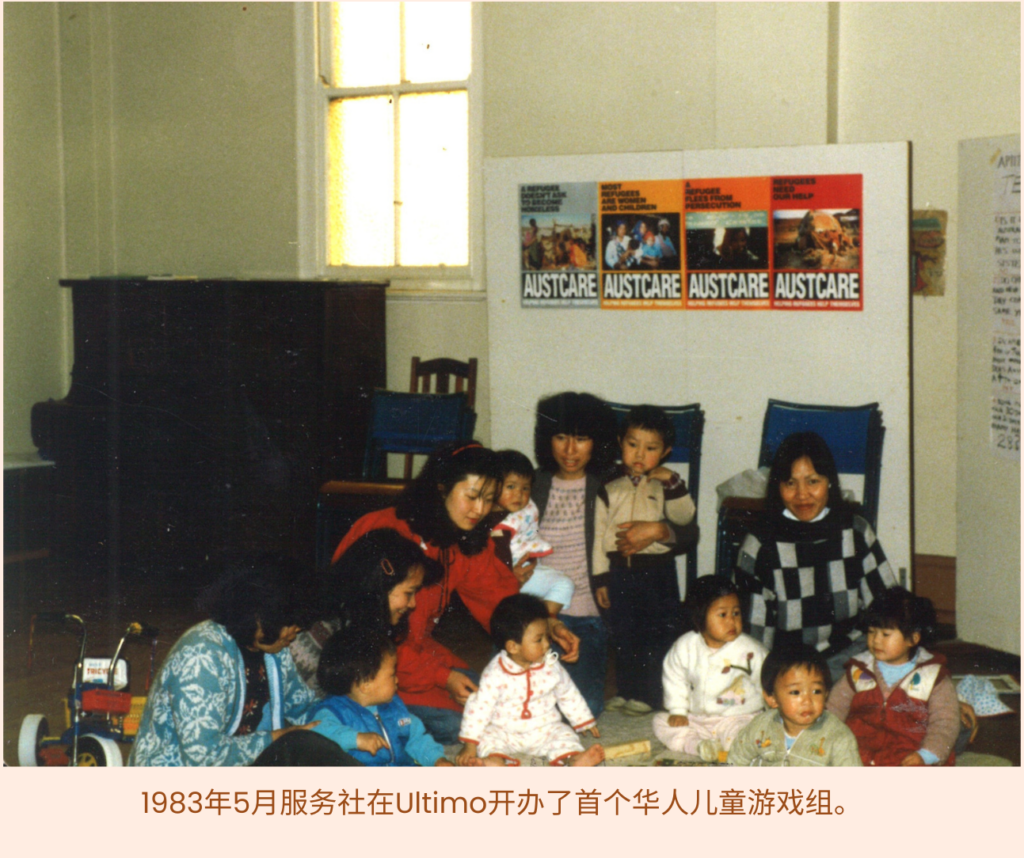
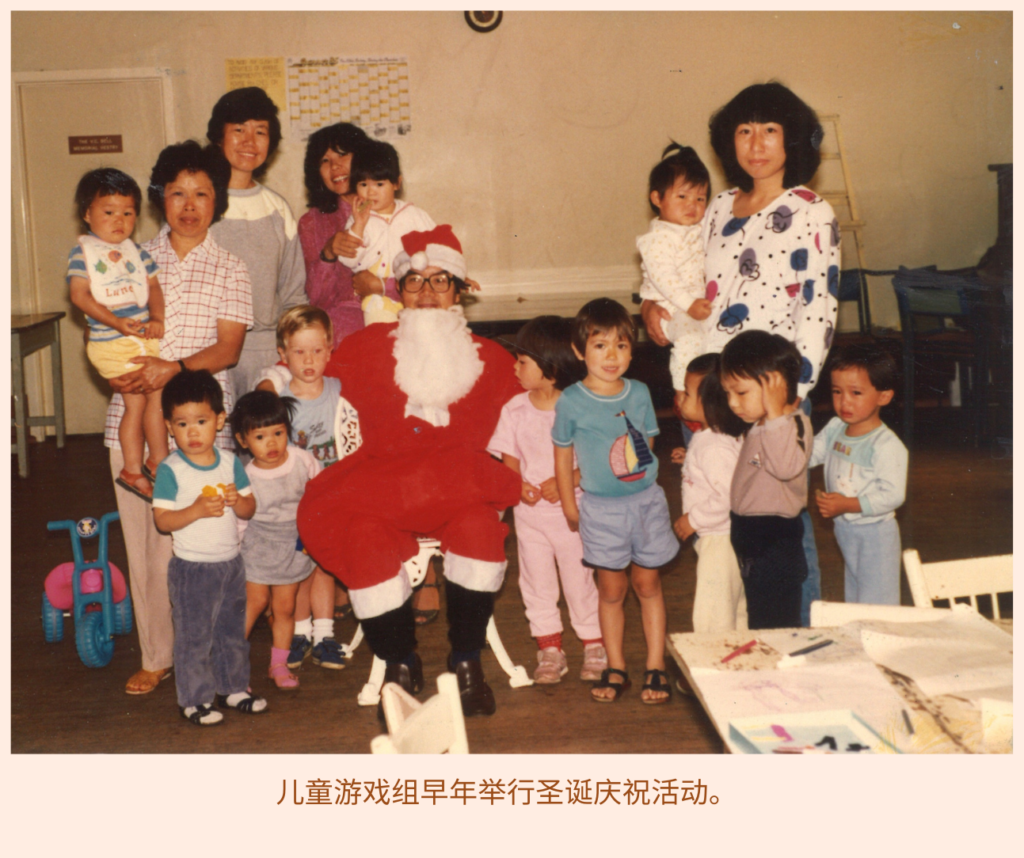
華人社區對各種托兒服務的需求,不斷逐漸顯露出來。其中發現:許多華人家庭,因語言障礙,他們的小孩無法參加主流遊戲組。在1983年5月,社在市區Ultimo借用場地,開辦了首個華人兒童遊戲組。每周一次的活動,成了許多華人家庭的溫馨聚點。
當時,僅有的三名職員,除了跨區開展家庭日托服務,還需分身照顧遊戲組,半職人員幾乎做着全職的工作,忙碌而緊張。
董事局清楚:“勉力支撐”的局面難以長久,必須有更多資源投入。然而,轉介項目只是一項為期三年的試驗性服務,通常有關方面在項目到期前,才會重新審核撥款,中途不會作任何調整。
社於1983年底,還是向聯邦政府反應了困境,並遞交了要求增加撥款的申請。持續的打交道和項目的好進展,政府部門看到社的這群年輕人,不僅有能力,更有決心和熱情,真心實意地為社區提供服務。
政府了解此項目對社區的長遠意義,如果半途而廢,將是一個損失;並且社的認真積極態度得到認可,在未到重審時間的情況下,政府破例批准了增加撥款,允許社再多聘兩位全職職員投入項目。
在1984年6月間,聯邦政府托兒服務辦公室向董事局提出試探性詢問:“你們是否一定要在莎莉山區域開辦托兒中心?會考慮其以外的地區嗎?”
董事局討論後作出決定:地點不是關鍵,能開始提供服務給予社區才是重要的。
到了8月初,政府部門通知了意想不到的消息:“在Campsie有一間私人幼稚園正要出售,政府願意資助服務社購買。”
原來有間滿員的幼稚園,業主不想繼續經營,而其物業所在處,是可開發公寓的地帶,所以開發商一定會來收購。當時托兒服務普遍供不應求,而Campsie地區人們經濟相對差,托兒服務尤為匱乏,如果幼稚園關閉,很多家庭將無服務可用。
為了保障社區有托兒服務,政府決定介入購買。但是政府不能自行運營,需要找一家有能力的社區機構來經營。
🤔這無疑是一塊從天而降的“餡餅”!面對這突如其來的機遇,服務社將如何抉擇、規劃呢?我們下篇分享。
by Kitty Leong | Jul 1, 2026 | CASS Story - EN
In 1983, our Society received two fundings, allowing the employment of 3 part-time staff members to carry out the work of “Family Day Care Development Service” (FDCSS). It was a referral service, matching Chinese families needing child care to caregivers.
According to the Regulations, all caregivers were required to be registered with a mainstream FDC service.
Facing enquiries from people residing all over Sydney, the Society was trying its best to meet the needs of the families. However, the system at the time did not allow cross-boundary services.
The State Government was the enforcement authority of FDC regulations. It was supportive of the pilot FDCDS project, and it provided special approval letting Sydney Family Day Care, who was working together with our Society, to provide services outside its service boundary.
The Board felt that considering long term, there was a need to gain the support of mainstream Family Day Care agencies in different regions to accept Chinese caregivers to be able to provide services in their areas. Building relationships with mainstream FDC services was important and necessary. The Society thus applied to become a member of the NSW Family Day Care Association – the peak organization in which all mainstream FDC agencies joined.
The Board originally thought that, with the strong support of Ms. Maureen Hastings, the other FDC agencies would also be friendly and welcoming. Surprisingly, at the first meeting, the Society representatives were faced with interrogation and suspicion: “Why are you doing this project?”, “Why are you competing with our business?” and “Ask parents and caregivers to contact us directly, we do not need you!”
Representatives of our Society, Dr. Cecilia Fong, Mrs. Susie Chu and our staff members, were always patient and explained our objectives: “We are not competing with your business. We want to help Chinese families with limited English to understand the service as language and culture are barriers to accessing services.” The initial responses were very unfriendly: “Don’t be a caregiver if you don’t know English!” It was an embarrassing situation.
Our Society’s representatives did not give up. They continued to attend the meetings and kept communicating with fellow people engaged in the same trade. Ice was gradually broken. As time went on, those agencies that were initially hostile or indifferent began to understand the intention of our Society. Animosity was replaced by respect and friendship. As years went by, the people not only became friends, but also long-term working partners.
The officers of relevant departments in both the state and federal Governments dealing with child care services held meetings with our Society’s representatives bi-monthly. They found that our Society’s Board was a strong team having management capabilities, ideals and was down-to-earth.
The journey thus passed reflected an important message: when faced with difficulties, one needs to keep working hard and with time, strangers will become acquaintance, and estrangement will turn to respect.
The Society was not just providing services across boundaries in different regions; it also began to establish playgroups. Staff members had to run the playgroups, implying that the employed part-time workers had to take up full-time duties. Once again, our Society was facing challenges.
🤔How did the project go? There is more in the next article.
Page 6 of 11« First«...45678...»Last »
