by Kitty Leong | Jul 8, 2026 | Henry’s Story - EN
When children get good grades at school, do you praise them or criticise them for not doing even better?
The second story that Henry shared will enable you to reflect on this question.
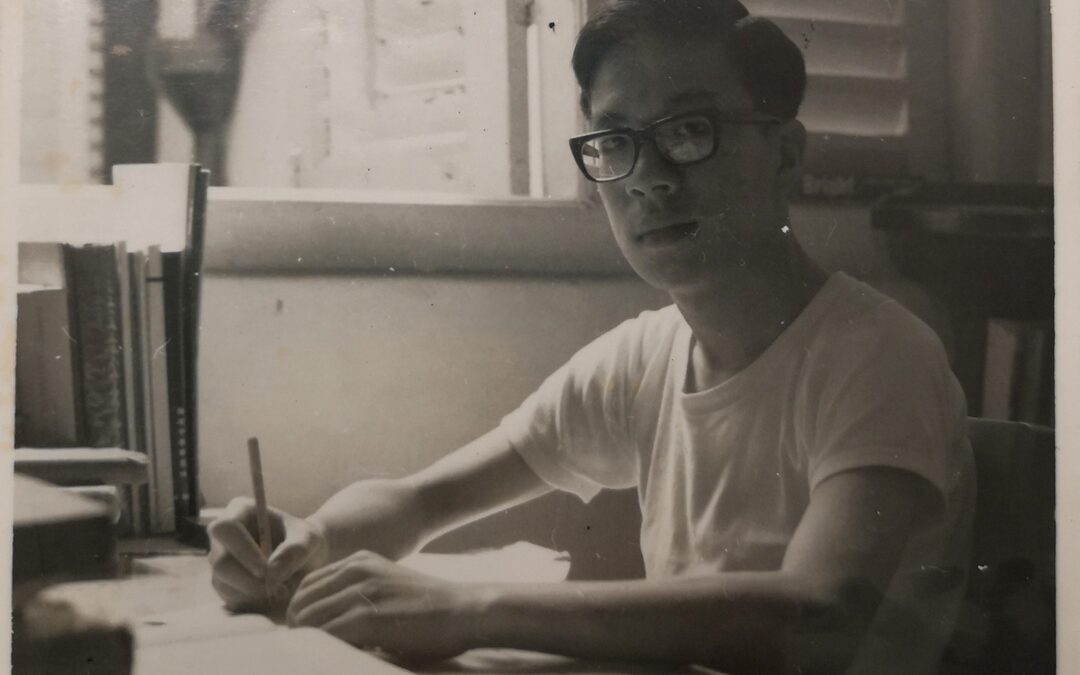
Henry had always been a hardworking student, even after he transferred to a new school in primary 3. He became the dux in the new school, while Student M, who had been the dux, had come second after Henry.
Although Henry and M had been quietly competing academically, they were also good friends. M often complained that his mum ignored his effort and reproached him for not being the top student. Henry sympathised with his friend, but he was not ready to give up the fight. In the final exam of year 4, Henry continued to be the dux of the class.
This led to M being reprimanded and criticised by his mum even more. He was losing his confidence and became more reserved. While he continued to work hard in his studies, his exam results had become less satisfactory. This led to a vicious cycle. As his academic results got worse, he faced harsher criticisms. Experiencing increased psychological pressure, M performed worse in his study, leading to further rebuke from his mum.
After they entered high school, the competition grew stronger as the top students from all over the city were gathered there. Both Henry and student M had to face the new environment and the fierce competition. They had difficulties adjusting to the new environment initially, and both struggled academically. They needed more encouragement and support from their parents.
Henry’s parents guided him patiently, teaching him how to face setbacks. They told him that someone would always be better than him in all situations, and he should learn from others who were doing well. Henry worked hard and eventually became the dux of his class again.
Unfortunately, M became increasingly withdrawn and stopped interacting with other students because of his parents’ continual reprimanding and disapproval. Henry was sad to see his friend, who used to be a hardworking and well-behaved student, eventually dropping out of high school. M subsequently led a very despondent life and died of depression in his fifties.
We hope you enjoy this story and find it helpful.
by Kitty Leong | Jul 8, 2026 | 南弘春秋 - TW
🤔對孩子的成績,是誇獎,還是挑毛病呢?澳洲的教育觀提倡家長們多誇獎孩子,傳統的華人教育觀認為批評使人進步,您贊同哪個?還是二者皆可有。
🌈Henry要分享的第二個故事就是關於這個問題的思考。
………………………………………………………………………
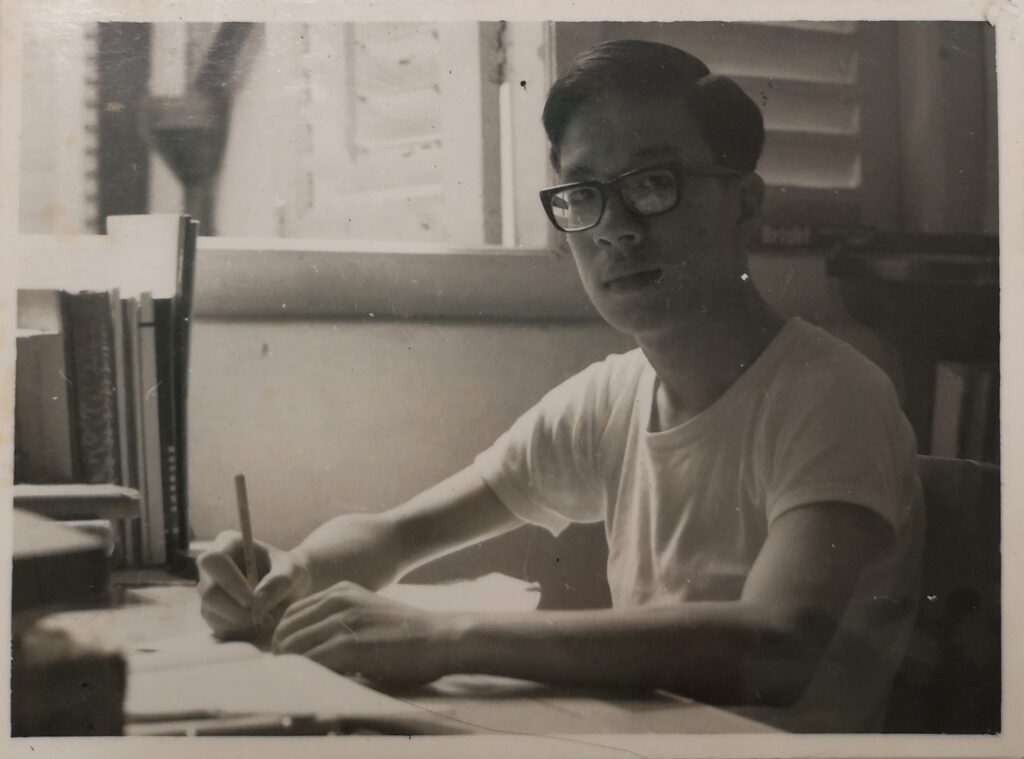
Henry自小就是一個學霸,小學三年級時,他轉學了,從來不拿第二的他毫無懸念地在新學校的學年末統考中拿到了第一名。
原本同年級一直獨佔鰲頭的同學M則從第一成了第二。
倆人雖然在學習上暗暗較勁,但平常卻是惺惺相惜的好朋友,無話不說。同學M常常抱怨因為沒拿第一而被媽媽責備,他覺得自己真的已經盡力了。
可是那時大家都是孩子,Henry在競爭中當仁不讓,在接下來的四年級年末統考中,他繼續穩拿第一。
這讓同學M受到了媽媽更多的數落和責怪,自信心逐漸下降,性格也變得更加沉默,雖然很努力地學習,考試成績卻反而更加不如人意。
這導致了一個惡性循環,成績逐年下降,媽媽嚴厲批評,心理壓力越來越大,學習受到情緒影響而下降,媽媽更多苛責和埋怨。
升入中學後,來自四面八方的優秀學生匯聚在一起,Henry和好友M面臨新的環境和更加激烈的競爭,在開始的階段,倆人都有不適應的情況,成績排名都落後了很多,需要父母更多的關心和鼓勵。
Henry的父母對他循循善誘,引導他直面挫折,告訴他,不同的場合中都有比我們優秀的人,我們要看到他們做得好的地方,學習他們的長處,充實自己。Henry奮起直追,後來繼續名列前茅。
另Henry遺憾的是,好友M卻在父母的責備與打擊下,情緒越來越抑鬱,不再與同學們來往,這個原本聽話又努力的同學,中學還沒讀完就輟學回家了,此後的人生過得很消沉,在五十多歲的時候便鬱鬱離開了人世。
………………………………………………………………………
💡結語:
🔸好友M的經歷讓Henry一生都感到惋惜和唏噓,他常常想,如果M的父母能夠理解孩子,積極引導孩子面對挫折,而不是一味指責,那M的人生可能是另外一番光景。
🔸也許我們很關注孩子現在取得的成績,可是放在人生的長河裡,那不過是滄海一粟。
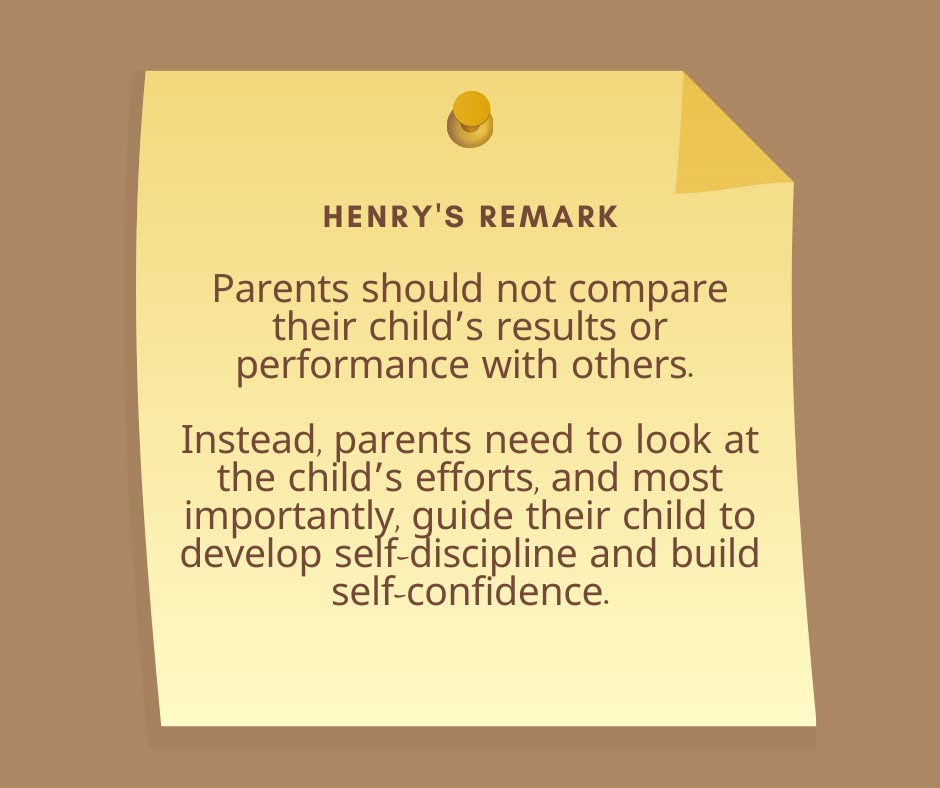
🔸Henry建議:對孩子所取得的成績,家長儘量不去比較,比如,「姐姐進了某名校,你也要進啊。」,「你是不是不行啊?」,或者「你看人家,比你做得強多了」,這些都是不建議的表達,家長要理解認可孩子付出的努力,最關鍵的是要引導他們變得自律、自信。
by Kitty Leong | Jul 8, 2026 | Henry’s Story - EN
What would you do when your kid makes a mistake? Do you punish them or talk to them gently to guide them to develop self-discipline?
The first story shared by Henry will give you an answer to this question.
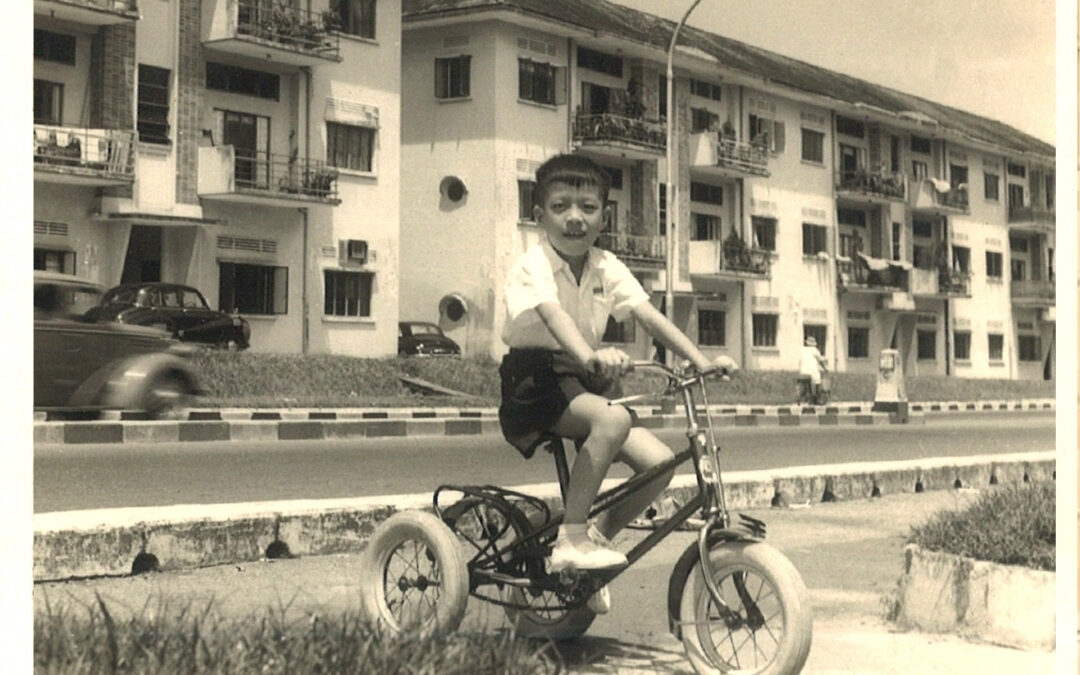
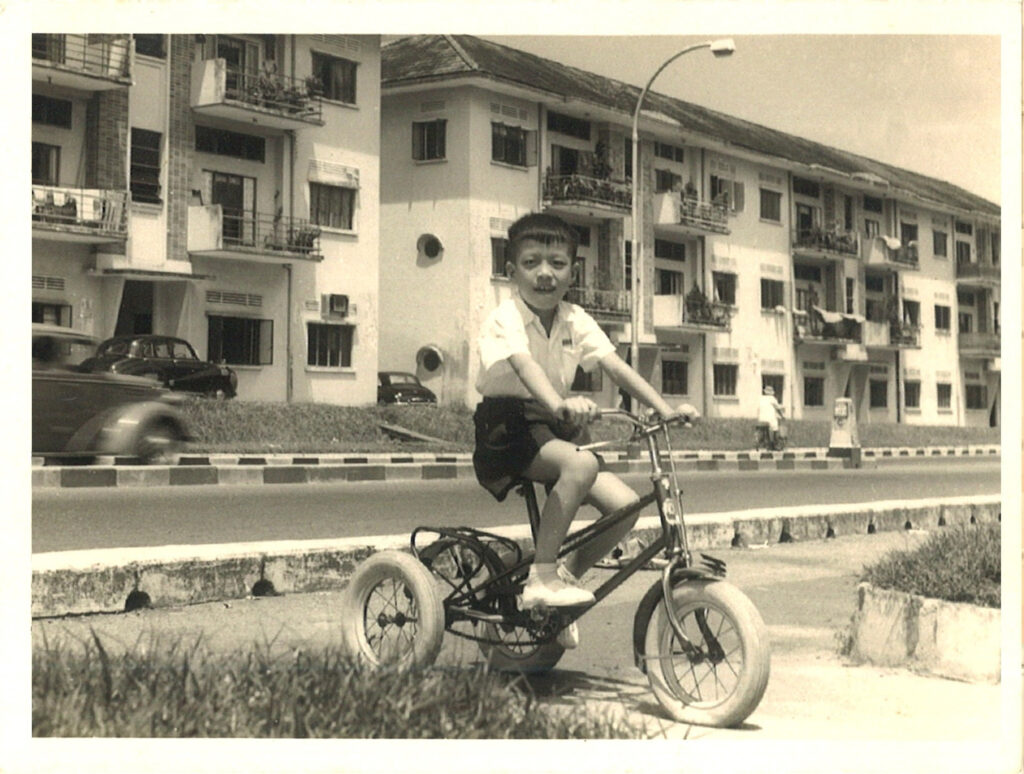
When Henry was studying primary 2 in Singapore, his hardworking mum made him snacks to bring to school for morning tea.
One day, being invited to the school canteen by his friend, Henry discovered a variety of snacks, very tempting. He wanted to get some, but he did not have any pocket money. He felt guilty to ask his mother for money to buy snacks because she prepared them for him every day.
Days later, Henry noticed a five-dollar note (equivalent to $100 nowadays) on the table. “Maybe mother had dropped it in a rush!” Henry thought. Realising that the money would enable him to buy the yummy snacks in the canteen, he excitedly put the money in his pocket.
In those days, five dollars was a huge amount of money, which could afford about 100 of snacks in the school canteen. Henry excitedly bought many snacks and generously shared them with his friends. He felt hugely satisfied.
Soon, Henry’s mother found out. She suddenly called him over. She pointed to the money in his bag and asked him gently where the money was from. As his mum’s tone was very gentle, Henry felt very at ease and readily told her the truth.
Having heard the story, his mum was not angry. She continued to ask him why he had taken the money instead of giving it back to her. Later, she came to realise Henry didn’t have any pocket money to buy things he wanted.
She said to Henry, “From now on, I will give you pocket money. However, you should spend your money wisely and learn to develop the habit of saving.” After a while, his mum continued, “Ok. I will buy a piggy bank for you to save money. When your piggy bank is full, I will give you an equal amount of money as a reward. What do you think?”
Henry nodded happily. From that time on, he began to get pocket money. He used part of it to buy things he liked and saved the rest. He had learnt to develop the habit of saving, which he still keeps doing today.
Although it was wrong to take money from his mother, Henry’s mother didn’t blame him. Instead, his mother discussed it with him, found the core issue and developed a method to help Henry be more self-disciplined, which benefits Henry throughout his whole life.
We hope you enjoy this story and find it helpful.
Next week, Henry will share his second story, which may thrill every parent.
by Kitty Leong | Jul 8, 2026 | 南弘春秋 - TW
🤔如果孩子犯了錯,你是教訓他一頓呢,還是和顏悅色激發他的自律感呢?
🌈Henry要分享的第一個故事就是這個問題的答案。
………………………………………………………………………
這發生在他小學二年級的時候,那時他還在新加坡生活。
每天上學前,勤勞的媽媽會給他打包好自家做的茶點,備在上午茶的時間吃。
其實學校餐廳也有茶點售賣,有一天要好的同學告訴他:「Henry,餐廳的茶點可美味了,你去看看吧。」一起去到餐廳,Henry發現各種糕點飲品琳瑯滿目,誘人極了,他很想買,卻發現口袋裡沒有零花錢,而媽媽每天都準備早茶,他不好意思問媽媽要錢。
有一天,媽媽上班去了,Henry意外地發現桌子上有五塊錢(大約相當於現在的100元),可能是媽媽匆忙之下掉落的,這時他腦子裡冒出了學校餐廳美食的畫面,想到有錢可以買好吃的,他開心地把錢收到了自己的口袋。
那時,學校餐廳的茶點大約5分錢一份,所以5塊錢真的是一大筆錢,他買了很多好吃的,還大方地邀請同學們一起吃,小孩子的滿足感爆棚。
一天早晨,他突然被媽媽叫過去,媽媽指著他餐包裡的錢,和顏悅色地問:「可以告訴媽媽,你包裡的錢從哪裡來的嗎?」
媽媽態度溫和,讓他放心地如實告訴了媽媽。了解到來由,媽媽並沒有發火,繼續問他為什麼要拿這個錢,而不是還給媽媽。
Henry說:「媽媽,你知道嗎?我們學校餐廳賣很多好吃的,有糕餅、糖水,都特別好吃,很多小朋友都買,我還用這錢請了小朋友吃。」
說到這裡,Henry有些委屈地說:「可是你卻沒有給我買過,我也沒有零花錢去買。」
媽媽這才意識到,原來她應該給孩子一些零用錢。她回答Henry:「媽媽以後每天都會給你零花錢,不過呢,錢不能亂花,要養成儲蓄的好習慣。」
媽媽停頓了一下,繼續說:「這樣吧,媽媽會送你一個撲滿(就是存錢罐)來存錢,撲滿裝滿的時候,我就給你同等數量的錢作為獎勵,你看好不好?」
Henry開心地點點頭,從那以後,Henry有了零花錢,一部分用來買喜歡的東西,剩下的就存起來,養成了儲蓄的習慣,這個習慣延續至今。
………………………………………………………………………
💡結語:Henry雖然不自覺錯誤地拿了媽媽的錢,但父母並沒有責怪他,而是積極溝通了解原因,在這個過程中還發現了養育過程中自己的不足,並採取方法培養孩子的自律能力,這份自律讓Henry受用一生。
📣精彩繼續:下週,Henry將講述他親歷的讓每個父母都心靈震撼的故事
by Kitty Leong | Jul 8, 2026 | Henry’s Story - EN
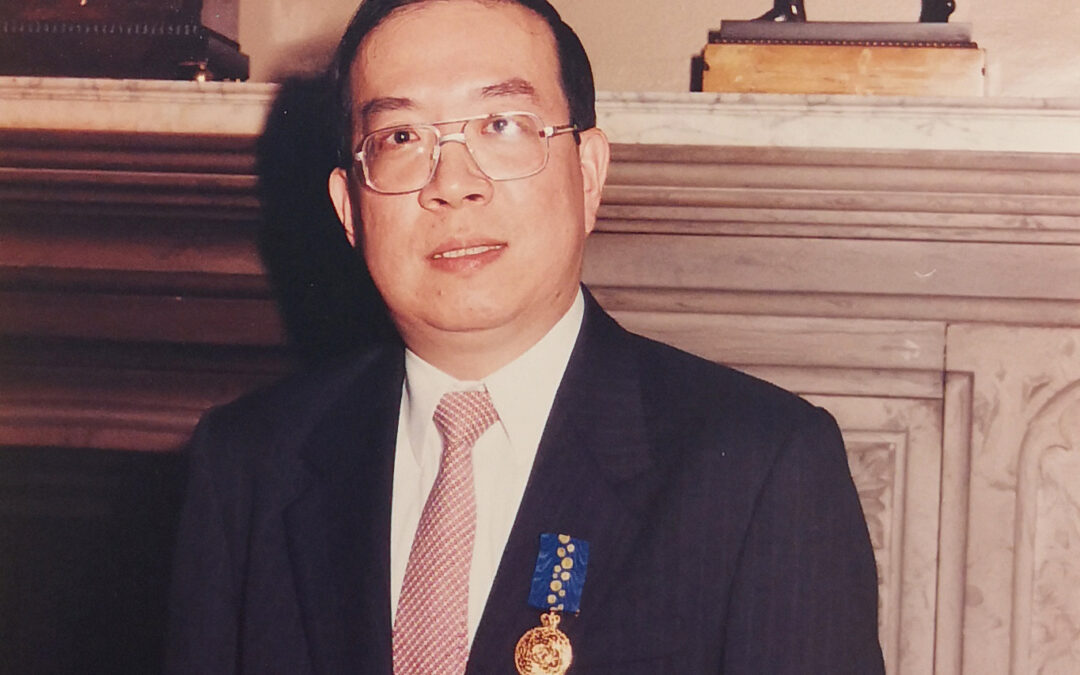
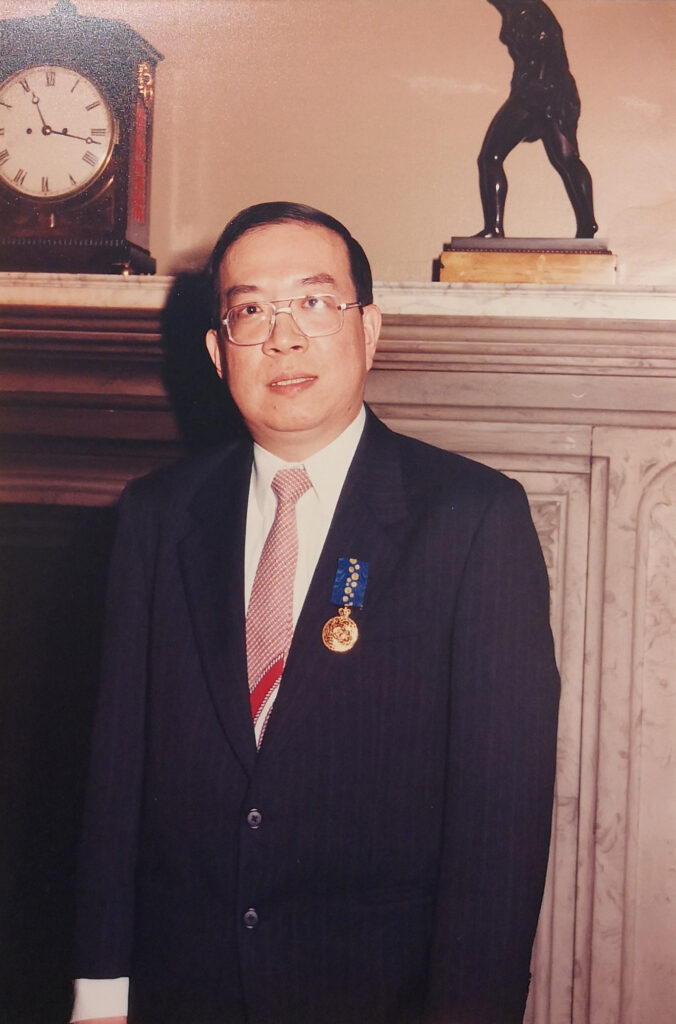
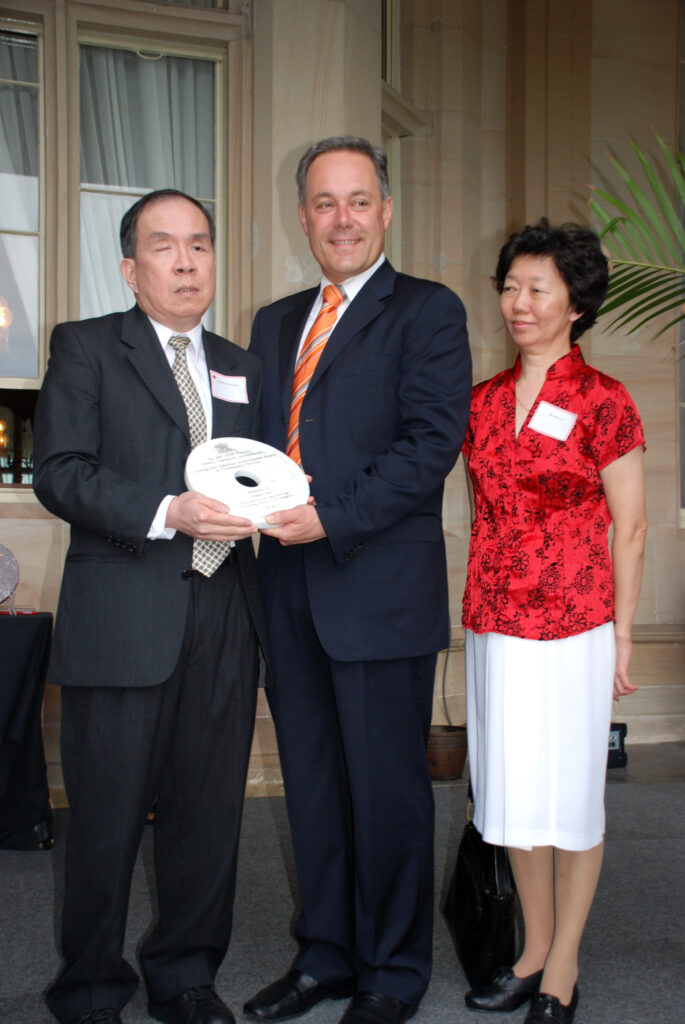
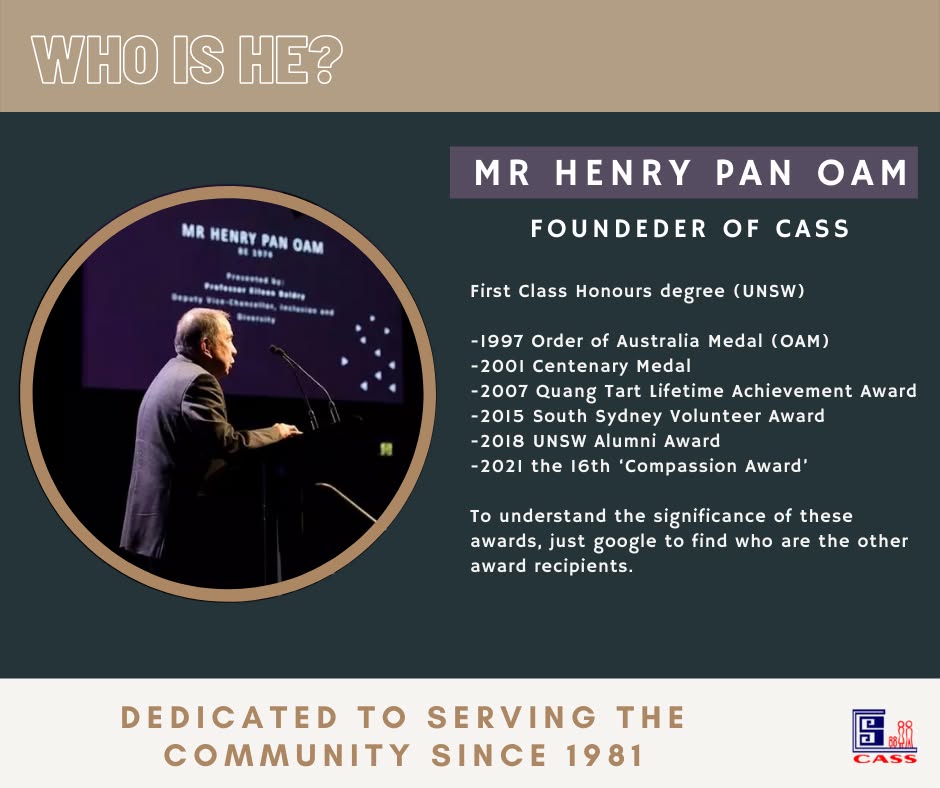
Parenting is a perpetual topic that people never stop exploring. As a respected elder having years of extraordinary life encounters, Mr Henry Pan (known by all as Henry), the founding chairperson and the Honorary Executive Director of CASS, shared his stories about parenting and teaching children life values. From this week on, we will post a story of Henry every Friday and hope you will find his stories meaningful, useful, and inspiring.
Although awarded numerous awards, Henry’s life journey has not been easy and smooth but full of hurdles and hardships.
- At the age of 15, Henry lost his father. He went to Australia alone to pursue his studies on his own under the support of his mother, elder sister and elder brother.
- At a young age, Henry was injured and had a fracture in the fourth vertebral disc in his spinal column while serving in the army.
- Later, Henry was attacked while assisting children from a divorced family and permanently lost his eyesight.
- After Henry founded the community organisation, CASS, it had gone through periods of internal conflicts and turmoil.
However, Henry never surrendered himself to the hardships. Instead, he has been determined as ever, faced life with persistence and a positive attitude, and managed to achieve great success. Though he is visually impaired, he learned to use special computer software to manage the affairs of CASS and actively look after the day-to-day running of CASS.
Here, Henry as an elder with rich life experience, used his childhood experience to shed light on how parenting during the early years can influence a child.
- Since Henry was a little kid, his parents have taught him about Chinese culture. He was encouraged to learn Chinese and read Chinese classics, and the traditional Chinese culture has greatly influenced his life values.
- Studied in a Chinese high school, whenever Henry was battling hardships, the school motto ‘Live with Passion, Lead with Compassion’ always enabled him to steer through the battles with perseverance.
Reminiscing the early education of his parents, Henry wanted to share the core parenting concepts with young parents:
- Always be supportive to your child
- Listen and understand your child’s needs
- When children make mistakes, don’t rush to punish them but guide them to be self-discipline.
These tips will enable your child to develop confidence and resilience, and we hope you will find them helpful.
Next week, Henry will share his first story about how his mother handled a child who had made a mistake.

Page 2 of 11«12345...10...»Last »
