by Kitty Leong | Jul 8, 2026 | Henry’s Story - EN
The Foundation Chairperson/Honorary Executive Director of CASS, Mr Henry Pan (known by all as Henry), shared his personal stories to shed light on parenting and children’s education.
Today, Henry shared his experience of learning Chinese while he was in Singapore.
…………………………………………….
When Henry was young and studying in Singapore, both his primary school and high school (Hwa Chong Institution) emphasised teaching the Chinese language. In high school, Chinese classes included learning Classical Chinese, also known as Literary Chinese.
Learning Classical Chinese has enabled Henry to better understand traditional Chinese culture. However, it was challenging to learn this form of classical writing at the beginning, especially when he had never been exposed to these writings during his primary school years.
He remembered when he started high school, the first piece of Classical Chinese text he learnt was “Wei Xue” (The Principles of Learning) written by Peng Duan Shu, a famous scholar of the Qing Dynasty. He had to write a critical review of the article for the assignment. The assignment gave Henry a headache. As he could not fully comprehend the text, he found it difficult to write a critical review that was of a good standard. He did not get a good grade for the assignment, and he felt deeply frustrated.
Henry felt very distressed at the time. To him, the piece of writing seemed something coming from outer space. It sounded odd, and it was difficult to understand. Yet Henry had always been a diligent student. The more difficult it was, the more he was determined to delve into it. He strongly believed that while he was not exceptionally smart, he could conquer anything if he worked hard.
This attitude echoed the content of the piece of classical writing, which said: “Cleverness and acuity, one can rely on it and yet can’t rely on it. If one relies on their cleverness and acuity alone and does not work hard to keep learning, one will ruin their prospects. Fatuity and mediocrity can be both a restriction and yet not a restriction. If one is not limited by their fatuity and mediocrity and makes an effort to learn, one will achieve greatness.”
Henry’s hard work paid off. He gradually understood the content and meaning of the article. He was especially impressed by the following text from the article: “As long as one is willing to learn, even the most difficult things will become easy. If one is unwilling to learn, even the easiest task will become difficult.”
Please stay tuned:
Next week, Henry will share the books and mottos that have influenced his life values.
…………………………………………………
Remarks:
According to Francis Bacon, ‘Histories make men wise’. Classical Chinese is not only a transmission and inheritance of Chinese history but also teaches a lot about life wisdom. There are many benefits for children to learn Classical Chinese.
Like Henry, children may find it difficult at the beginning when studying Classical Chinese. However, after reading the classical texts repeatedly, one will discover that these writings are written beautifully and have a set pattern with rhyming phonics. It often teaches how to solve life problems or expresses sound life philosophies with a few simple phrases.
Learning Classical Chinese during his high school years had enabled Henry to have a high standard of Chinese learning which in turn enabled him to read complicated Chinese classical literature on history. His widespread knowledge through reading greatly influences his life values and philosophy.
by Kitty Leong | Jul 8, 2026 | Henry’s Story - EN
The Foundation Chairperson/Honorary Executive Director of CASS, Mr Henry Pan (known by all as Henry) shared his stories to shed light on parenting and children’s education.
Today, Henry shared his personal experience of being bullied at school.
Henry was allocated to Class 1E when he started high school. He did not know anyone in the class and felt both excited and anxious.
At the start of the school term, the class teacher had to choose a class monitor, a leadership role responsible for promoting and helping other student’s study and maintain classroom discipline, so the teacher required students who were class monitor previously to raise their hands.
Henry raised his hand without giving a second thought. He thought that many classmates would put their hands up. Yet he was the only one.
The teacher planned to pick a student from those having previous experience as a class monitor. Seeing that Henry was the only student who raised his hand, the teacher made the decision and said, “Very good. Henry Pan will be the class monitor.”
Unfortunately, the teacher’s decision had led to a year of bullying for Henry. Some bully him verbally, saying things like, “Henry always likes to be an official, now he gets what he wants.”
Some classmates intentionally acted out in class, talking and fighting to disrupt the class discipline.
Henry had always possessed a great sense of responsibility. Being the class monitor, he spent a lot of energy trying to maintain class discipline. Unfortunately, he was physically not as strong as those unruly classmates. His constant reminders were ignored and even added fuel to the fire. His classmates became even more disruptive.
The situation made Henry very upset and frustrated and therefore affected his academic performance. Moreover, Henry had changed from being a happy and positive child to very quiet and reserved. He often looked miserable, and his parents were very concerned. They asked him what was bothering him.
Henry did not want to tell his parents at the beginning. Feeling his parents’ consistent care and concern, he finally told them what was happening at school – his difficulties adjusting to the new environment and being bullied by some classmates. His parents were heartbroken to hear about the bullying and was concerned about Henry’s safety. They advised Henry to keep a distance from those bullying classmates and to avoid conflicts with them. They ensured Henry that they would always support him no matter what. When Henry later told his parents he did not want to be the class monitor anymore, his parents showed their understanding and supported his decision.
Henry chose a time and gathered his courage to tell his teacher that he did not want to be the class monitor anymore. His teacher was very surprised, as he highly appreciated Henry’s efforts and his sense of responsibility. He encouraged Henry to continue with the role. Henry backed his decision by telling his teacher about being bullied by his classmates. The teacher immediately reprimanded those unruly students, “Henry has been serving the class by being the class monitor. Instead of showing him support and understanding, you are making the class unmanageable. If you do not change your attitude, I will report to the disciplinary supervisor, and you will definitely get a demerit point.”
In fact, many classmates also saw the bullying and were not happy with it. They began to rally behind Henry. Like-minded classmates began to get together and became good friends. They studied and played sports together after school, developing common hobbies, including forming a basketball team. Henry began to enjoy his first year of high school. Being bullied gradually became a distant memory. His academic performance also began to improve.
God helps those who help themselves. At the year-end exam, Henry came fifth of the year cohort and entered the selective class in high school year 2. There were no more recalcitrant or bullying students in the class, and their class schedules were also separate. Henry’s school life had become much more pleasant.
Concluding remarks:
Bullying at school can happen to any child. Many children who have experienced bullying cannot recover from the traumatic experience. This gives the bullies power to become more unscrupulous.
When Henry encountered problems, he told his parents the truth and sought help from his teacher. At the same time, he also worked hard to get his grades up. Birds of a feather flock together, and before long, he had a group of like-minded friends. All these had helped him to build his confidence and his status, making it futile for the bullies to continue their intimidation.
When children are being bullied, parents should not reprimand them. Neither should they encourage their children to fight in case they might get hurt. As parents cannot go to school with their children, there is not much they can do. It is important that they encourage their children to seek help and pay attention to their children’s emotions. They can help their children to develop hobbies, especially sports. This will enable their children to make friends and have a purpose in life, thereby taking them out of the cycle of bullying.
by Kitty Leong | Jul 8, 2026 | Henry’s Story - EN
When children get good grades at school, do you praise them or criticise them for not doing even better?
The second story that Henry shared will enable you to reflect on this question.
Henry had always been a hardworking student, even after he transferred to a new school in primary 3. He became the dux in the new school, while Student M, who had been the dux, had come second after Henry.
Although Henry and M had been quietly competing academically, they were also good friends. M often complained that his mum ignored his effort and reproached him for not being the top student. Henry sympathised with his friend, but he was not ready to give up the fight. In the final exam of year 4, Henry continued to be the dux of the class.
This led to M being reprimanded and criticised by his mum even more. He was losing his confidence and became more reserved. While he continued to work hard in his studies, his exam results had become less satisfactory. This led to a vicious cycle. As his academic results got worse, he faced harsher criticisms. Experiencing increased psychological pressure, M performed worse in his study, leading to further rebuke from his mum.
After they entered high school, the competition grew stronger as the top students from all over the city were gathered there. Both Henry and student M had to face the new environment and the fierce competition. They had difficulties adjusting to the new environment initially, and both struggled academically. They needed more encouragement and support from their parents.
Henry’s parents guided him patiently, teaching him how to face setbacks. They told him that someone would always be better than him in all situations, and he should learn from others who were doing well. Henry worked hard and eventually became the dux of his class again.
Unfortunately, M became increasingly withdrawn and stopped interacting with other students because of his parents’ continual reprimanding and disapproval. Henry was sad to see his friend, who used to be a hardworking and well-behaved student, eventually dropping out of high school. M subsequently led a very despondent life and died of depression in his fifties.
We hope you enjoy this story and find it helpful.
by Kitty Leong | Jul 8, 2026 | Henry’s Story - EN
What would you do when your kid makes a mistake? Do you punish them or talk to them gently to guide them to develop self-discipline?
The first story shared by Henry will give you an answer to this question.
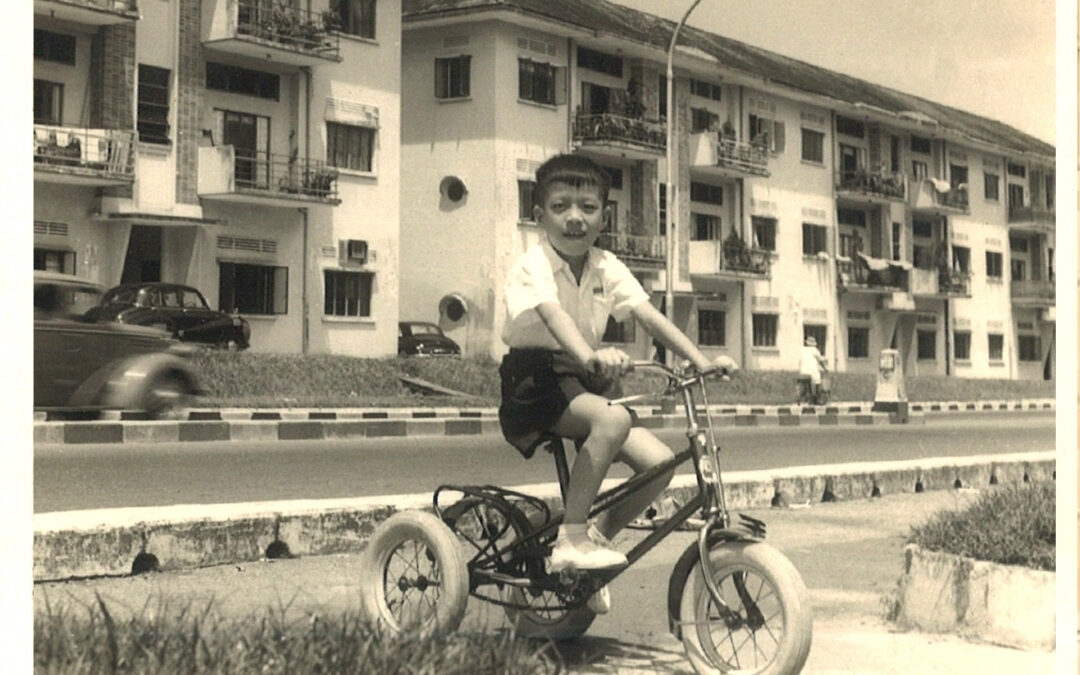
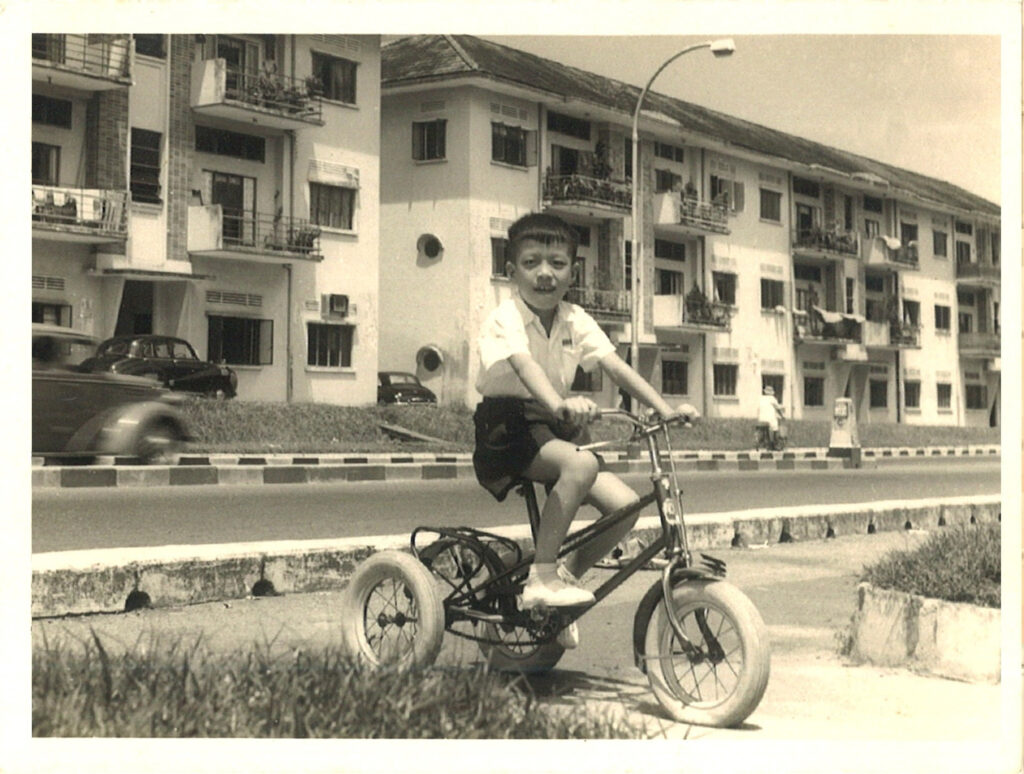
When Henry was studying primary 2 in Singapore, his hardworking mum made him snacks to bring to school for morning tea.
One day, being invited to the school canteen by his friend, Henry discovered a variety of snacks, very tempting. He wanted to get some, but he did not have any pocket money. He felt guilty to ask his mother for money to buy snacks because she prepared them for him every day.
Days later, Henry noticed a five-dollar note (equivalent to $100 nowadays) on the table. “Maybe mother had dropped it in a rush!” Henry thought. Realising that the money would enable him to buy the yummy snacks in the canteen, he excitedly put the money in his pocket.
In those days, five dollars was a huge amount of money, which could afford about 100 of snacks in the school canteen. Henry excitedly bought many snacks and generously shared them with his friends. He felt hugely satisfied.
Soon, Henry’s mother found out. She suddenly called him over. She pointed to the money in his bag and asked him gently where the money was from. As his mum’s tone was very gentle, Henry felt very at ease and readily told her the truth.
Having heard the story, his mum was not angry. She continued to ask him why he had taken the money instead of giving it back to her. Later, she came to realise Henry didn’t have any pocket money to buy things he wanted.
She said to Henry, “From now on, I will give you pocket money. However, you should spend your money wisely and learn to develop the habit of saving.” After a while, his mum continued, “Ok. I will buy a piggy bank for you to save money. When your piggy bank is full, I will give you an equal amount of money as a reward. What do you think?”
Henry nodded happily. From that time on, he began to get pocket money. He used part of it to buy things he liked and saved the rest. He had learnt to develop the habit of saving, which he still keeps doing today.
Although it was wrong to take money from his mother, Henry’s mother didn’t blame him. Instead, his mother discussed it with him, found the core issue and developed a method to help Henry be more self-disciplined, which benefits Henry throughout his whole life.
We hope you enjoy this story and find it helpful.
Next week, Henry will share his second story, which may thrill every parent.
by Kitty Leong | Jul 8, 2026 | Henry’s Story - EN
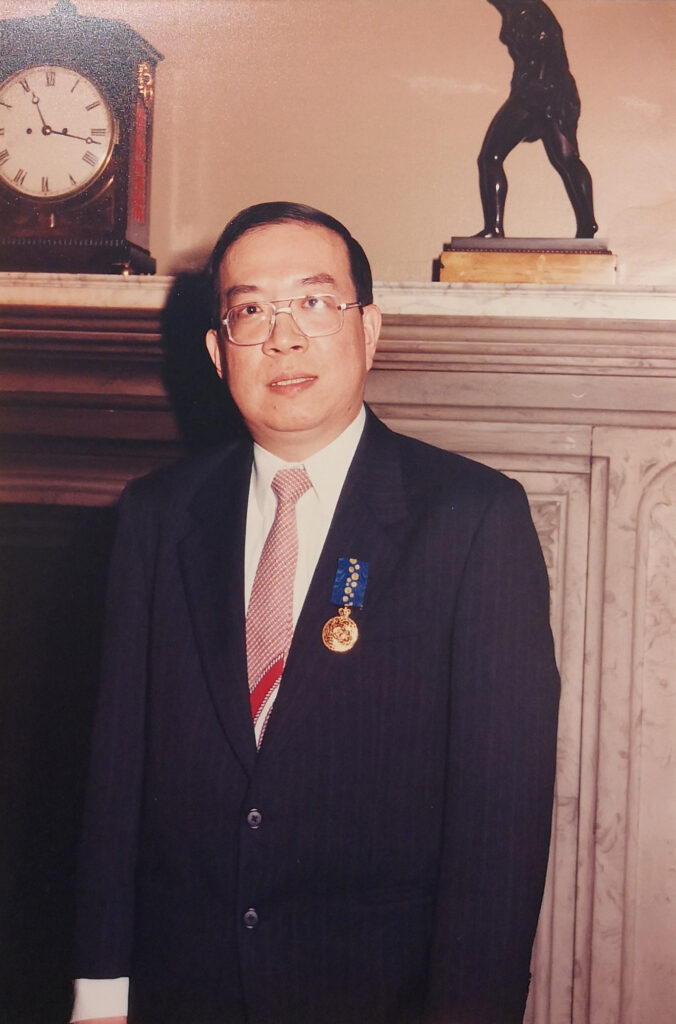
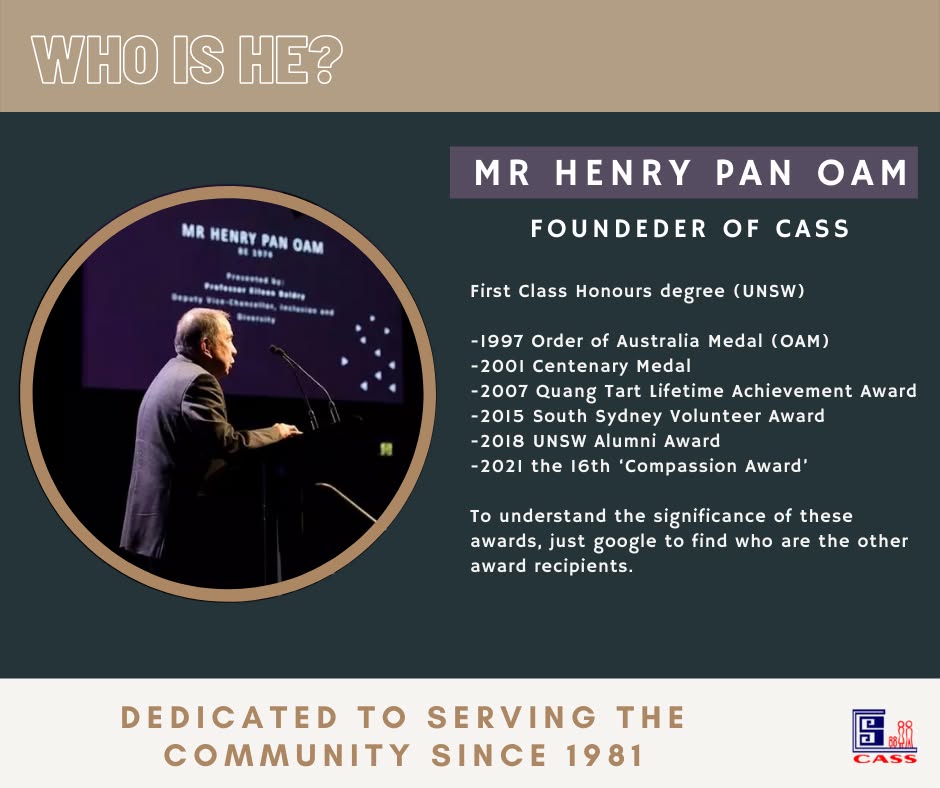
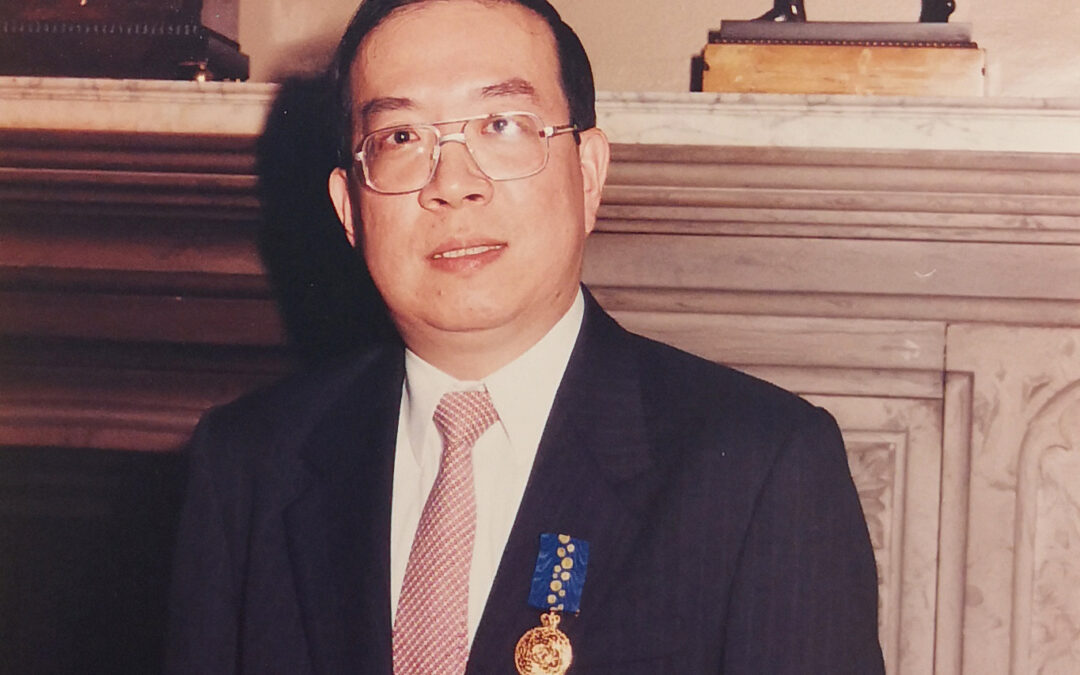
Parenting is a perpetual topic that people never stop exploring. As a respected elder having years of extraordinary life encounters, Mr Henry Pan (known by all as Henry), the founding chairperson and the Honorary Executive Director of CASS, shared his stories about parenting and teaching children life values. From this week on, we will post a story of Henry every Friday and hope you will find his stories meaningful, useful, and inspiring.
Although awarded numerous awards, Henry’s life journey has not been easy and smooth but full of hurdles and hardships.
- At the age of 15, Henry lost his father. He went to Australia alone to pursue his studies on his own under the support of his mother, elder sister and elder brother.
- At a young age, Henry was injured and had a fracture in the fourth vertebral disc in his spinal column while serving in the army.
- Later, Henry was attacked while assisting children from a divorced family and permanently lost his eyesight.
- After Henry founded the community organisation, CASS, it had gone through periods of internal conflicts and turmoil.
However, Henry never surrendered himself to the hardships. Instead, he has been determined as ever, faced life with persistence and a positive attitude, and managed to achieve great success. Though he is visually impaired, he learned to use special computer software to manage the affairs of CASS and actively look after the day-to-day running of CASS.
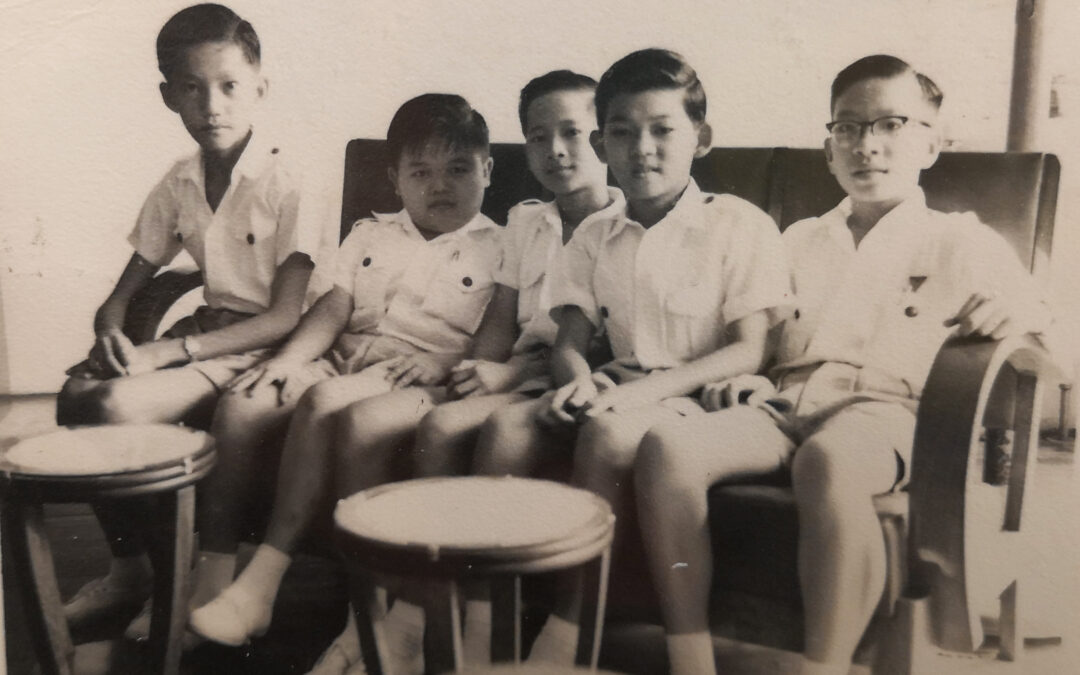
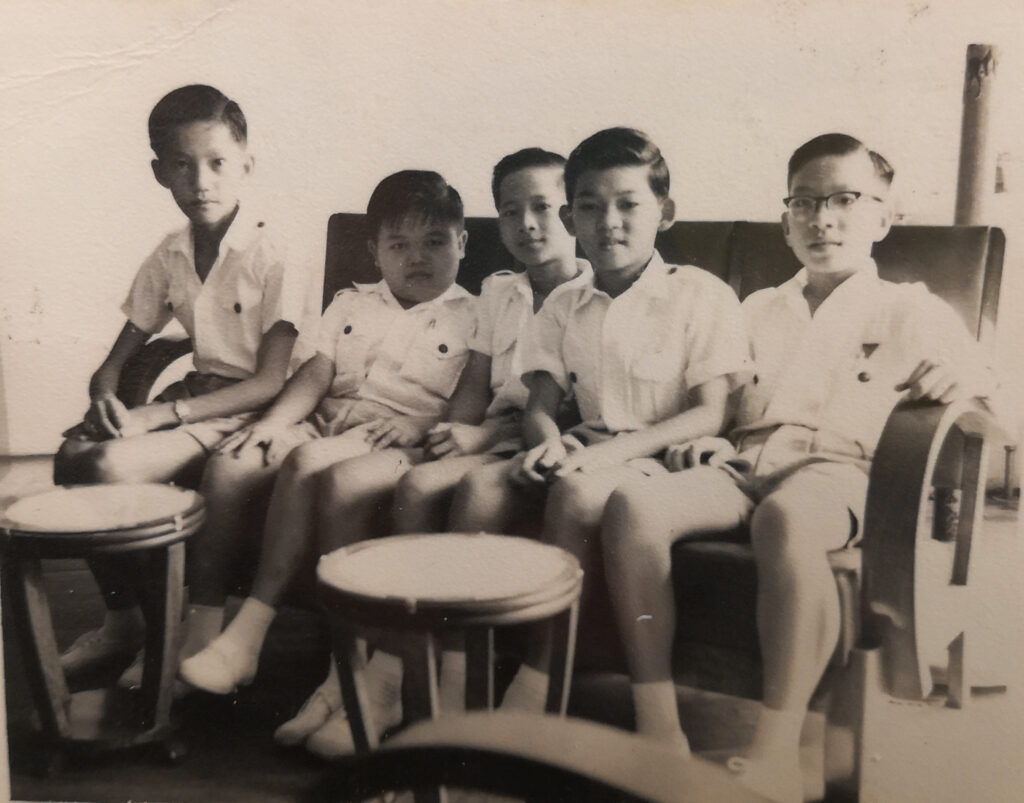
Here, Henry as an elder with rich life experience, used his childhood experience to shed light on how parenting during the early years can influence a child.
- Since Henry was a little kid, his parents have taught him about Chinese culture. He was encouraged to learn Chinese and read Chinese classics, and the traditional Chinese culture has greatly influenced his life values.
- Studied in a Chinese high school, whenever Henry was battling hardships, the school motto ‘Live with Passion, Lead with Compassion’ always enabled him to steer through the battles with perseverance.
Reminiscing the early education of his parents, Henry wanted to share the core parenting concepts with young parents:
- Always be supportive to your child
- Listen and understand your child’s needs
- When children make mistakes, don’t rush to punish them but guide them to be self-discipline.
These tips will enable your child to develop confidence and resilience, and we hope you will find them helpful.
Next week, Henry will share his first story about how his mother handled a child who had made a mistake.