#011 Challenges when starting Campsie Child Care Centre

#011 Challenges when starting Campsie Child Care Centre

With financial support from the Australian Government, the Society bought the Campsie Kindergarten at the end of 1984 and fulfilled its founding aim of operating a child care centre. The Board of Directors were excited about the new development and tended to the Society’s affairs with renewed energy. However, because of their lack of experience in child care business, they were faced with a series of challenges.


The first task was to apply to the relevant department of NSW government for a license to operate Campsie Child Care Centre and register the change of ownership. During the process, they were notified by the Department that based on its record, the kindergarten did not meet licensing requirements. Rectification work had to be carried out before it could operate.

Everyone was frustrated. The kindergarten bought had already been in operation for over 20 years without compliant issues. It seemed that the Department had not inspected the kindergarten during that time and did not demand any renovation. Now that the kindergarten had a new owner, they immediately ordered for rectification works or else it had to cease operation. It was very unfair.

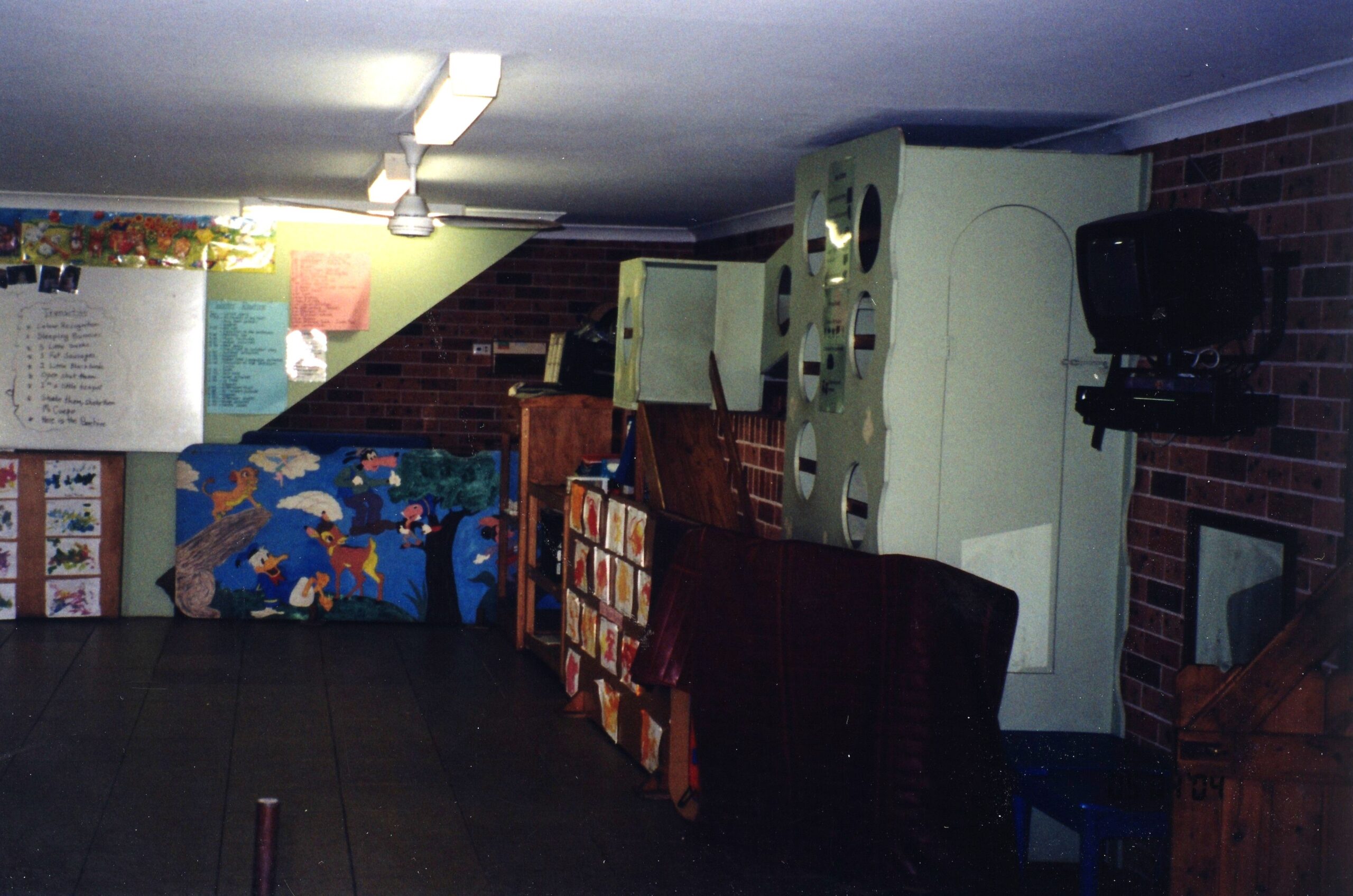
The rectification works included the following: The thickness of the ceiling panels did not meet fire safety standards, the windows were not safety glasses and did not meet legal requirement; there were not enough children’s toilets; there was no space for staff members to do their preparation and administration work; floorings were torn and needed replacement; facilities were inadequate and there was a lack of facilities for children to play. The total cost of the renovation was more than $30,000.
Luckily, the federal government department was willing to take up the matter and liaise with the state department, and it agreed to provide funding for the renovation. The process for the Federal funding to be made available would take some time, hence, the Child Care Centre was given a transition period of 6 months so that it could start operation.

The Society then informed parents of the change of ownership. In an unexpected twist, many parents withdrew their children from care and the enrolment dropped to half. Parents did not know the Society and were skeptical of the Society’s ability to manage the services.

On the other hand, the Society was endeavouring to recruit a Centre Director but received no application. At the end, it had to appoint one of the staff members in the Family Day Care team to take up the position. However, the new Director lacked experience, making the operating work more difficult.

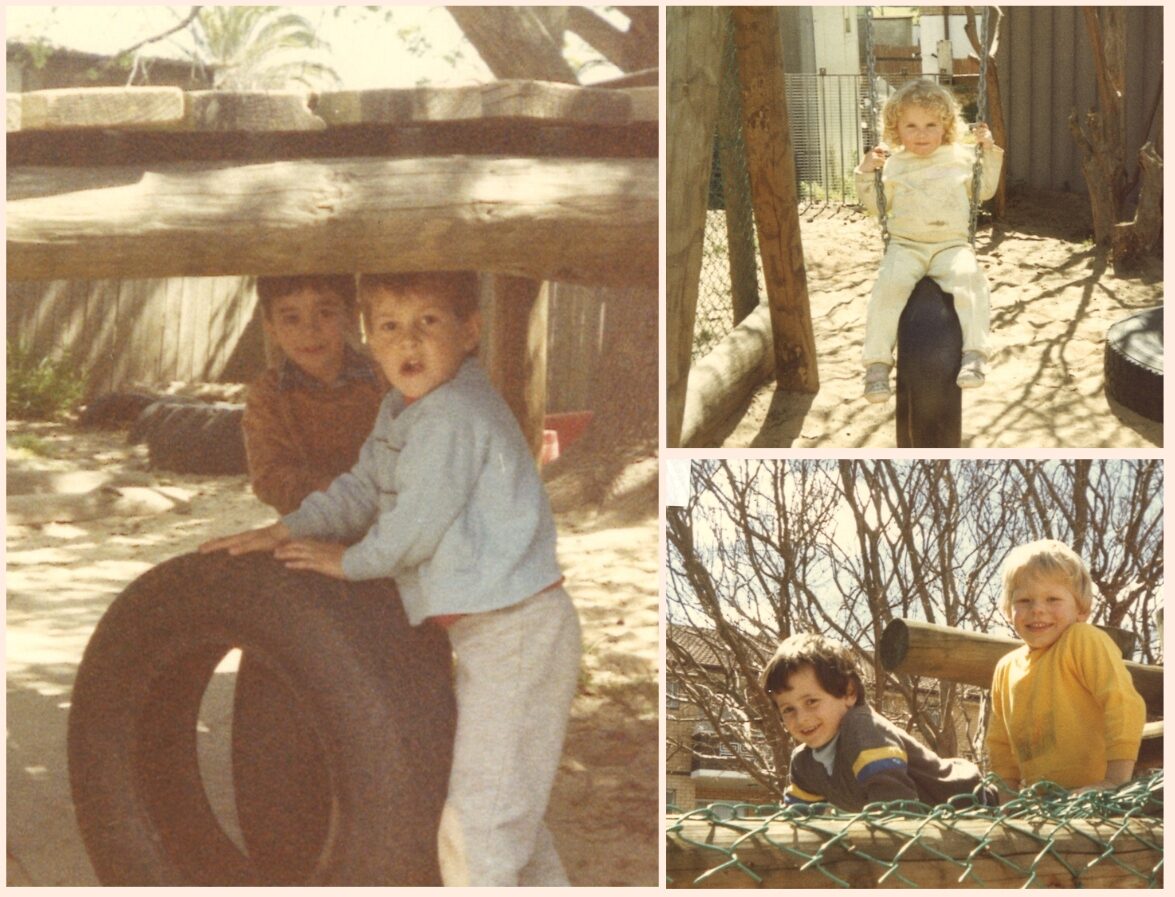
To save financial resources, many volunteers came forward to help.  They spent three weekends carrying out some of the renovation works at the Centre, including painting and improving the playground. The Board directors often held meetings late into the evening to prepare the business to commence operation.
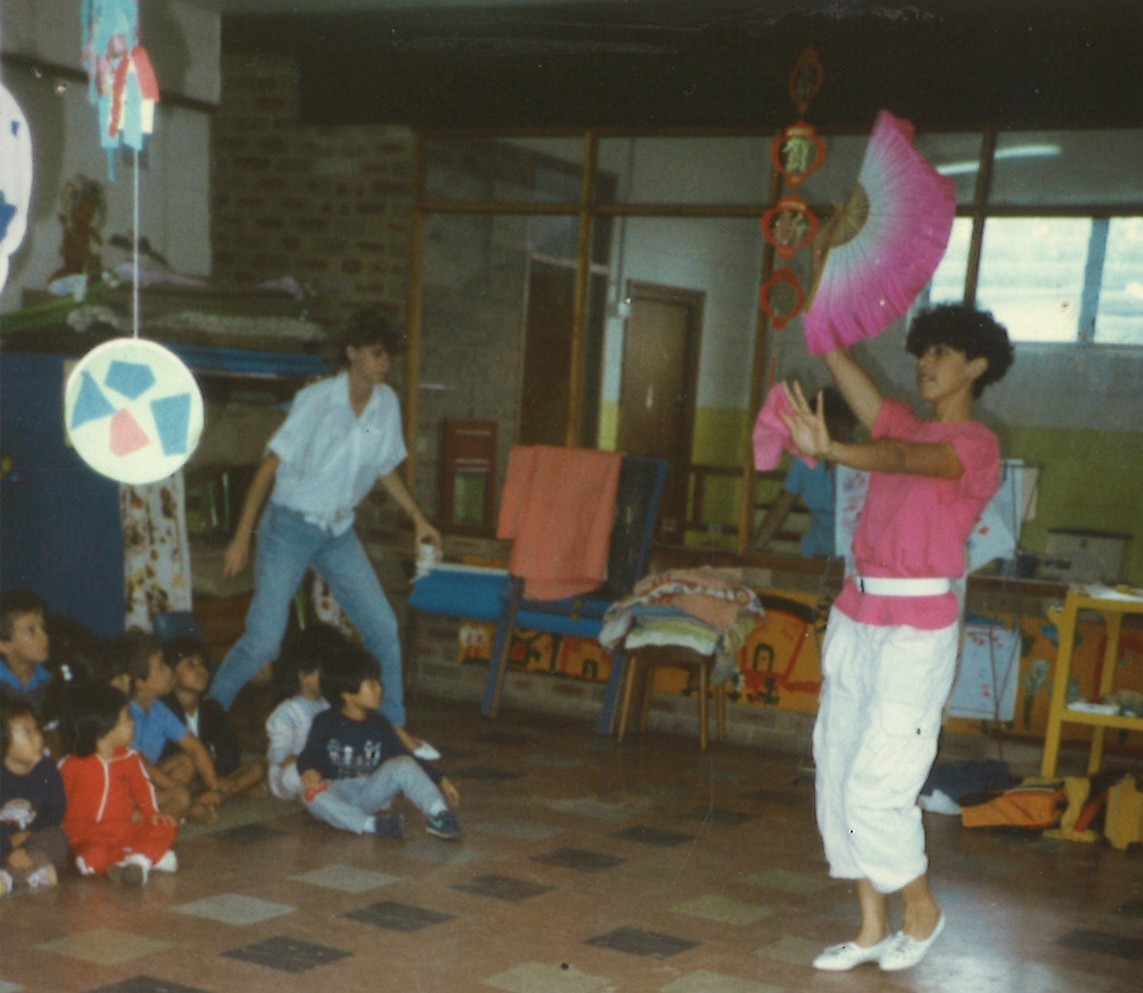
 

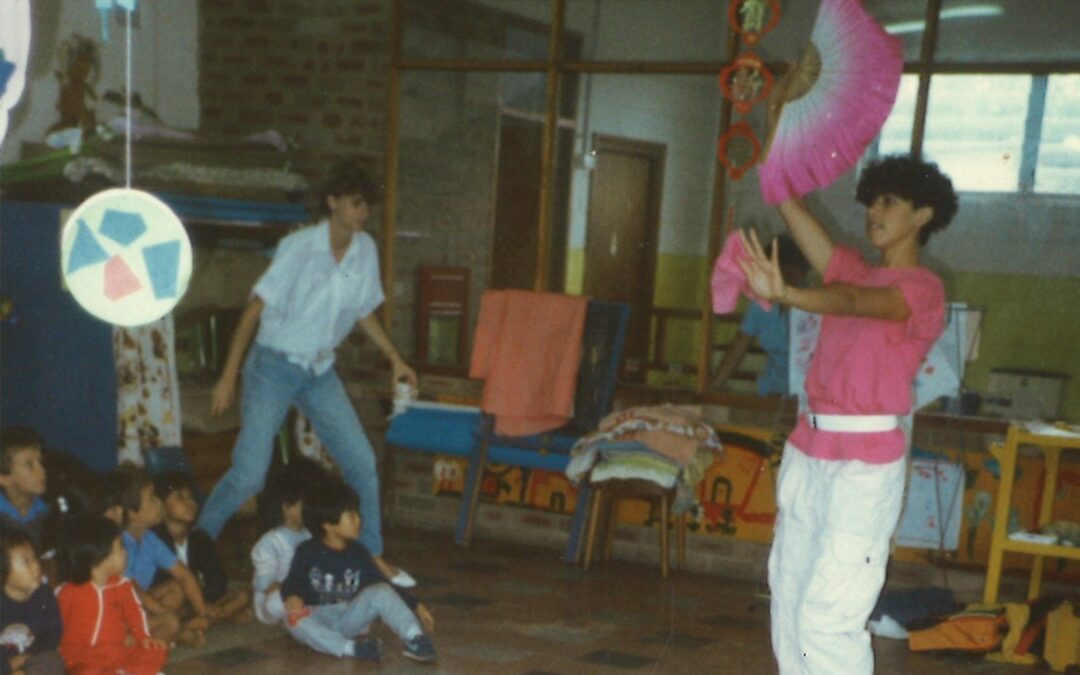
Campsie Child Care Centre commenced operation on 29 January 1985, providing long day care, before and after school care.

Owing to the low enrolment, the Society faced enormous financial pressure. The Federal department informed that since the Society was a not-for-profit organization, at the time, it could apply for operational subsidy from the state department. The Society managed to receive funding eventually.

After a few months of hard work, the number of children gradually increased, and the financial situation became more stable.

Suddenly one day, the Centre received a phone call from the Union, saying that they would visit the Centre for an inspection.

🤔What should the Society do? We will continue the story in the next article!
The Creative Potential Within the Ageing Community

The Creative Potential Within the Ageing Community

Art has the power not only to enrich our lives, but also to bring people together. It fosters conversation, encourages creativity and serves as a vital bridge that strengthens community connections.

Recently, with funding support from the City of Canterbury-Bankstown, CASS launched a Community Arts Project. Following the successful completion of the initiative, project coordinator Molly shared reflections on the program's activities and achievements.  

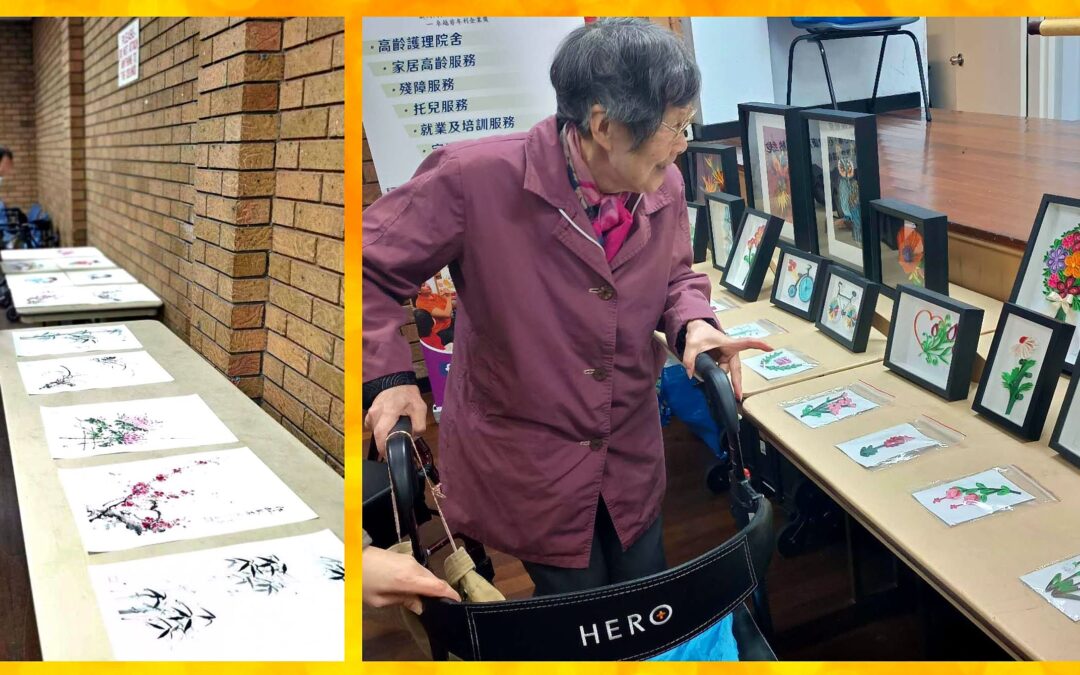
“We wanted to make art truly accessible and bring it into the heart of the community. We created an interactive creative space within the exhibition, where community members could experience the joy of artistic expression firsthand”, Molly explained.

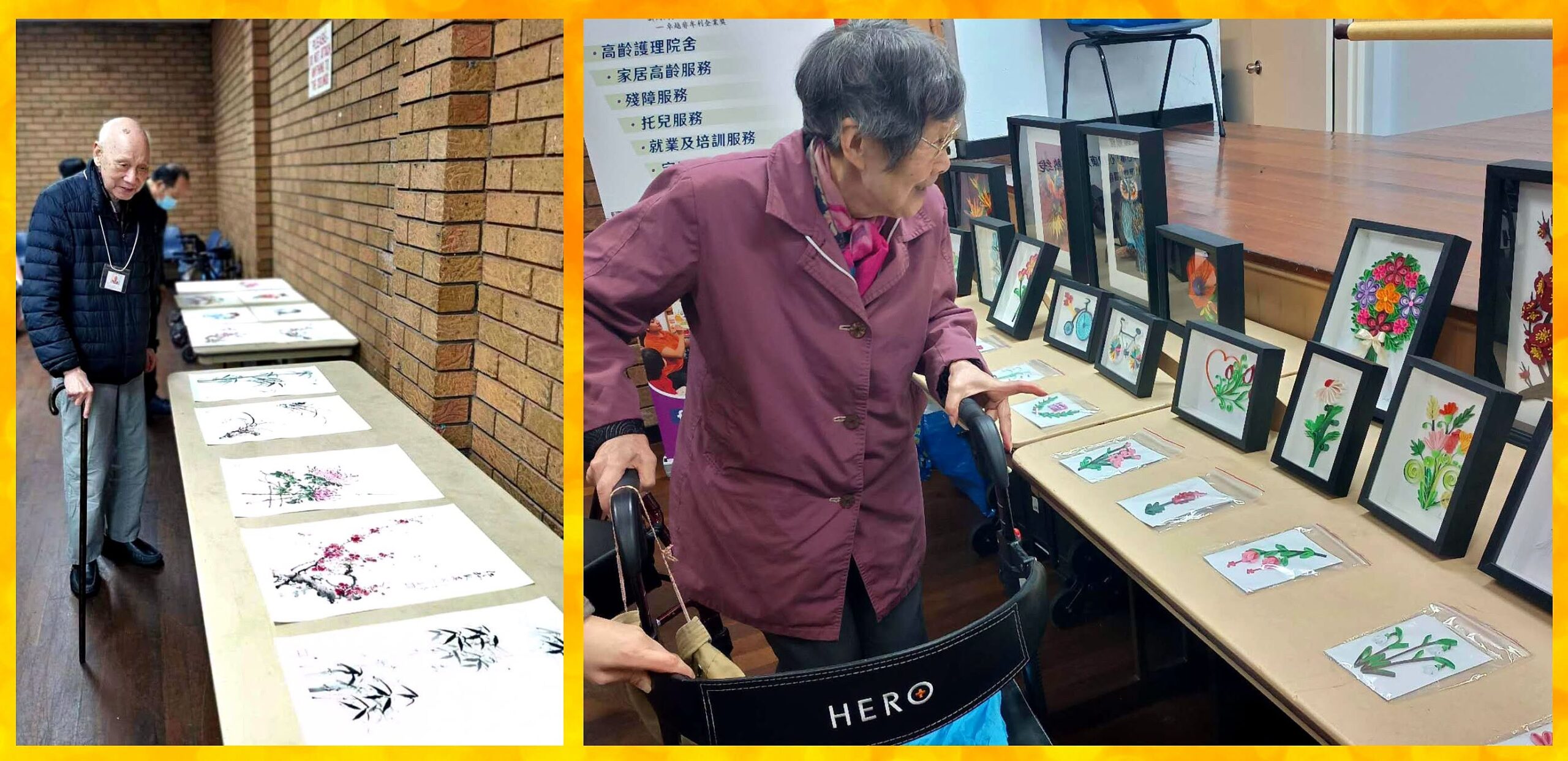
The project featured four unique workshops that combined traditional cultural heritage with contemporary creativity, including the elegant art of Chinese calligraphy, delicate paper quilling, imaginative chenille stem craft, and the refined craft of lacquer fan making.

“Community response was overwhelmingly positive from the outset. All four workshops reached capacity shortly after registrations opened, reflecting strong local interest in accessible arts and cultural activities,” Molly said.

Throughout the workshops, we saw participants move from curiosity and tentative first attempts to becoming completely immersed in the creative process. They produced unique and thoughtful artworks, and also discovered moments of calm, joy and friendship along the way.

“Many participants arrived feeling a little reserved, but they soon came out of their shells with the patient support of our facilitators and the encouragement of others in the group,” Molly recalled. “Seeing their artworks gradually take shape brought smiles of surprise and pride to their faces. One participant’s comment particularly stayed with me: ‘I never knew I could create art!’ That sense of self-belief and accomplishment was one of the most rewarding outcomes of the project.”

The program wrapped up with an exhibition showcasing participants’ artwork alongside pieces by the workshop instructors. Visitors from across local communities came to admire the displays, meet fellow community members. The venue was buzzing with creativity and appreciation, highlighting both the artistic talents and the untapped potential that exist within the local community.

Adding another special dimension to the event was a visit from residents of CASS Residential Aged Care Facilities.

“Accompanied by care staff, they were able to leave their usual surroundings, enjoy the exhibition and take part in hands-on creative activities. Seeing the smiles on their faces was incredibly rewarding,” said Molly.

Among the many heartwarming stories that emerged from the project, one stood out as particularly memorable. During the exhibition, an elderly attendee unexpectedly crossed paths with her sister and brother-in-law. The chance reunion was deeply emotional for both sisters and became one of the most touching moments of the day.

“That unexpected encounter perfectly captured an important aspect of the project’s theme. Beyond creativity and self-expression, art has the unique ability to connect people, strengthen relationships and bridge social isolation. Sometimes, it even creates moments that words alone cannot fully express,” explained Molly.

As the project drew to a close, it left behind far more than a collection of artworks. It cultivated confidence, nurtured friendships and strengthened community ties. Each creative experience planted a seed that has the potential to grow into lasting engagement, connection and belonging.

It is hoped that CASS will continue to deliver a diverse range of arts and cultural initiatives in the years ahead, providing opportunities for people of all backgrounds to connect, share experiences and contribute to an even more vibrant and cohesive multicultural community.

Respite Clubhouse Project: Building Support for People Living with Dementia and Their Carers in Multicultural Communities

Respite Clubhouse Project: Building Support for People Living with Dementia and Their Carers in Multicultural Communities

As the number of people living with dementia continues to rise across Australia, governments and community organisations have been investing in research and support programs tailored to multicultural communities. These initiatives aim to provide more comprehensive support for people living with dementia and the families who care for them.

In response to this growing need, CASS has launched the Respite Clubhouse Project, a program offering people living with dementia and their carers from culturally and linguistically diverse communities a free three-day experience, with optional overnight accommodation.

Following the successful completion of a pilot program for the Chinese community, a second pilot designed specifically for the Vietnamese community was recently delivered with equally positive outcomes.

Vivian, in our Multicultural Home Ageing Services unit, shared insights into the program and the impact it has had on participants.

“The project is built around the Clubhouse Care model, which places people at the centre of care,” Vivian explained. “It focuses on respecting each person’s individuality and promotes a non-intrusive, supportive approach. This philosophy guides every aspect of the program, ensuring that people living with dementia are not viewed simply as recipients of care, but as valued members of the community with strengths, abilities and the right to participate meaningfully in everyday life.”

Creative sessions such as arts and crafts, alongside practical activities including biscuit baking, provided opportunities for self-expression and imagination while stimulating the senses and supporting fine motor skills in a warm and familiar environment.

“These activities may seem simple, but they can play an important role in evoking positive emotions, stimulating memories and fostering a sense of achievement,” Vivian said.

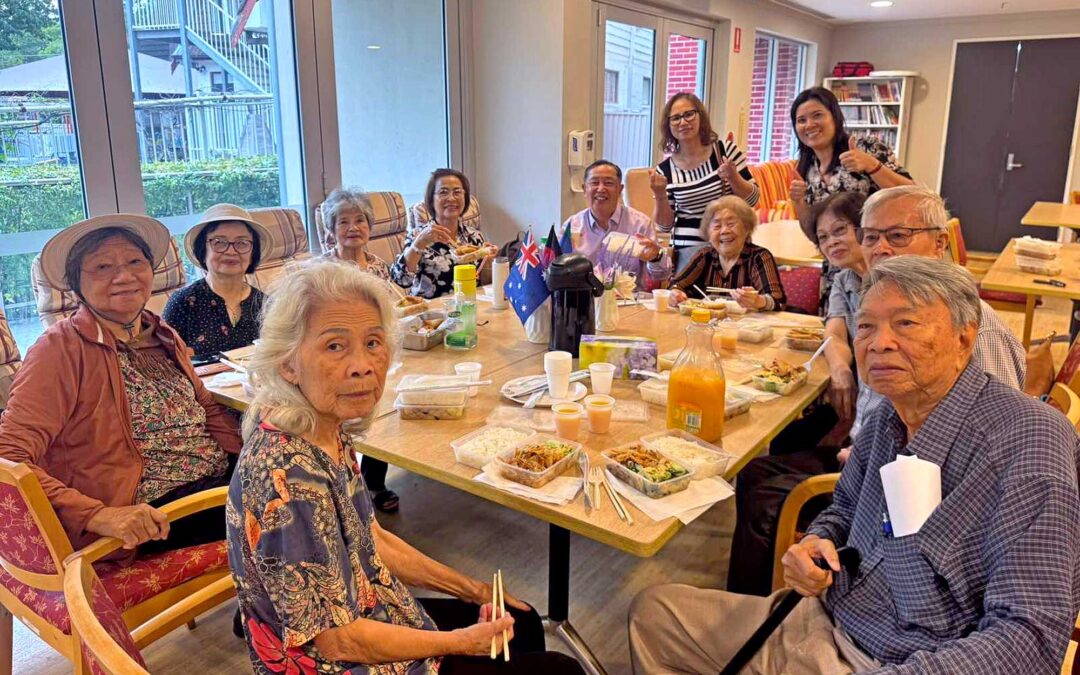
The program also included a visit to CASS Asquith Residential Aged Care Facility, giving participants and their carers the opportunity to explore a residential aged care setting and the available services and care options.

“This helped reduce some of the anxiety and uncertainty that people often feel when thinking about residential care,” Vivian noted. “It also built greater confidence and trust in the support services available to them.”

Another highlight of the program was a partnership with Dementia Australia, which delivered an immersive learning session using virtual reality (VR) technology. Through this experience, carers were able to experience simulated day-to-day situations from the perspective of a person living with dementia.

“The VR experience deepened carers’ understanding and empathy,” Vivian explained. “It also provided practical strategies and skills that they can use to better support their loved ones at home.”

Social connection and physical wellbeing were also key components of the program. Group activities and gentle exercise sessions encouraged participants to interact, build friendships and stay active, while also supporting cognitive function and emotional health.

“For many people living with dementia, social isolation can be one of the greatest challenges. The Respite Clubhouse created a safe, welcoming and culturally responsive environment where participants could connect with others who shared similar life experiences, helping to reduce feelings of loneliness and exclusion,” said Vivian.

“The feedback from participants was overwhelmingly positive,” Vivian continued. “One attendee remarked that they had ‘eaten well, slept well and felt at ease throughout the program.’ Equally important was the opportunity to spend time with others who shared their language and culture, creating a sense of understanding and acceptance that is often difficult to find. For many participants, this feeling of belonging proved just as important as the activities themselves."

Reflecting on the program’s success, Vivian said, “The Respite Clubhouse Project has delivered significant benefits for the Vietnamese community. It was a unique and meaningful experience that supported participants’ physical and emotional wellbeing while strengthening social connections and independence. We hope to expand the program to other multicultural communities in the future, so that more families can benefit from this valuable support.”

CASS Chinese School Students Shine as Bilingual MCs

CASS Chinese School Students Shine as Bilingual MCs

In multicultural Australia, community language schools do far more than teach language skills. They provide young people with opportunities to build confidence, develop public speaking abilities, and strengthen their connection to cultural heritage.

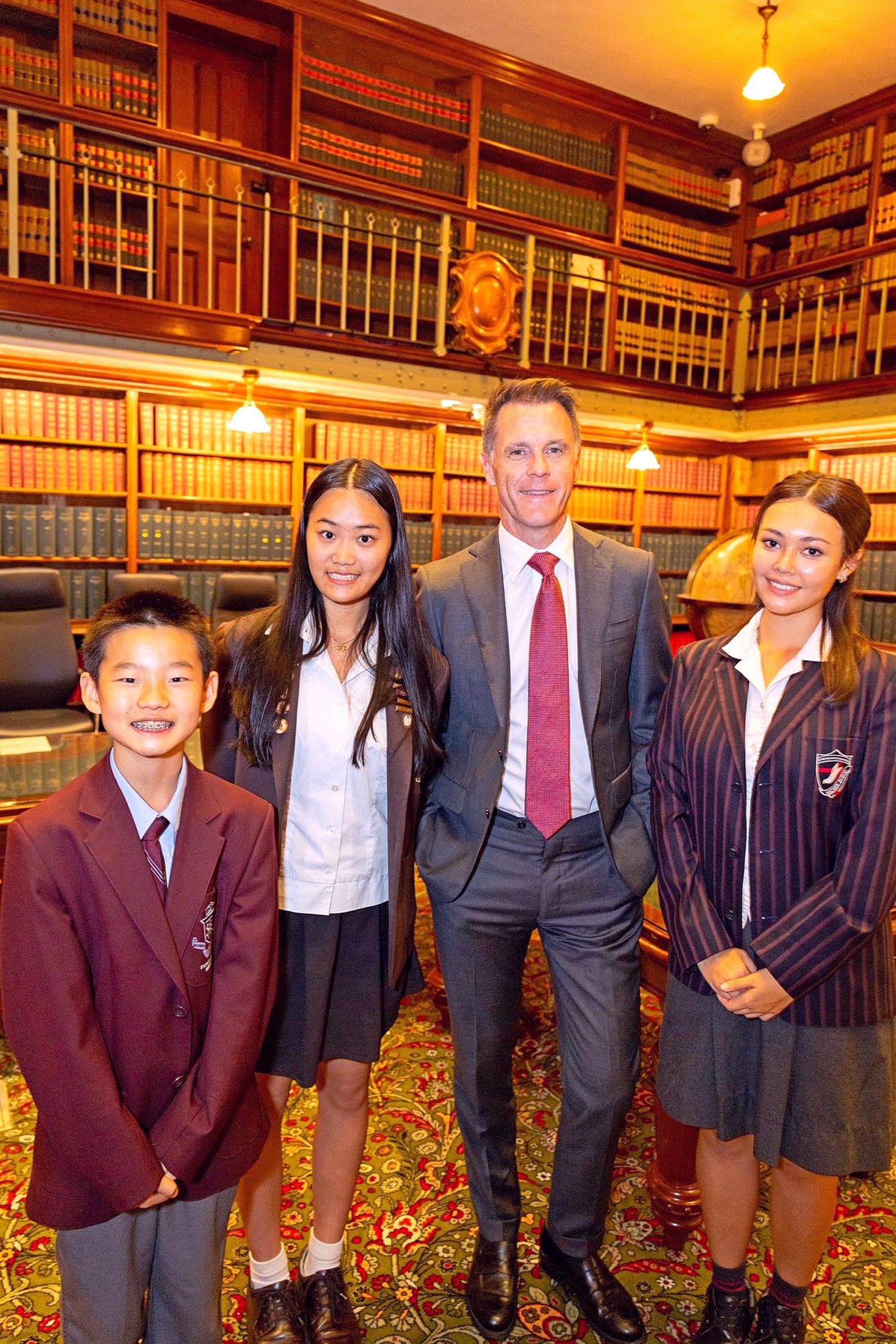
Recently, I attended the Lunar New Year Card Design Competition Awards Ceremony hosted by the office of the Hon Chris Minns MP, Premier of New South Wales. Conducted in both English and Chinese, the event was emceed by three students from CASS Chinese School, who impressed guests with their poise, professionalism and bilingual communication skills.

The students were coached by teachers Ms Wang and Ms Wei from the Kogarah campus of CASS Chinese School. Reflecting on the experience, Ms Wang said, “Both students and teachers took this opportunity very seriously. A selection process was conducted across multiple campuses, with candidates assessed on their stage presence, presentation skills and language proficiency. After careful consideration, students Elena Wills, Diane Song, and Vinfred Chen were chosen to take on the responsibility of co-hosting the event in both English and Chinese.”

Ms Wang explained that the students spent weeks refining the script and rehearsing extensively. “On the day, they performed exceptionally well and were complimented by the Premier, guests and parents alike. A number of attendees were keen to learn more about the CASS Chinese school the students attended and their learning journey, which was a wonderful reflection of the value of community language education.”

Ms Wei still speaks proudly of the occasion. “Standing under the spotlight in front of senior government representatives and distinguished guests can be daunting, but the students showed remarkable confidence,” she said. “Diane spoke with clarity and composure, while Vinfred and Elena handled unexpected moments with quick thinking and light-hearted bilingual exchanges. The warm applause from the audience was a testament to their efforts.”

Later, I met Diane and her mother, Ms Zheng, at the Chinese school and asked about the experience.

“Although we had a detailed script, there were still unexpected situations that required us to think on our feet,” Diane recalled. “I’m especially grateful to our teachers, who gave up their personal time to rehearse with us and worked through the script line by line, helping us improve our pronunciation and delivery.”

When asked how she managed her nerves, Diane credited the school’s long-standing focus on public speaking opportunities.

“Our school regularly encourages students to participate in speech and recitation competitions. Through repeated practice and performance experience, I’ve gradually become more confident speaking in front of an audience. The strong foundation in Chinese that I developed over many years, together with plenty of preparation, allowed me to perform confidently on the day. It was a valuable experience that strengthened both my communication skills and my confidence in handling large public events.”

Beside her, Ms Zheng smiled as she reflected on her daughter’s journey.

“My daughter has been attending Chinese school since she was young and has never stopped learning,” she said. In New South Wales, Learning Chinese can contribute positively to a student’s ATAR results, so she has chosen it as one of her Higher School Certificate (HSC) subjects. Attending weekend classes does require commitment, but seeing the language skills and confidence she has developed makes it well worthwhile.”

Ms Zheng also shared a broader observation. “I’ve noticed that many second-generation migrants only come to appreciate the value of Chinese later in life. Some regret not being able to communicate fluently in the language despite their cultural background. I encourage parents to continue supporting their children’s language learning and to work closely with teachers. A strong foundation in language and culture can open many doors in the future.”

Through these conversations, it became clear that language learning is a long-term commitment that depends on the combined efforts of students, parents and teachers. For the students at CASS Chinese School, the benefits extend well beyond the classroom. Their experiences demonstrate how community language education can help young people develop not only language proficiency, but also confidence, resilience and the skills to thrive in an increasingly interconnected world.

Community Voices Behind the Co-Design Workshops with R U OK?

Community Voices Behind the Co-Design Workshops with R U OK?

In today’s fast-paced world, the pressures of study, work and family responsibilities can leave little room to talk openly about our emotional wellbeing. Many people carry their worries quietly, choosing to cope on their own rather than share what they are going through. As a result, mental health remains an important issue that is often overlooked, despite its impact on individuals, families and communities.

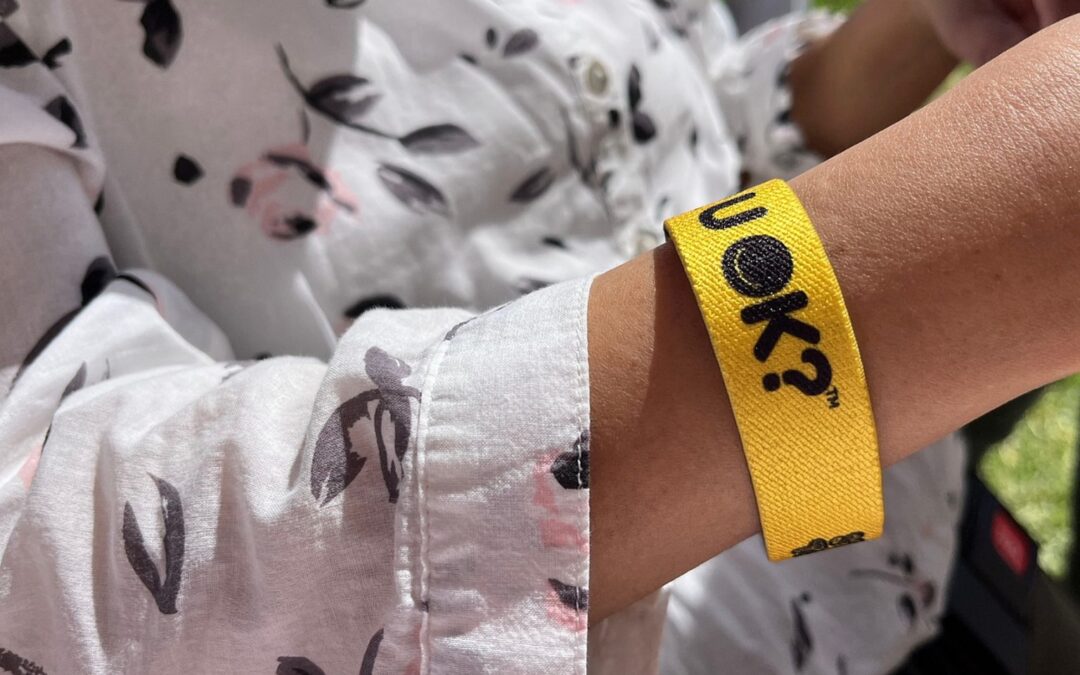
In Australia, the phrase “R U OK?” has become a familiar reminder of the importance of checking in on one another. The message is simple: a genuine “Are you okay?” can open the door to an important conversation. For someone going through a difficult time, that small act of reaching out may be the first step towards sharing their concerns and seeking support.

What many people may not realise is that R U OK? is also the name of a national suicide prevention and mental wellbeing promotion organisation. Since launching the H-Line Non-Crisis Hotline in 2021, CASS has encouraged multicultural community members to speak up when facing stress, anxiety or emotional difficulties, rather than struggling in silence.

This year, CASS partnered with R U OK? to further support the mental wellbeing of the Chinese community. Together, we hosted four Chinese-language co-design workshops, bringing together community members with lived experience from diverse backgrounds to discuss how mental health support can be made more accessible and relevant for those who need it most.

One of our workshop organisers, Robin from Community Social Support Services unit, shared some insights from the workshops. “The aim wasn’t for experts to conduct one way communication and tell people what they should do,” she said. “We wanted to create a space where people of different ages, backgrounds and life experiences could speak openly about the pressures they face, the challenges they have experienced, and the kinds of support they believe would make a difference.”

Robin continued, “The workshops brought together a diverse group of participants, including international students, migrants, professionals and family carers. Sitting around the same table, they listened to one another, shared their experiences and explored practical ways to encourage supportive conversations within the community.”

According to Robin, representatives from R U OK? welcomed the community engagement and the opportunity to hear directly from members of our Chinese community.

“They heard about the pressures that people don't often talk about publicly, the emotional struggles that can be difficult to express, and the unique challenges that people from multicultural communities may face when seeking support. These conversations provided valuable insights that can help shape future programs and make mental health initiatives more relevant and accessible for multicultural communities.”

One of our team members shared that many participants reflected deeply on the experience during the workshops. Some shared that in Chinese culture, people often endure hardships quietly and carry burdens on their own—even under intense study or work pressures—while neglecting their mental health.

The series of workshop also left a strong impression on participants. “Many commented that Chinese community are often taught to work hard, preserve, and hold all problems in,” Robin said. “Even when facing significant pressures from study, work or family life, they may put their own mental wellbeing last. Participants felt that the workshops challenged the idea that talking about emotions is a sign of weakness, and showed that the warmth of supporting one another can be a natural part of everyday life. They expressed their hope that similar programs would continue to be offered across the community, helping more people feel comfortable seeking help when needed.”

A kind word or friendly greeting can go a long way in bringing people together. It can help those who are feeling isolated know that they are seen, heard and supported. Looking ahead, we hope to continue delivering mental health awareness initiatives across diverse multicultural communities, contributing to a more inclusive and connected society.