#025 Organising “Dragon Charity Walk 92” (Part 4)

#025 Organising “Dragon Charity Walk 92” (Part 4)

On 6 September 1992, our Society organized the “Dragon Charity Walk 92” for the first time at Darling Harbour to raise funds for Elderly Australian Chinese Homes Co-operative Ltd (EACH). Notwithstanding in terms of its scale, the number of participants involved or the amount of funds raised, the event was unprecedented in the Chinese community.

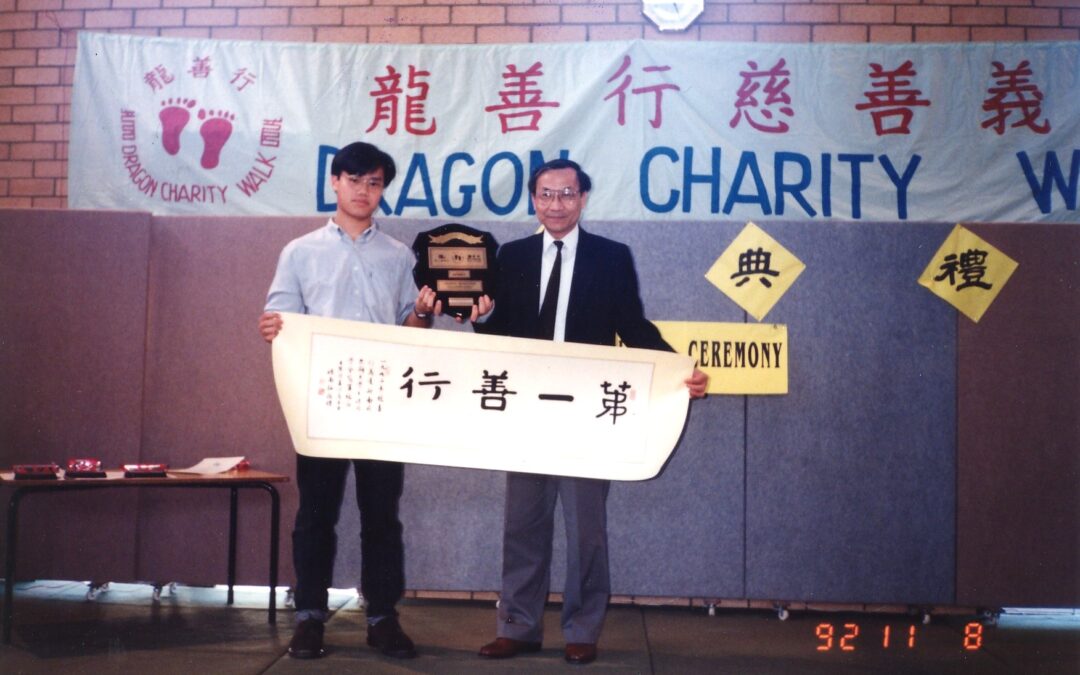
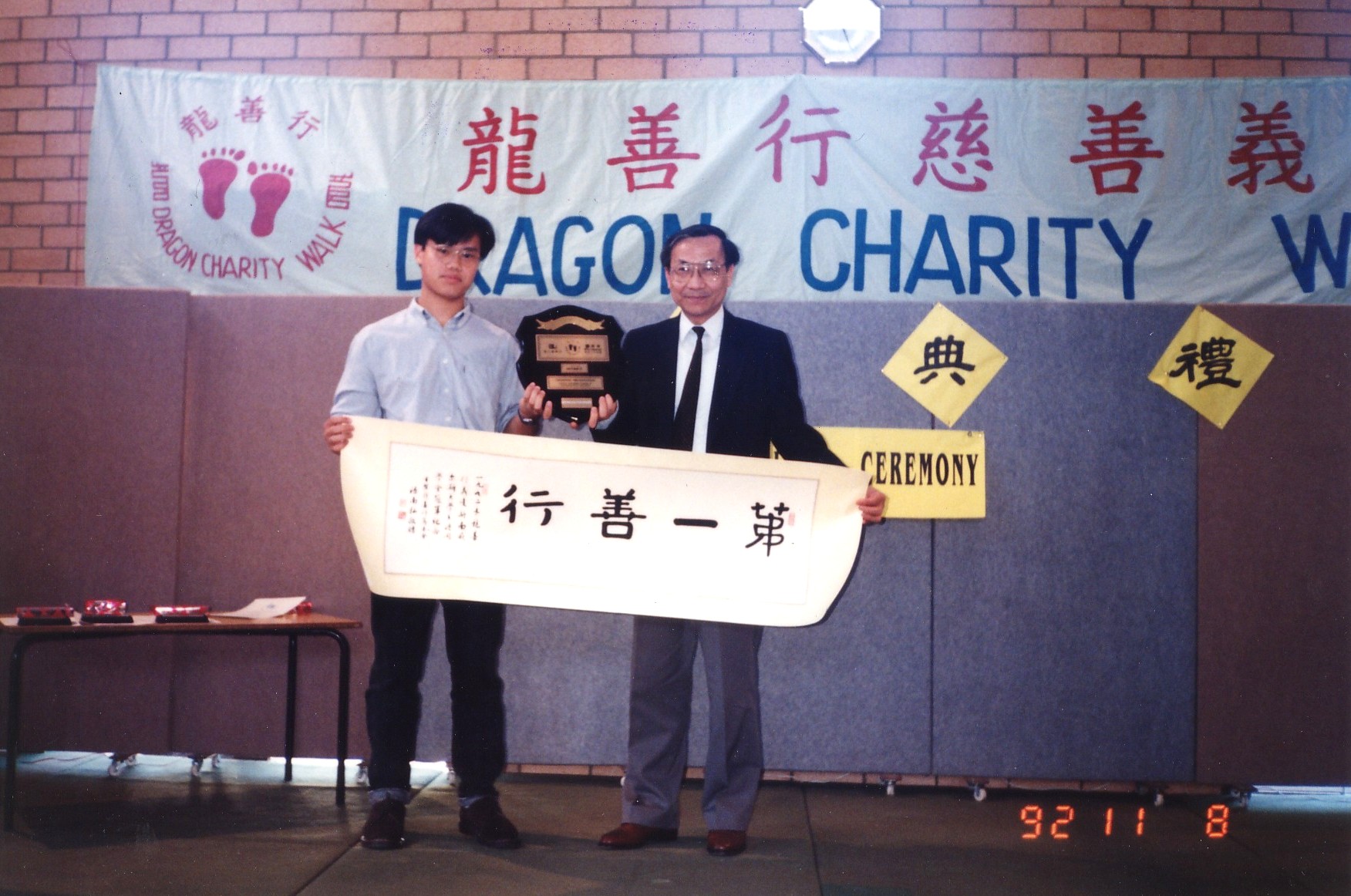
A presentation ceremony was held at our Society’s Campsie Activity Centre two months later, on 8 November 1992, to present certificates to those enthusiastic participants, business sponsors and prize winners. The Chairperson of EACH, Dr Cecilia Fong, who was also the Deputy Chairperson of our Society at the time, received the cheque of $52,000 from Henry at the ceremony.
With the success of ‘Dragon Charity Walk 92’, many people were looking forward to ‘Dragon Charity Walk 93’. Community support for aged care services was also very high. The main sponsor of the event, Po Hong Group of Companies, indicated its willingness to continue support.

Since our Society undertook the “EACH Project” in 1989, close to $120,000 had already been raised, not far from the original target of $140,000.

Most Board directors of our Society believed that when the target fund for EACH was fulfilled after “Dragon Charity Walk 93”, attention should return to the development of our Society.
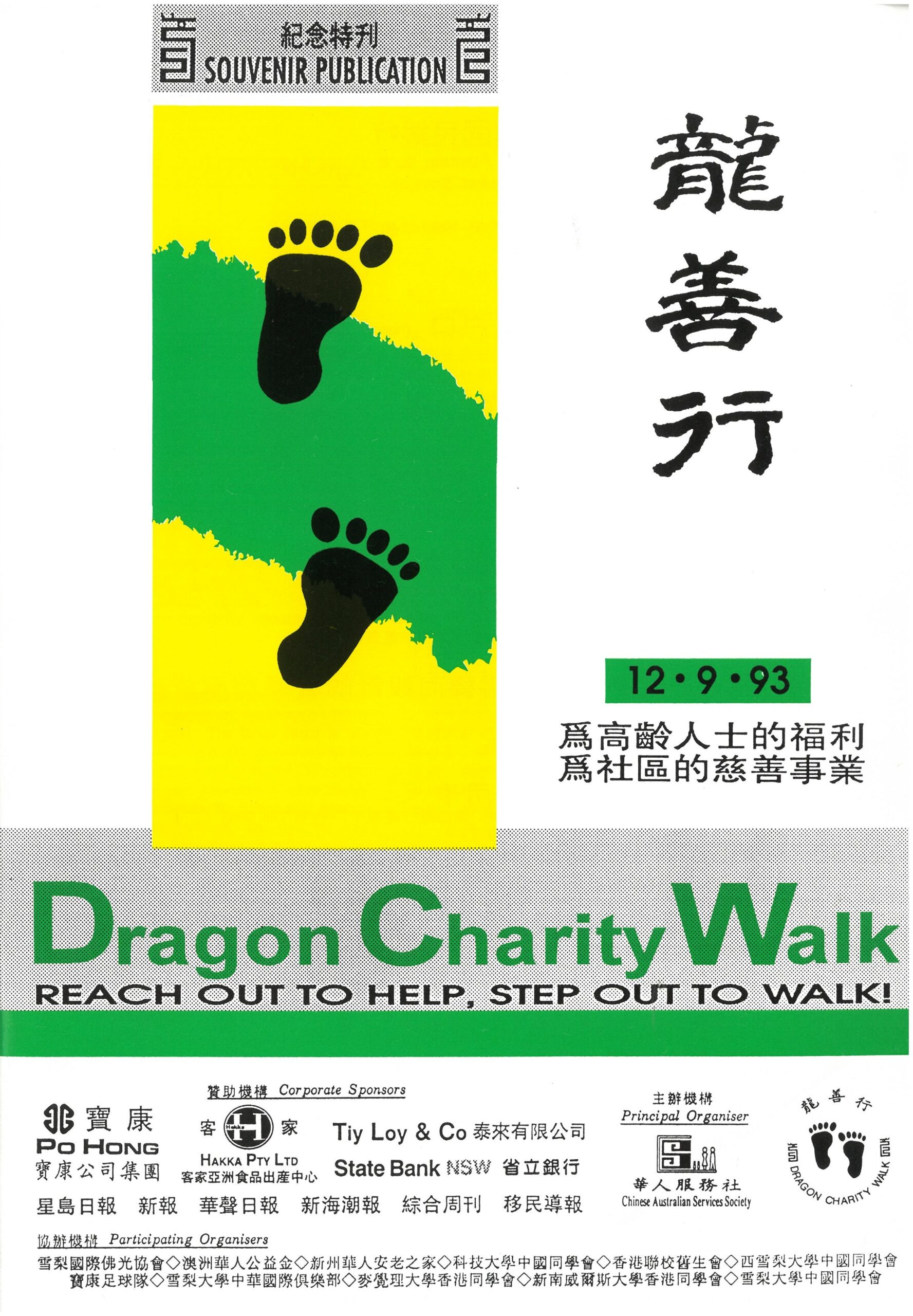
With the success of ‘Dragon Charity Walk 92’, many people were looking forward to ‘Dragon Charity Walk 93’. Community support for aged care services was also very high. The main sponsor of the event, Po Hong Group of Companies, indicated its willingness to continue support.

Since our Society undertook the “EACH Project” in 1989, close to $120,000 had already been raised, not far from the original target of $140,000.

Most Board directors of our Society believed that when the target fund for EACH was fulfilled after “Dragon Charity Walk 93”, attention should return to the development of our Society.

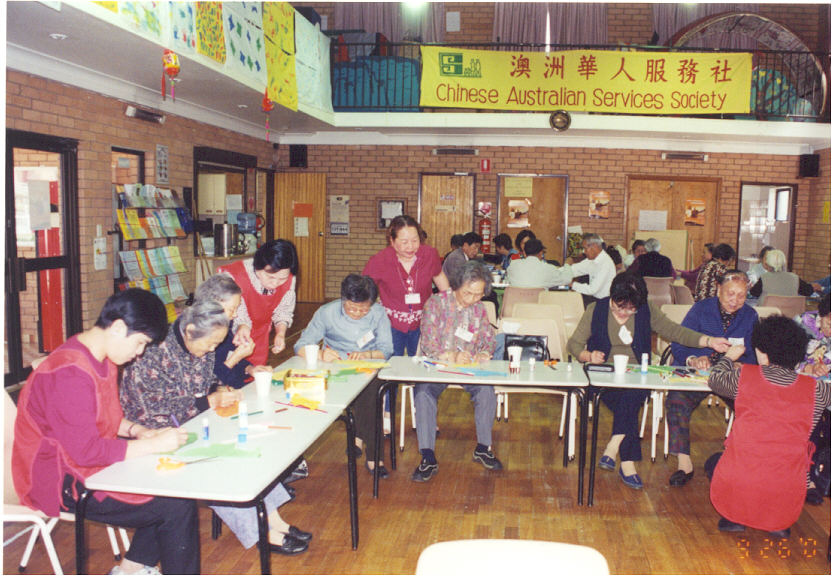
In early 1993, our Society employed a manager to oversee its daily affairs. Henry was contemplating the development of our Society. He realised that there was an urgent need for more aged care services in the community. In this regard, our Society started the “Hua-An Senior Activity Group”. “Hua” represented our Society while “An” represented “EACH”, symbolized the partnership between the two organizations.
On the other hand, Henry felt that “Dragon Charity Walk 93” would definitely raise enough funds for EACH and should donate part of the money raised to the children’s hospital. There was objection and the person insisted that all funds raised should be donated to EACH.

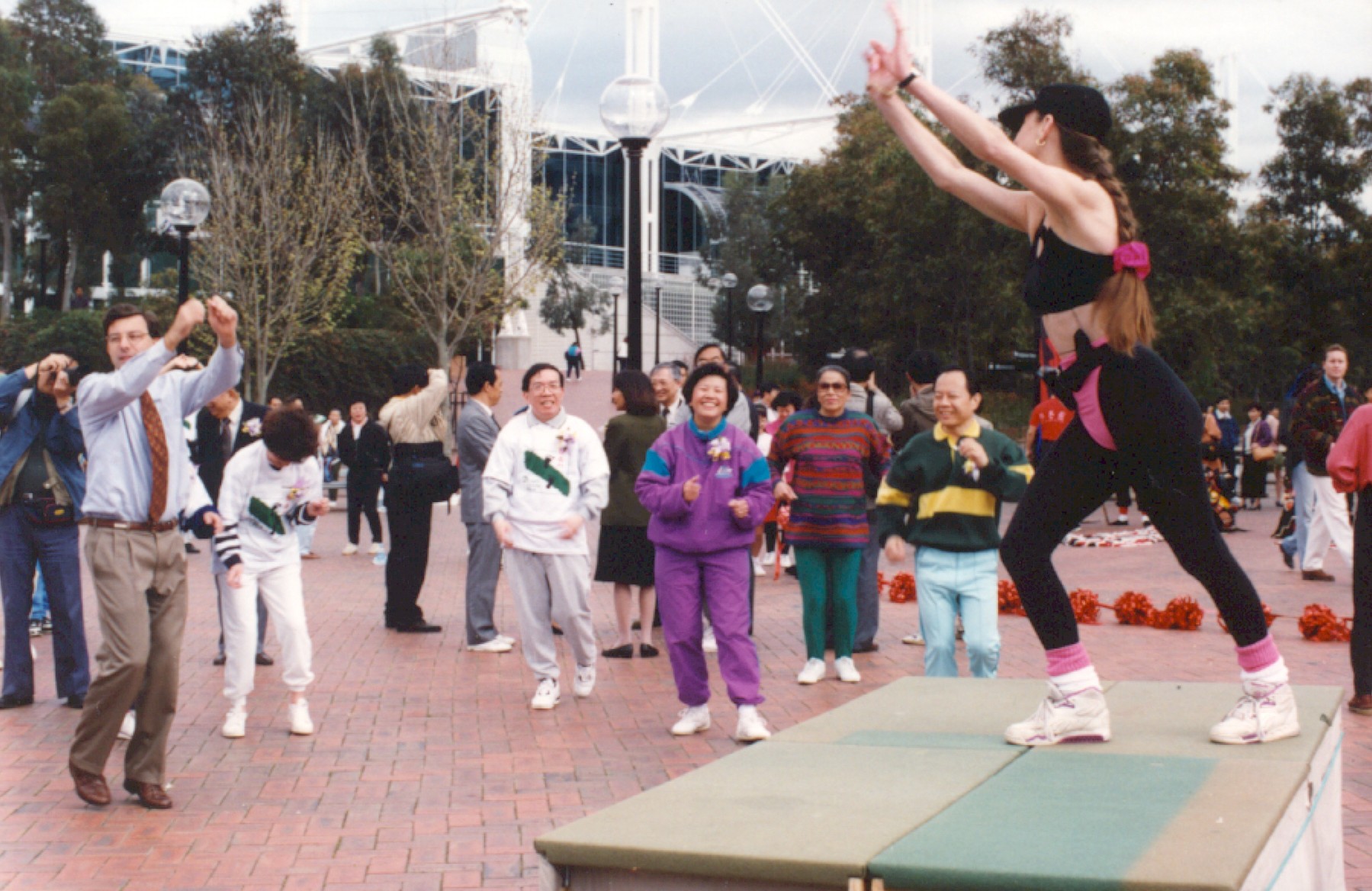
“Dragon Charity Walk 93” was held on 12 September 1993. Mr. Michael Photios, NSW Minister for Multicultural Affairs representing the Premier, the wife of the Premier and the wife of the leader of the State Opposition attended the event. Exercise coach, Ms Julie Diamond, once again led the participants to do warm-ups. Mr Francis Lee, Ms Chen Jian and Mr Ernest Wong were the Masters of Ceremony.
While “Dragon Charity Walk 93” followed the successful structure of the previous year, the scale of the event and community participation fell short of its previous performance due to the appearance of differences among Board directors of our Society and EACH. The number of participants and sponsors was half of the previous year. Eventually, a total of $30,000 was raised, and $3,000 was donated to the children's hospital.
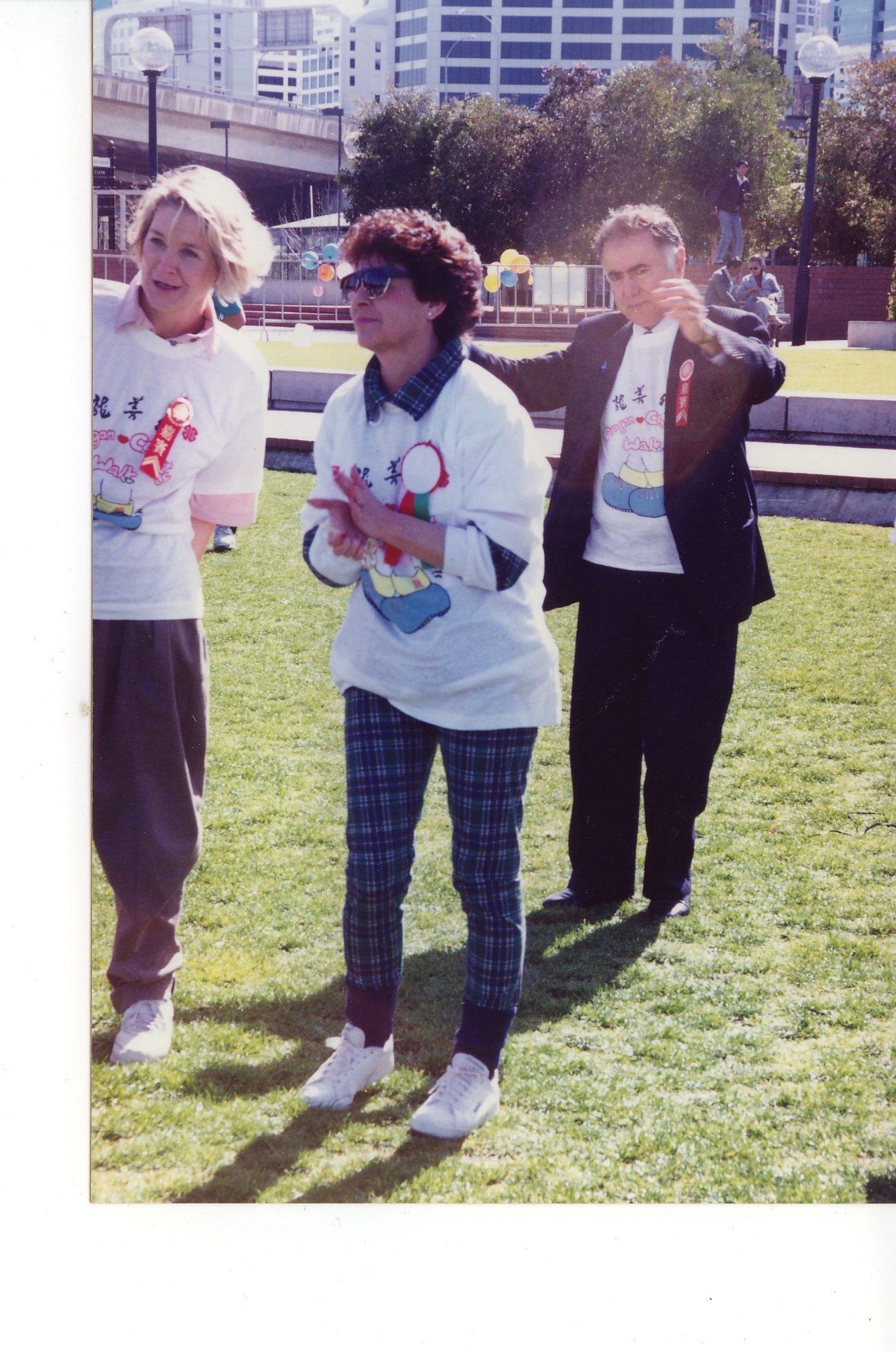
The regrettable situation led Henry to reconsider the relationship between the two organizations. When our Society undertook the “EACH Project”, the thinking was that EACH would be part of our Society serving the seniors. However, when some people spreading the view that “the two organisations are separate, and the Society should continue directing all energy to assist EACH; the Society should just operate child care services and there is no need for the Society to further develop in other services”. This thinking was certainly working against the interests of our Society.

It was in 1995 that our Society held the “Dragon Charity Walk” again. However, the aim, the format and scale were not the same.

🤔What would the future development of our Society be like? There is more to share in the next article.
#024 Organising Dragon Chairty Walk 92 (Part 3)

#024 Organising Dragon Chairty Walk 92 (Part 3)

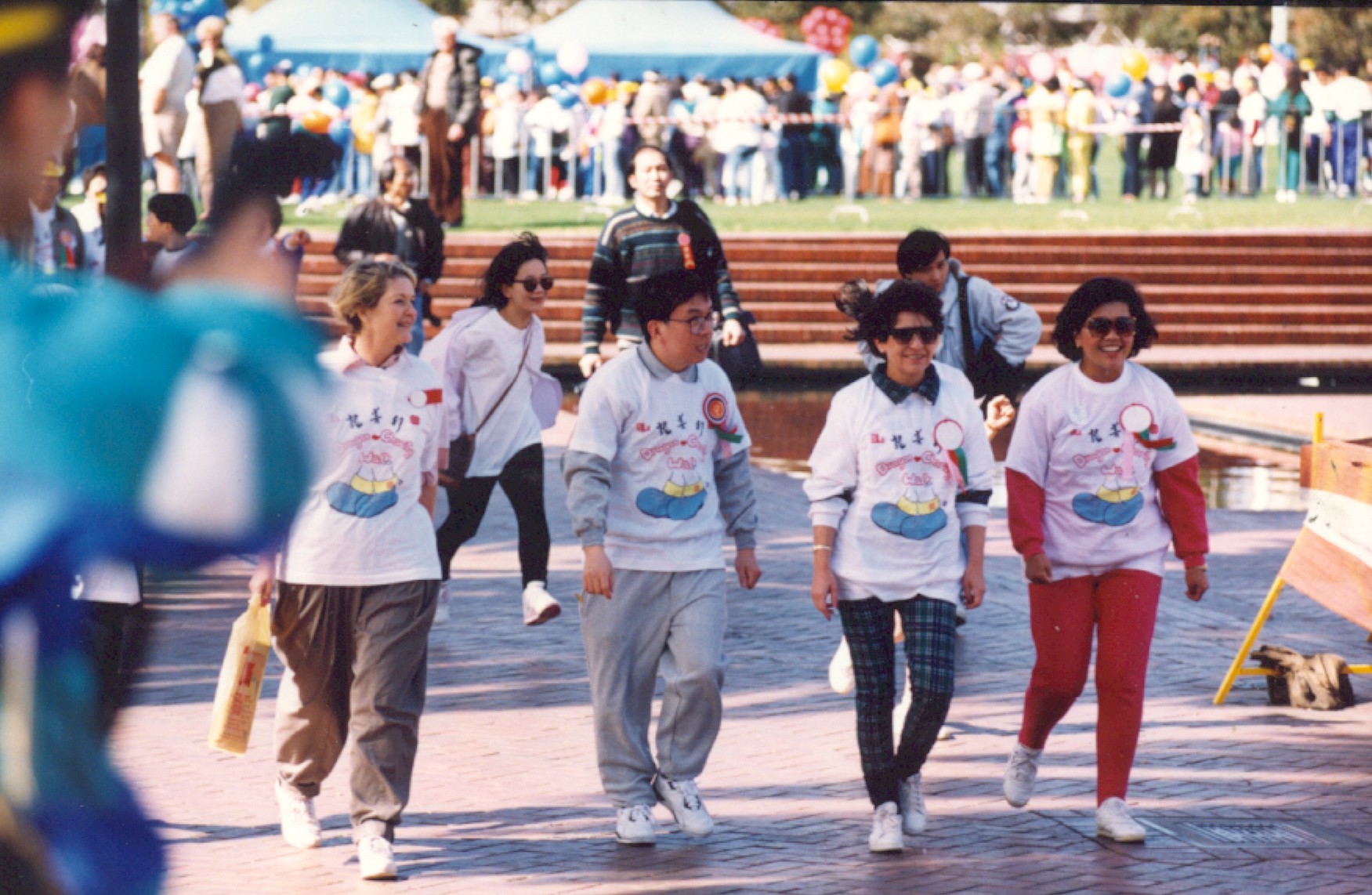
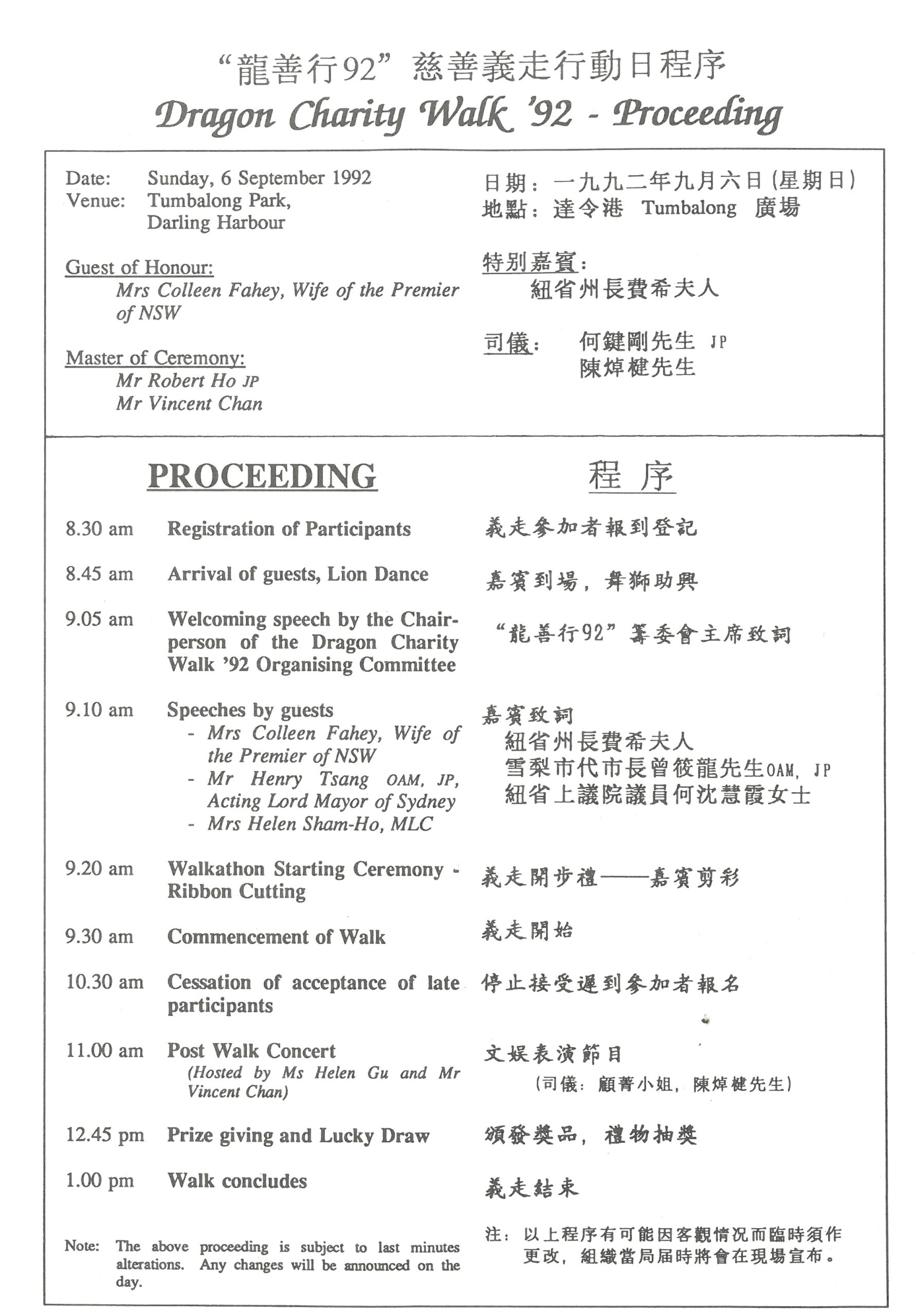
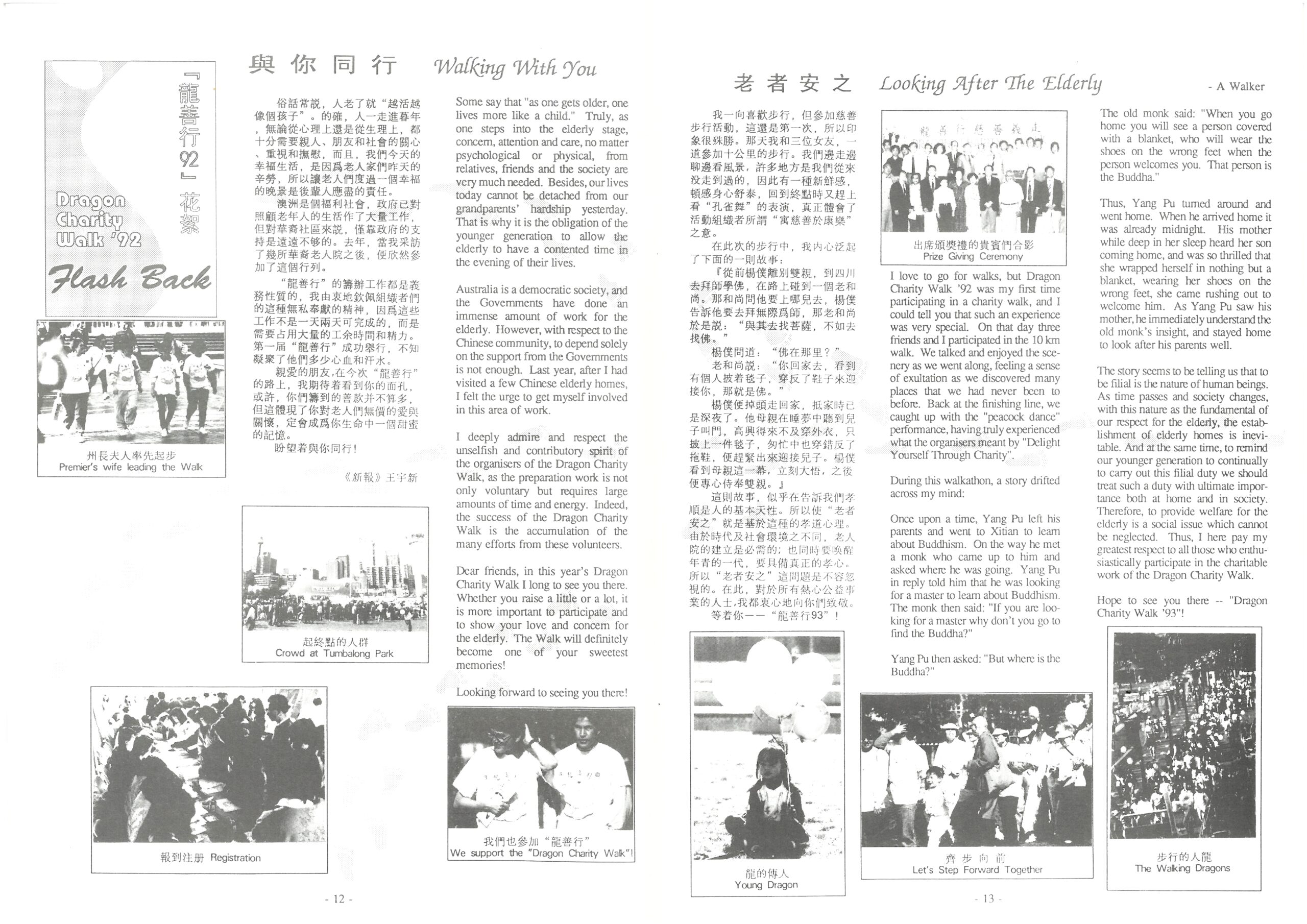
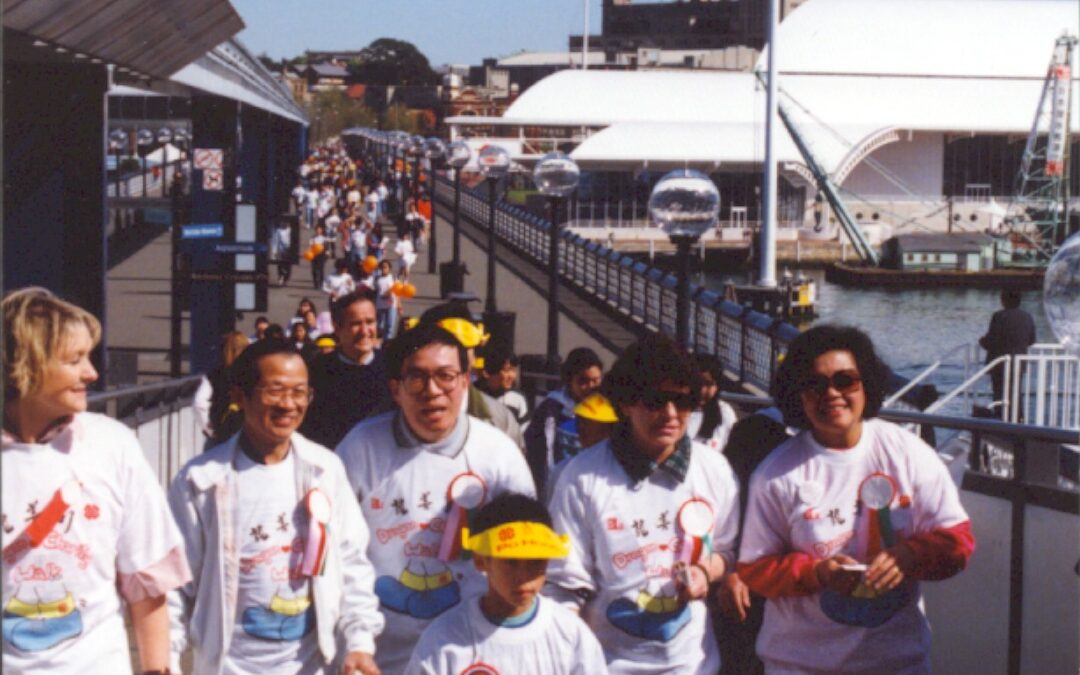
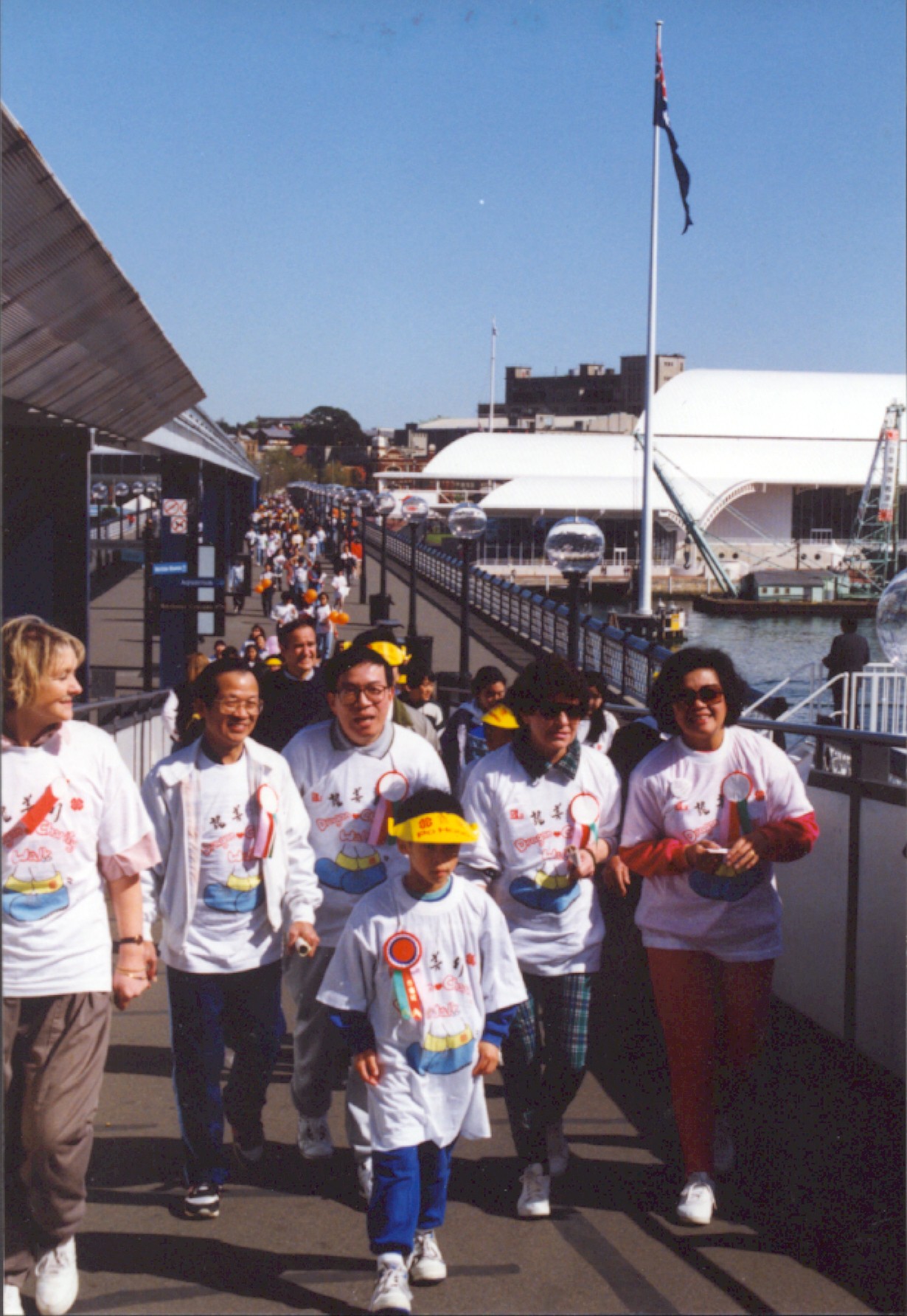
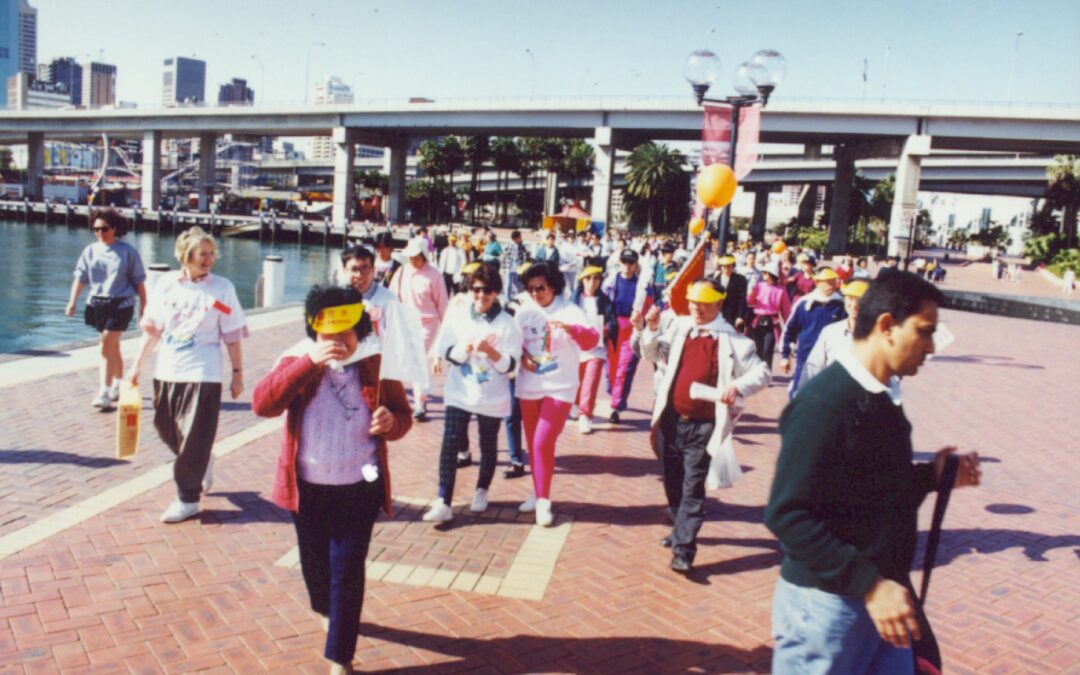
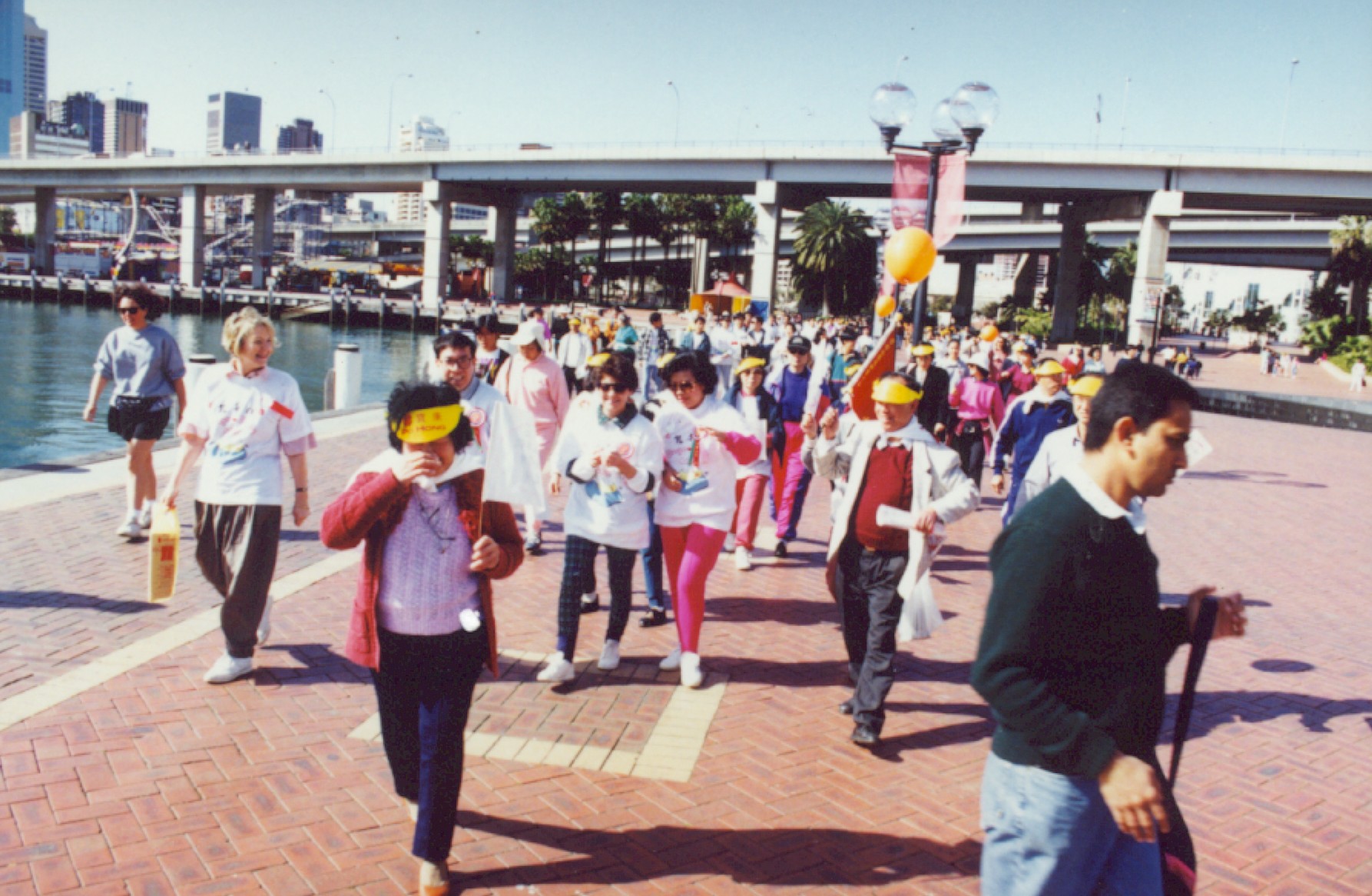
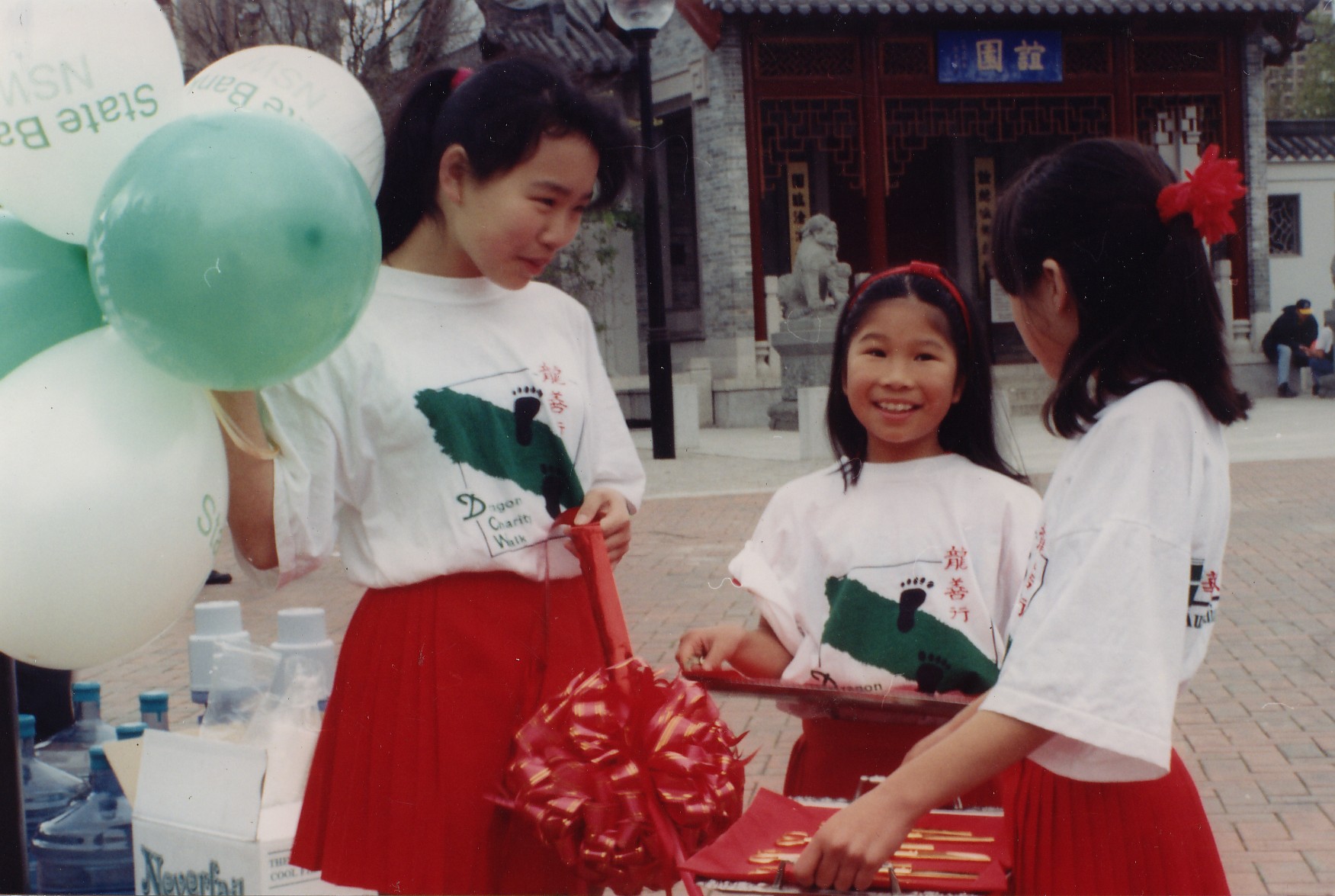
It was Sunday, 6 September 1992. The weather was pleasant and sunny. The gleams of the morning sun shone brightly on the lawn of the Tumbalong Park in Darling Harbour. It was the day where the “Dragon Charity Walk 92” organised by our Society was held. The event was a new attempt in the Chinese community and created strong interests and positive response. Many people participated in the walk, joined as volunteers or assisted with finding sponsors. Henry, who proposed the idea, was enthusiastically committed to the complicated organisational and preparational work. All those involved held the same belief: they must raise funds for Elderly Australian Chinese Homes Co-operative Ltd. (EACH).

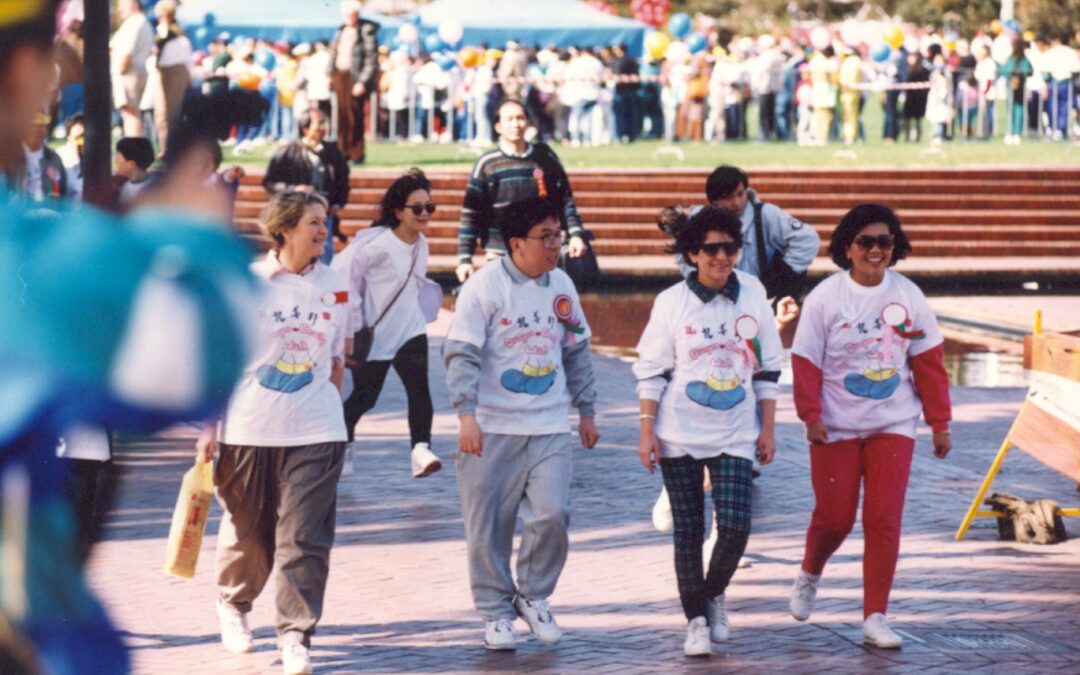
Participants began arriving at the Tumbalong Park at around 8:30am. They each carried a ‘sponsor card’, with the names of their sponsors and the amount sponsored per kilometre. Each card had an identification number and would be used for lucky draw after the walk.

There were around 600 participants. Together with over 100 volunteers, forming a huge crowd at the park.

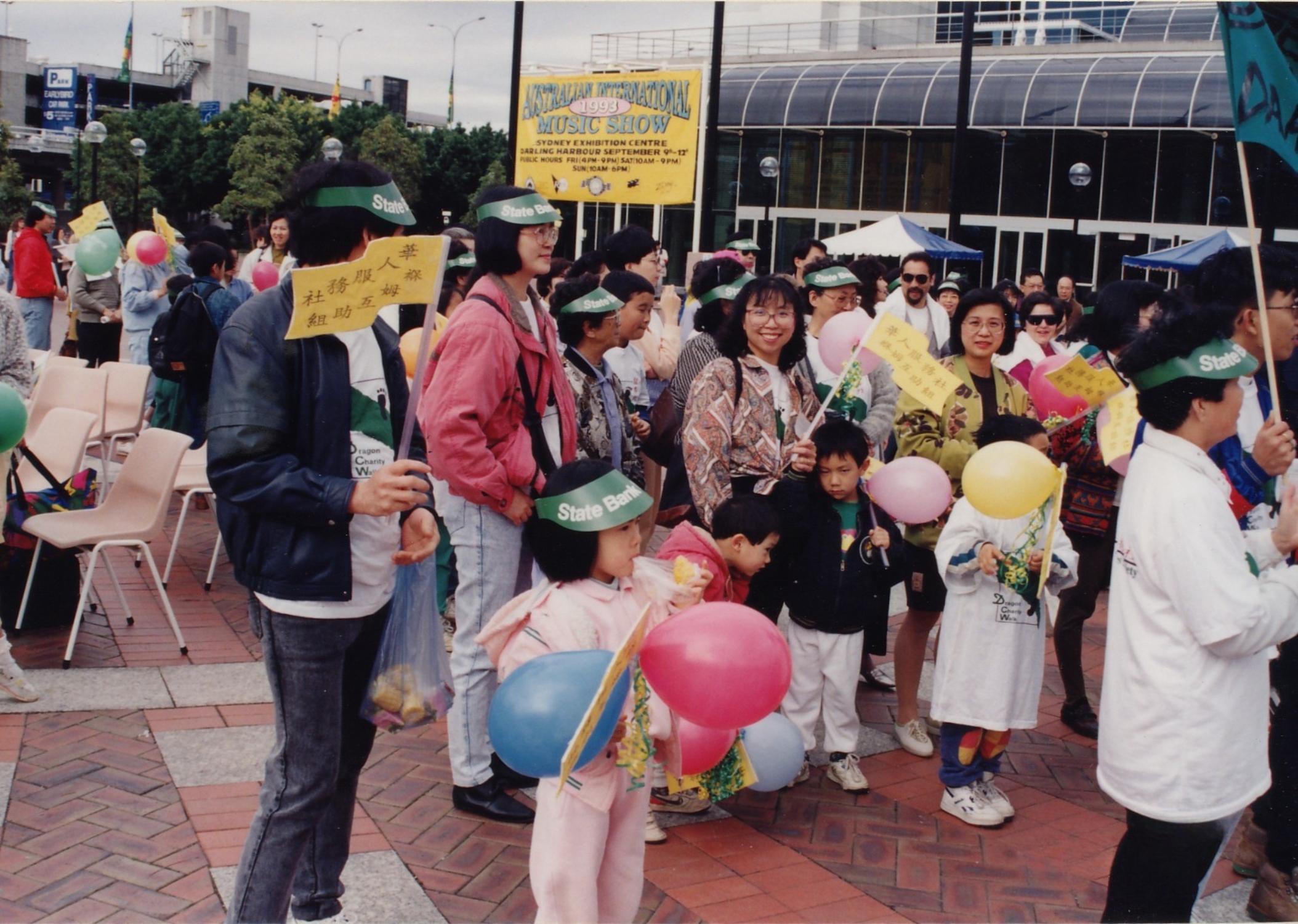
There were many familiar faces in the crowd: parents and children of Campsie Child Care Centre, children’s drama classes, Chinese Youth League and Sydney Chinese School. The most eye-catching scene was the bright yellow flag of the “Carers’ Self-Help Group of Chinese Family Day Care”. Though the service was not a formal family day care scheme yet, our Society had been assisting Chinese women to get into the family day care (FDC) industry since 1982. Our Society was like a family to the carers. The FDC carers brought their families and children to support the fundraising event, totalling over 200 participants among them.

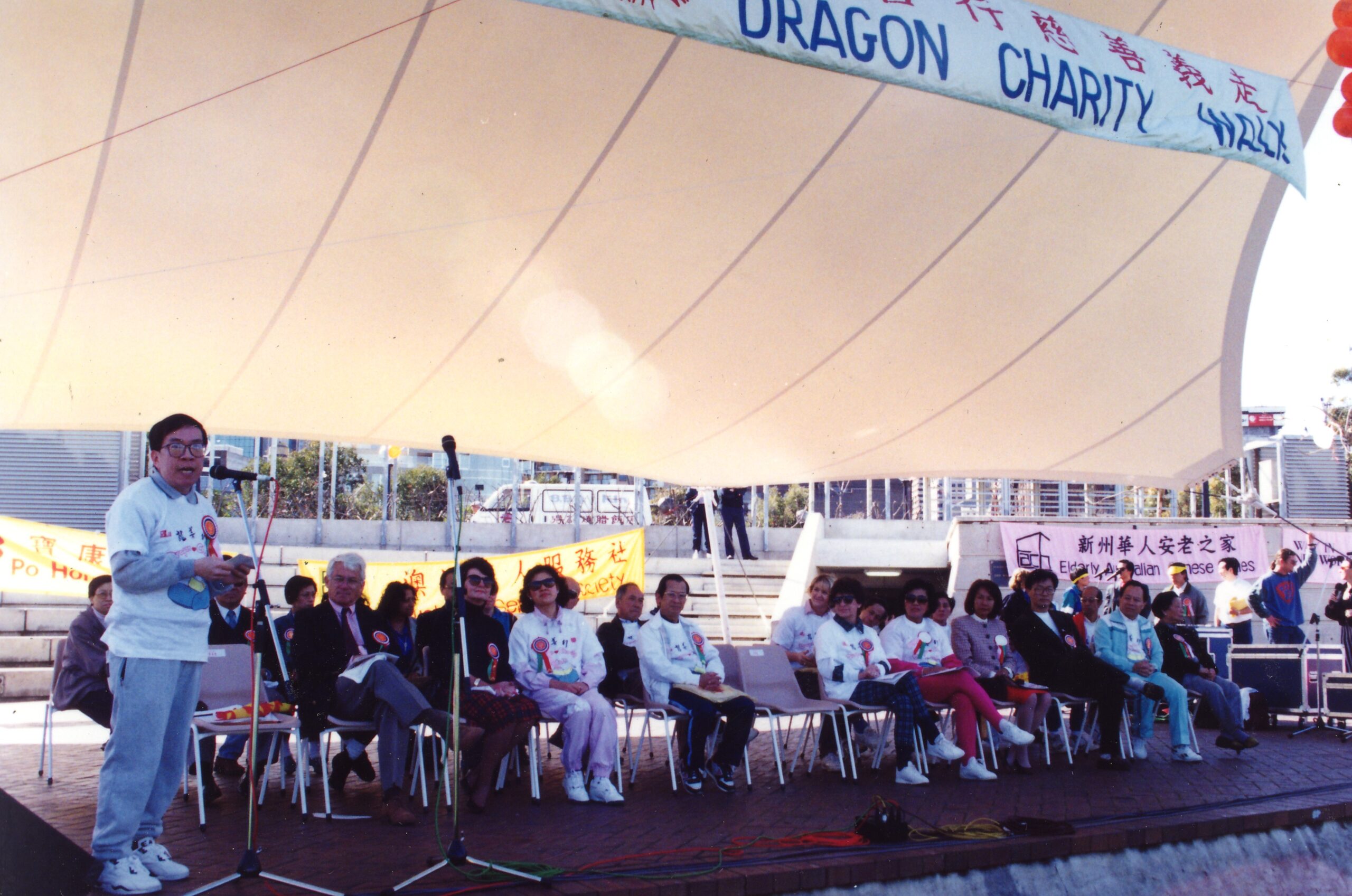
Distinguished guests on the day included the wife of the Premier, Ms Colleen Fahey, and the Deputy Mayor of Sydney City Council, Mr Henry Tsang. The VIPs conducted the ribbon cutting ceremony to kick off the walk. The scene was spectacular and the atmosphere was jubilant!

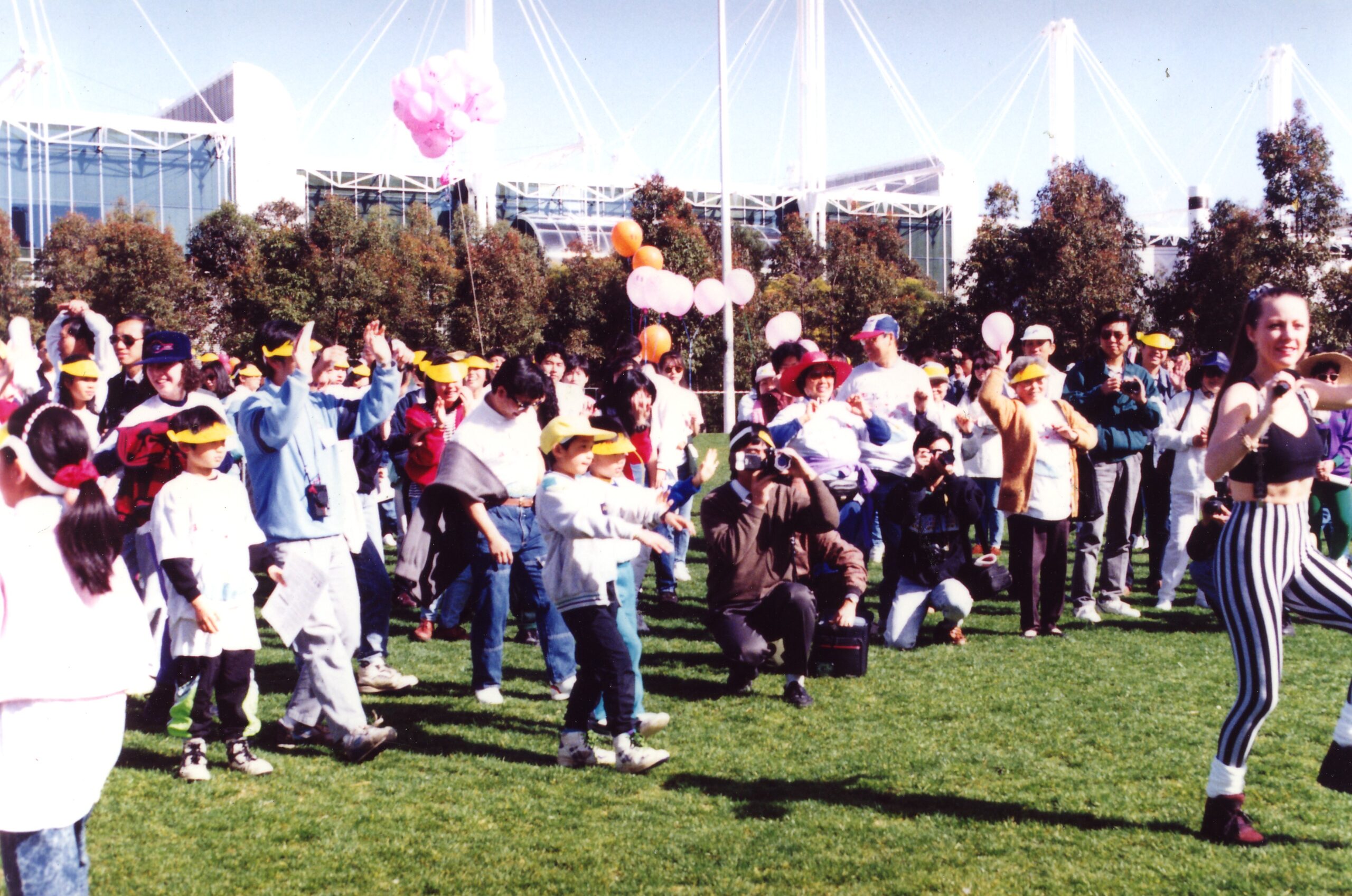
Proper techniques bring physical benefits. Before the formal start of the walk at 9:30am, a professional exercise coach, Ms Julie Diamond (also a professional makeup artist) shared tips on walking techniques and led the crowd to do warm-up exercises.

Apart from the walk, the event also included a photography competition and a lucky draw.

After the finish of the walk at 11:30am, a one-hour variety performance was staged. It was a spectacular show performed by distinguished artists from different communities, including solo singing by Chinese Australian opera singer, Ms Suqin Yu, solo singing by Ms Xiaocen Shan, Syrian folk dance, peacock dance, flying apsaras dance, ballet, etc. The Art Troupe of Liaoning Overseas Exchange Association happened to be visiting Australia at the time, and they put on an acrobatic show. The performance attracted over 1000 people to stop and watch!

The charity walk was an overwhelming success! It raised $52,000, for EACH, an amount never reached before.

There was also tremendous support from businesses with over 40 sponsors. They came from different sectors such as restaurants, fashion and food industries, finance, legal firms, travel agencies and electrical appliances shops, etc. Some of them placed advertisements in the souvenir publication of the Walk. Many members of the newly established Way In Network sponsored generously for numerous participants.

🤔 “Dragon Charity Walk 92” was such a huge success. Would the event be organised again? Stay tuned for the next article!

#023 Organising Dragon Charity Walk 92 (Part 2)

#023 Organising Dragon Charity Walk 92 (Part 2)

Following the successful staging of the drama show “Ma-Lan-Hua” in October 1991, towards the end of the year, our Society resumed work to raise funds for EACH’s Croydon Elderly Hostel Project. It decided to organise a fundraising walk, a model commonly used in the mainstream Australia.

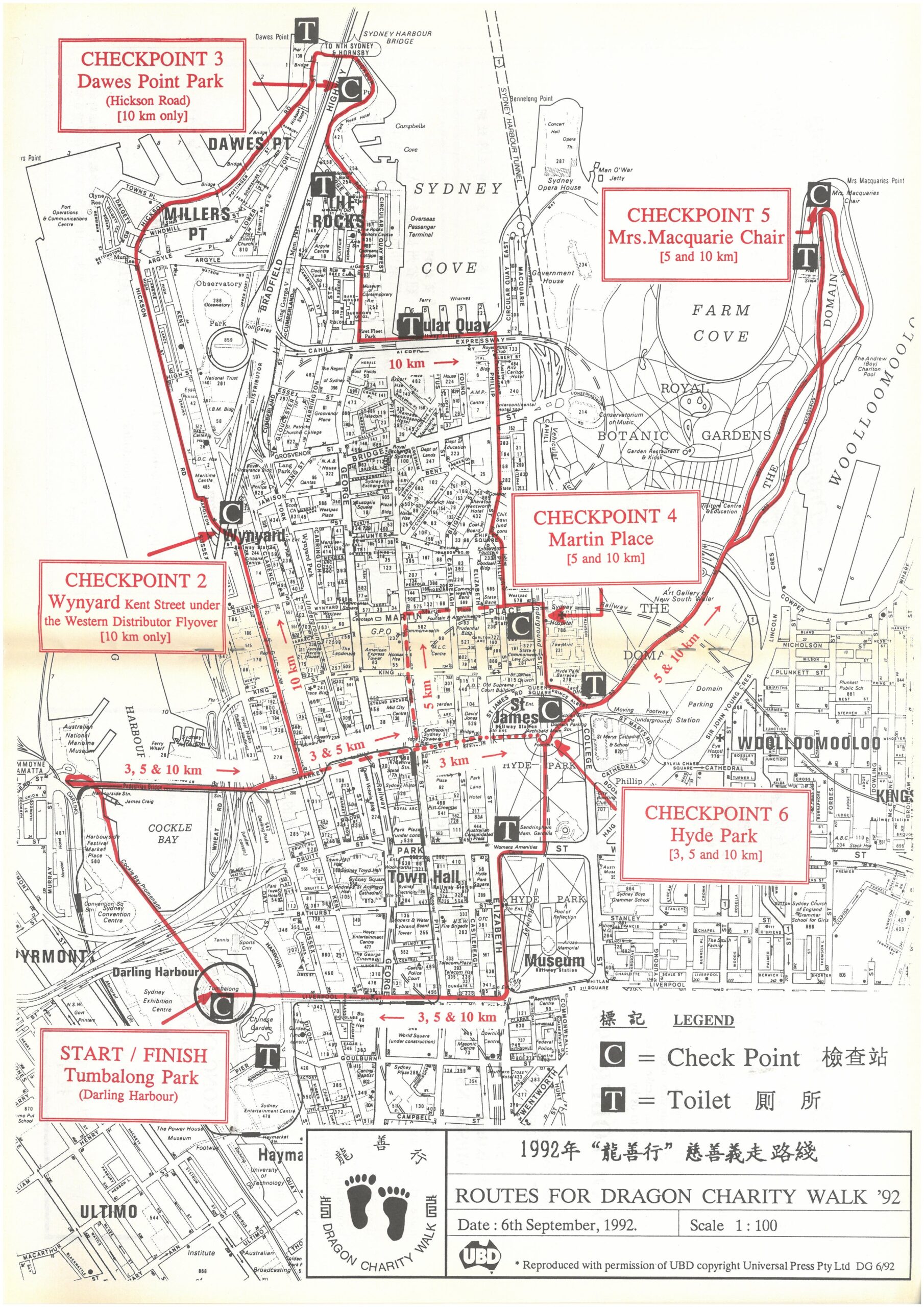
Hosting a charity walk involved a lot of organising work. The route and venues required permission by certain authorities; maps had to be prepared to show details of the route for distribution to participants and seeking copyright from the publisher was essential.

Approval from the police department was required for the public roads covered by the route, especially for those areas having traffic lights where police would need to make special arrangements. As the starting and the finishing of the Walk were both set at the Tumbalong Park in Darling Harbour, approval was needed from the respective management authorities, including the use of the open-air stage, the underground dressing room, the microphones and sound systems on the stage, etc. As the route would pass through the Royal Botanical Garden, approval was also required to be sought. Since it was a charity event, the venue fee was exempted but fees would be payable for the use of facilities.

Arrangements for the venue during the event also required careful planning, including registration desks, management of starting and finishing points, checkpoints along the route, tents for each checkpoint, tables and chairs, etc. Volunteers were needed to man the checkpoints. Water and snacks would have to be provided for the volunteers, and these supplies had to be bought beforehand and transported to the respective venues. A communication centre would have to be set up to provide support to the various venues.

To make the event more interesting, warm-up exercises were organised at the starting point, and cultural performances were arranged at the finishing point after the Walk. A lucky draw was also held.

During the planning, it was discovered that marshals would be needed along the route to assist participants with enquiries. With one marshal every 250m, the 10km route would require 40 marshals.

A significant amount of planning and preparation work was involved, requiring a lot of manpower resources. Promotion work in the community was crucial to attract as many as possible people in the community to participate. After detailed planning, there was realization that at least 100 volunteers would be required. The total number of Society members and directors who could help was only about 30 to 40 people. Where could the large number of volunteers be found?

The main sponsor of the event, Po Hong Group of Companies, which had been sponsoring various soccer teams of the Chinese students’ associations of universities and TAFE, initiated contacts with these associations and invited their members to volunteer. The response was very good. Each of the 10 plus students’ associations sent about 7 to 8 students. Members of the newly established Way In Network also volunteered for the event. With over 100 volunteers recruited, the problem was solved.

At that time, the company that Henry was employed was undergoing restructuring and he was awaiting job assignment. This gave him the time and opportunity to get involved in the preparation work of the charity walk, including contacts with various parties, organising meetings, preparing the souvenir program and designing the logo, etc.

🤔 How did the Dragon Charity Walk go? How much was raised? There is more to share in the next article!

#022 Organising Dragon Charity Walk 92 (Part 1)

#022 Organising Dragon Charity Walk 92 (Part 1)

After undertaking the EACH project in early 1989, the Board of Directors and volunteers of our Society directed their focused and energy on the development and fundraising for the Croydon Elderly Hostel.

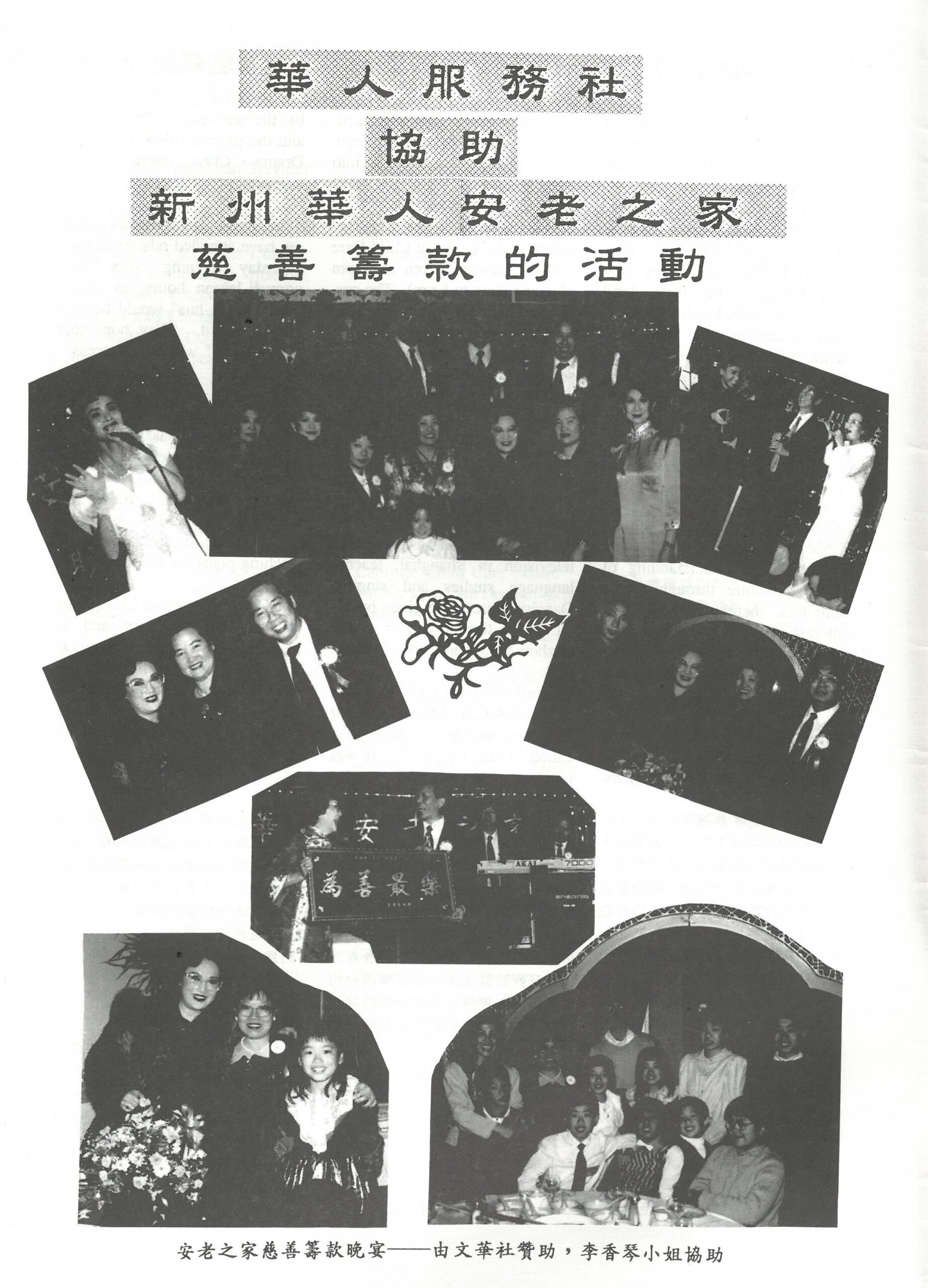
A charity dinner was held at a Chinese restaurant in Paramatta in March 1991 to raise fund for EACH. The event gained the support of a famous actress and singer from Hong Kong, Lee Heung-kam. Even though she did not perform on the night, her presence attracted many participants. The tickets of all 50 tables were sold out and the atmosphere was exuberant.

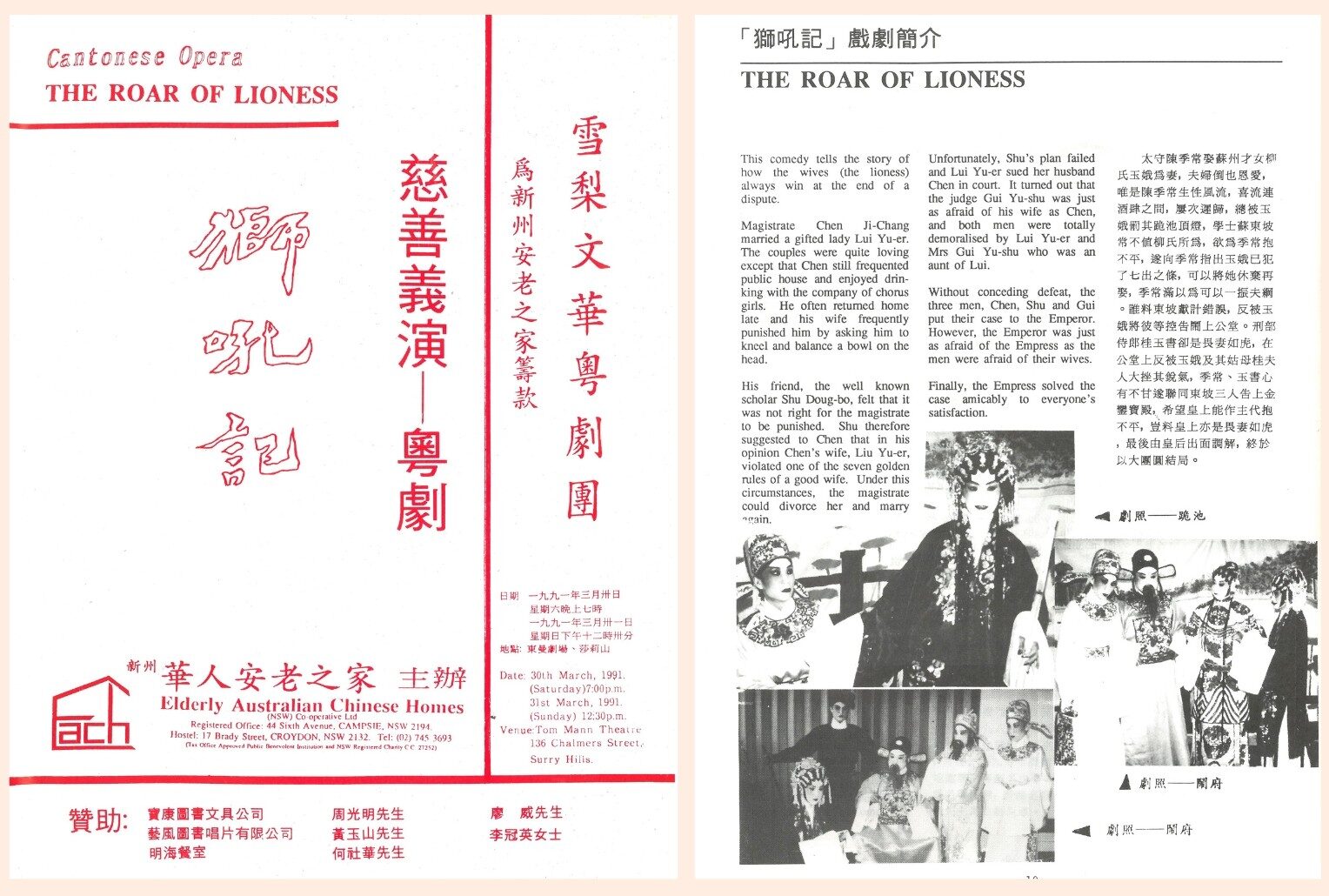
In April 1991, with the help of the Sydney Man Wah Cantonese Opera Troupe, the fundraising event, “The Lion’s Roar” Chinese opera was staged. Our Society did not have to worry about the venue nor the performance and was responsible for the ticket sales only.

To raise fund for EACH, the large-scale children’s drama “Ma-Lan-Hua” was staged in October 1991. It had created a huge impact in the community. Teachers, students and the responsible Board directors all wanted to continue organising performances. However, such performances involved a lot of finances, manpower and resources, affecting the goal and work schedule of the Society at the time. People like Henry felt that the Society should stick to its founding aim which was to provide community services and not cultural performances. There were different opinions among the Board directors and cracks began to surface.

Apart from dinners and performances, what other options were there? Henry was aware that some mainstream fundraising events included charity walks. A significant one was the Walk Against Want held in the Tumbalong Park at Darling Harbour. After taking part in the event with his friends, he felt that it was very relaxing and meaningful. People of all ages could participate, and could enjoy the beautiful sights of Sydney while exercising and at the same time supporting charity.

Henry thought: if such charity walk was organised in the Chinese community, maybe a lot of money could be raised for EACH.

Both the starting and finishing points would be set in Tumbalong Park at Darling Harbour. There were 3 routes, 3km, 5km and 10km respectively. Participants could choose the route according to their physical ability. Along the routes were lined with Sydney’s beautiful scenery. Participants could enjoy the attractive sights of Sydney during their walk, including famous landmarks such as the Chinese Garden of Friendship, Macquarie Street, Martin Place, Hyde Park, Royal Botanical Garden, Opera House, Sydney Harbour Bridge, etc. Check points would be set up along the routes. Participants would get stamps at those different check points, adding fun and a sense of involvement in the process.

Organising this charity walk required the involvement of many volunteers. Such fundraising activity also needed sponsorship and people to sponsor the participants. Gaining the support of various parties and well targeted promotion would be crucial.

A well-known stationery shop in the Chinese community at the time, Po Hong Group of Companies, was willing to sponsor the event. They sponsored many Chinese tertiary student groups every year, enabling them to take part in soccer competition.

🤔 Would the Dragon Charity Walk get support from sponsors, volunteers and participants? There is more to share in the next article!

#021 Staging the Fairy Tale Drama “Ma-Lan-Hua”

#021 Staging the Fairy Tale Drama “Ma-Lan-Hua”

The Chinese proverb, “One minute on stage, ten years of practice off stage” highlights the immense, unseen effort and long-term dedication required to achieve a seemingly effortless performance. The children’s fairy tale drama “Ma-Lan-Hua” performed by the children’s drama class of our Society is a classic example.

This children’s drama developed around the theme of ‘truth, goodness and beauty”. The story described how Ma Lang and the little animals in the forest tried their best to protect the magical flower ‘Ma-Lan-Hua’ on the mountain. This flower had the mysterious power of helping the hardworking people to fulfill their wishes. At the foot of the mountain lived an old couple, Senior Wang and his wife, who had two daughters: lazy Da Lan and the kind hardworking Xiao Lan. They also had an old cat knowing lots of tricks. The story evolved around the battle between good and evil.

When news about the production of the drama show spread in the community, it received a lot of support from passionate professionals. There were only 3 paid staff members in the office at the time, all working for the Family Day Care Development Service Project. Thus, preparation work for the production of the show depended on the efforts of volunteers.

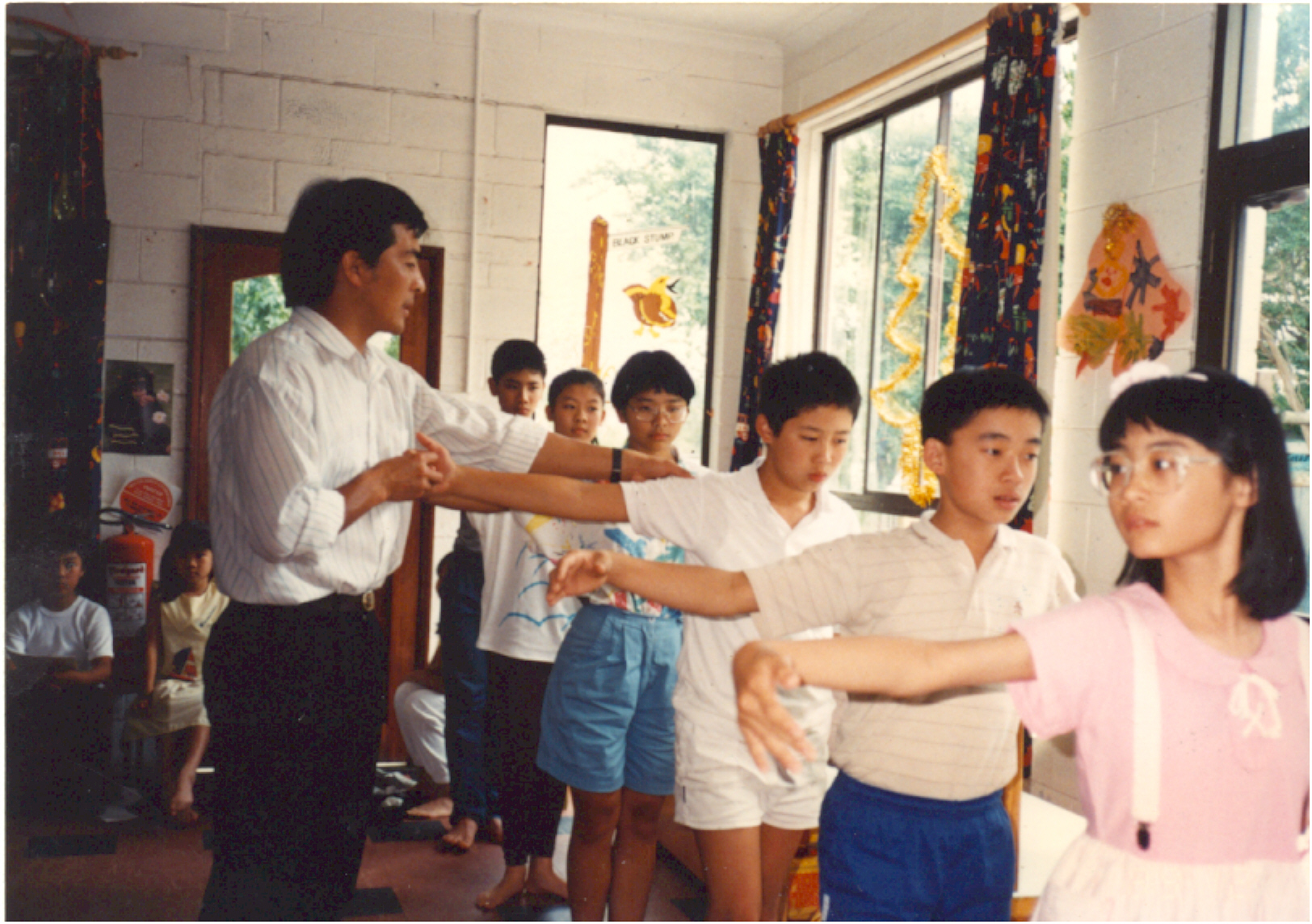
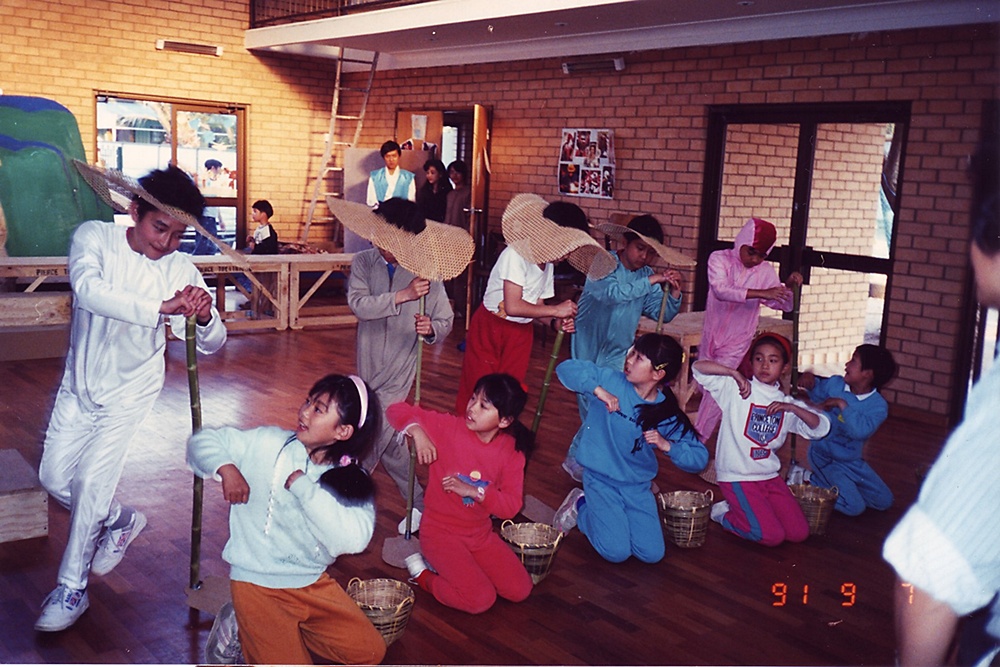
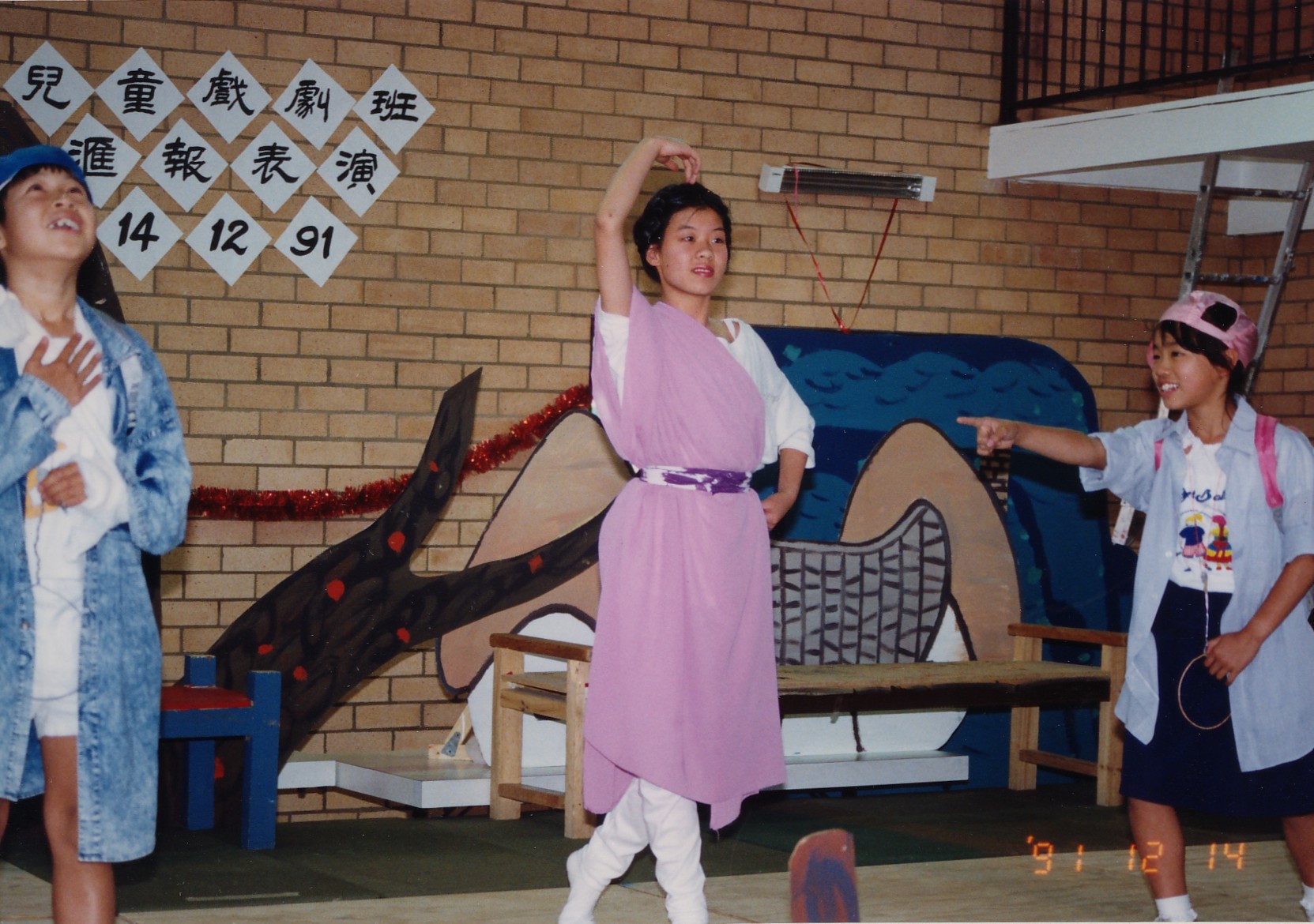
The children’s drama class teachers spent extra time helping the young actors to practise, work on the dialogues, build up their physique, choreograph dances and practise singing. When they practised the labour dance and harvest dance, the children were excited about the new style of dancing. While the children were practising, a team of over 50 parent volunteers were busy sewing costumes, making props and preparing meals.

The most precious aspect was the volunteer assistance provided by professional artists from China in various areas of acting, stage effects, composing music and lighting, etc. The main character ‘Xiao Lan’ was played by a well-known actress, Mingdi Tam.  Veteran professional children’s drama educators, the couple Lingsun Hu and Huili Wang, taught the children acting while also played the roles of Senior Wang and Madam Wang. Haiyun Fung from the Beijing Central Conservatory of Music composed the music for the drama show. Stage design was done by internal designer Junrui Li and film studio set designer Yuanheng Chen. Bing Xi, stage designer from the Beijing Central Experimental Drama Theatre, was responsible for the lighting.

Unlike the cultural performance held earlier which was mainly music and dance, ‘Ma-Lan-Hua’ was entirely a drama show performed in Mandarin. Ticket sales were a challenge as there were fewer potential audiences. Fortunately, some Chinese Schools were willing to provide a helping hand and encouraged parents to buy tickets. Volunteers also actively promoted the drama show and sold tickets at shopping centres, community events and restaurants, etc.

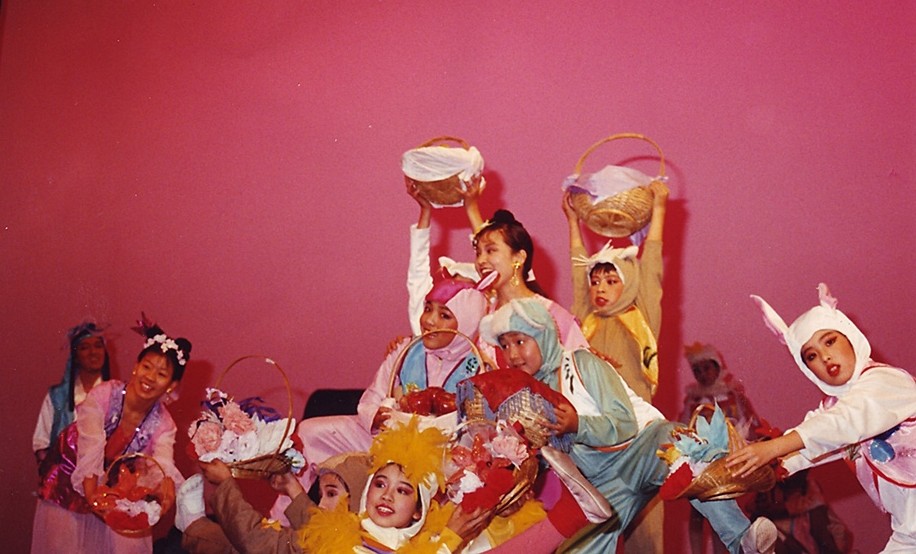
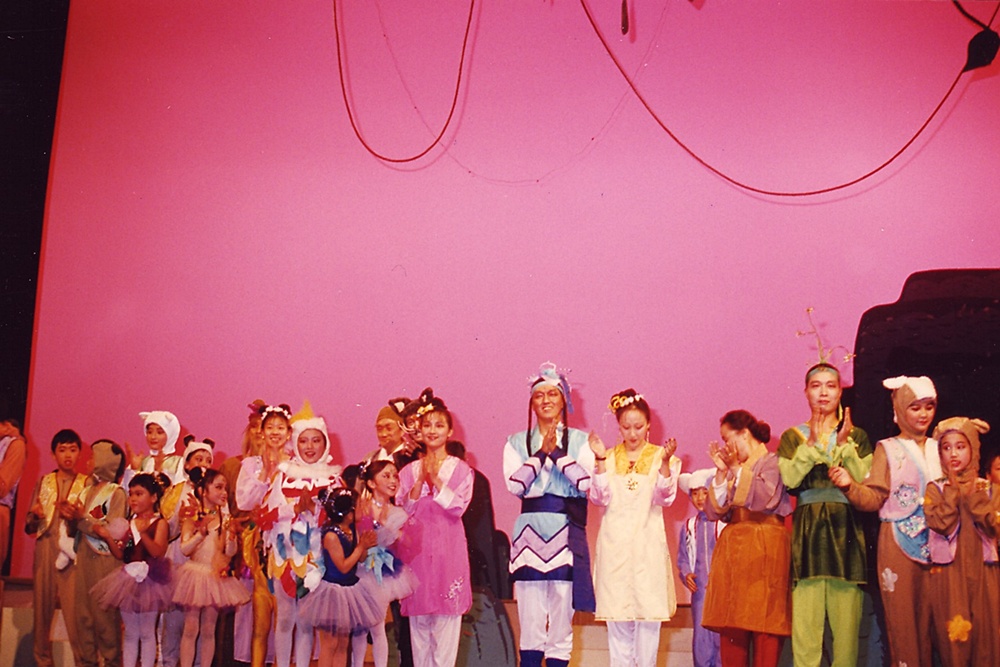
After a year of intense preparation, ‘Ma-lan-hua’ was finally staged at the UNSW Science Theatre on 12 October 1991. The 800 seats were all filled. Once the curtain was open, the beautiful backdrops, captivating music, professional lighting and the dedicated performance of the children all combined into an enchanting scene. The morning glories, deer, birds, koalas and the forest fairies brought out the innocence, liveliness and kindness in their delicate performance.

The concerted efforts brought not only an outstanding performance but also raised $10,000 for EACH and created a positive response from the community. It attracted many new enrolments to the children’s drama class. From the original 20 students, the number rapidly increased to over 40. There were 9 classes with over 70 students at its peak.

🤔With such a positive response to cultural activities, would there be further expansion in the area? Stay tuned for the next article!