by Lynne Wang | Jul 22, 2026 | CASS Story - EN
The Union plays an important role in the relationship between employer and employee. An organization employing staff needs to understand various relevant legislations, or else it will land itself in trouble. During the initial period of its operation, Campsie Child Care Centre experienced trouble after a visit by a Union official.
In the middle of 1985 when the Society thought everything was settling down at Campsie Child Care Centre, the Centre Director received a phone call unexpectedly from an official of the Union one day, saying they would be paying a visit to the Centre two days later.
The Centre Director immediately informed Board Members. Knowing that the Union was not easy to handle, the Board naively turned down the request of the Union to avoid contact with them. The reason they gave was ‘it was not convenient to receive them during office hours.’
Two days later, a Union official presented herself at the Centre at the scheduled time. She talked with some staff members and requested to inspect the daily staff attendance records.
The visit was a consequence of complaints lodged by two staff members who were Union members. They complained to the Union that the Society was breaching regulations as they were not paid correctly.
After checking the staff’s sign-in attendance sheets, the Union official said, “In the last 7 to 8 months, these 2 staff members started their work at 6:15am. This proves that they have been asked to start work early. According to the industry Award, work before 6:30am is considered shift work. The staff members should be paid penalty rates.”
Board members were shocked. It was the staff members who requested to come early as the Centre opened at 6:30am, they said they would start work 15 minutes earlier to prepare the place, and they would leave earlier. Board members thought the 2 staff members very thoughtful and responsible, never realizing it was a ploy!
Based on the calculation, back paying the 6 months with penalty rate would amount to $10,000 per worker. This would be an additional burden on the newly operating Centre with limited financial resources.
The Union’s attitude was very firm. The inexperienced directors immediately sought assistance from volunteer solicitor, Vivienne Abraham. After listening to the situation, she pointed out that the Society had made a huge mistake. According to the Australian labour legislation, the Union has the right to inspect a workplace and talk to employees after giving notice. Following the receipt of notice, the employer cannot turn down their request, and neither can they fight against the Union.
Vivienne helped to negotiate with the Union. In the end, the Society had to pay about $4,000 to each staff member. She also advised the Board of Directors that they could not penalize the 2 staff members afterwards.
The 2 staff members resigned soon after the episode. The Society had learnt a big lesson from the episode.
First, one cannot ignore the power of the Union. In Australia, many workers in the child care, nursing and teaching industries join the Union. The Union has legal supervising power. After the episode, the Society would cooperate and meet with the Union’s request whenever they receive notice of visits.
Secondly, each industry has its own Award. Employers must follow the Award in terms of working hours, breaks and pay.
After the “Union incident”, the Society has learnt how to sail forward smoothly in line with employment legislation.
🤔Did the Society face further difficulties? Stay tuned for the next article!
by Lynne Wang | Jul 22, 2026 | CASS Story - EN
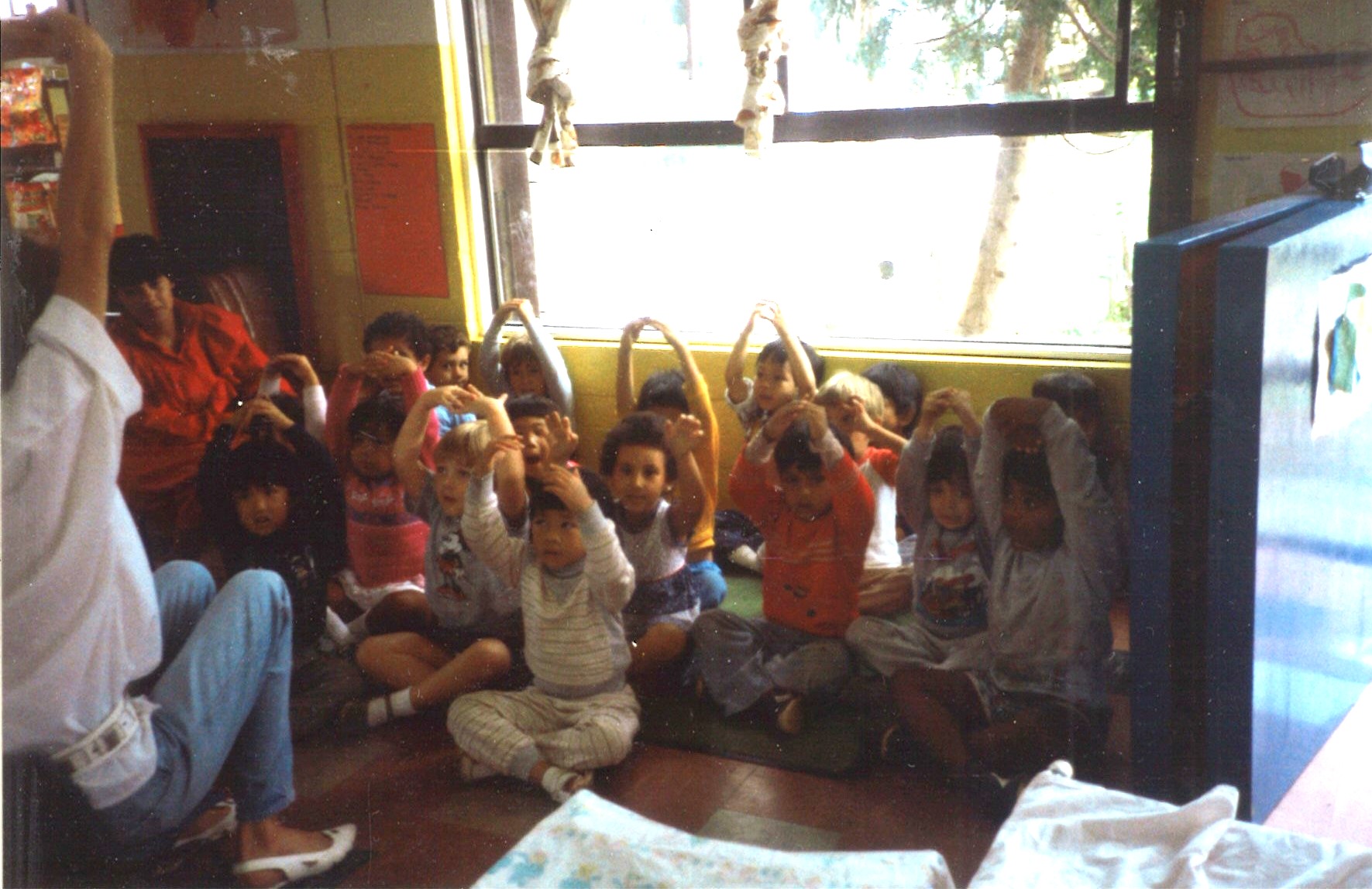
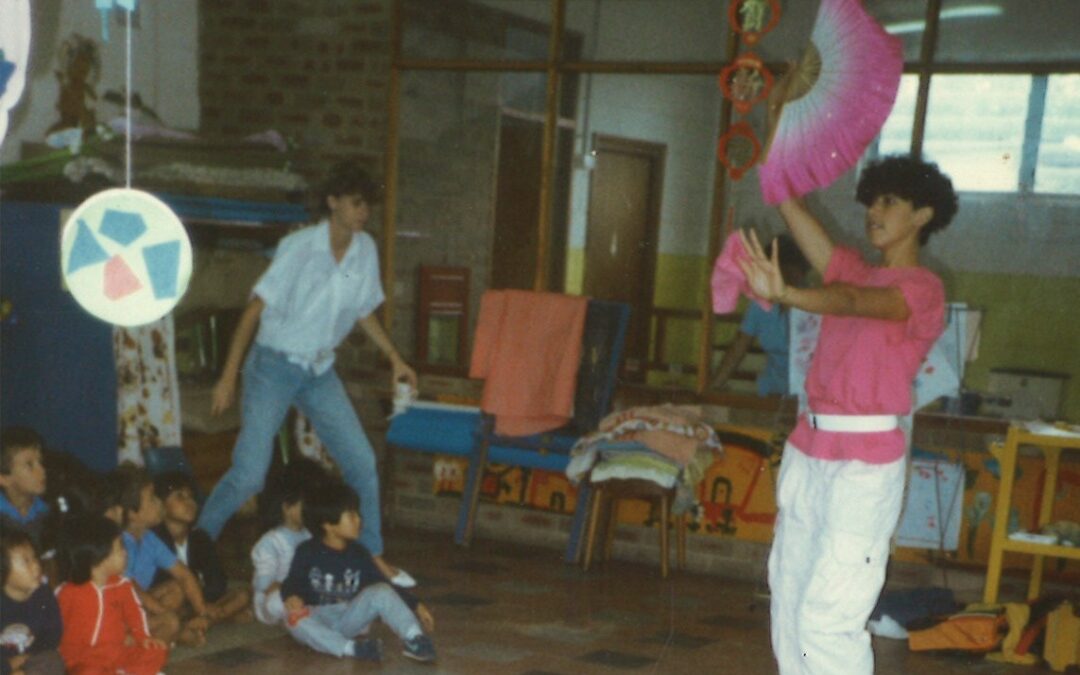
With financial support from the Australian Government, the Society bought the Campsie Kindergarten at the end of 1984 and fulfilled its founding aim of operating a child care centre. The Board of Directors were excited about the new development and tended to the Society’s affairs with renewed energy. However, because of their lack of experience in child care business, they were faced with a series of challenges.
The first task was to apply to the relevant department of NSW government for a license to operate Campsie Child Care Centre and register the change of ownership. During the process, they were notified by the Department that based on its record, the kindergarten did not meet licensing requirements. Rectification work had to be carried out before it could operate.
Everyone was frustrated. The kindergarten bought had already been in operation for over 20 years without compliant issues. It seemed that the Department had not inspected the kindergarten during that time and did not demand any renovation. Now that the kindergarten had a new owner, they immediately ordered for rectification works or else it had to cease operation. It was very unfair.
The rectification works included the following: The thickness of the ceiling panels did not meet fire safety standards, the windows were not safety glasses and did not meet legal requirement; there were not enough children’s toilets; there was no space for staff members to do their preparation and administration work; floorings were torn and needed replacement; facilities were inadequate and there was a lack of facilities for children to play. The total cost of the renovation was more than $30,000.
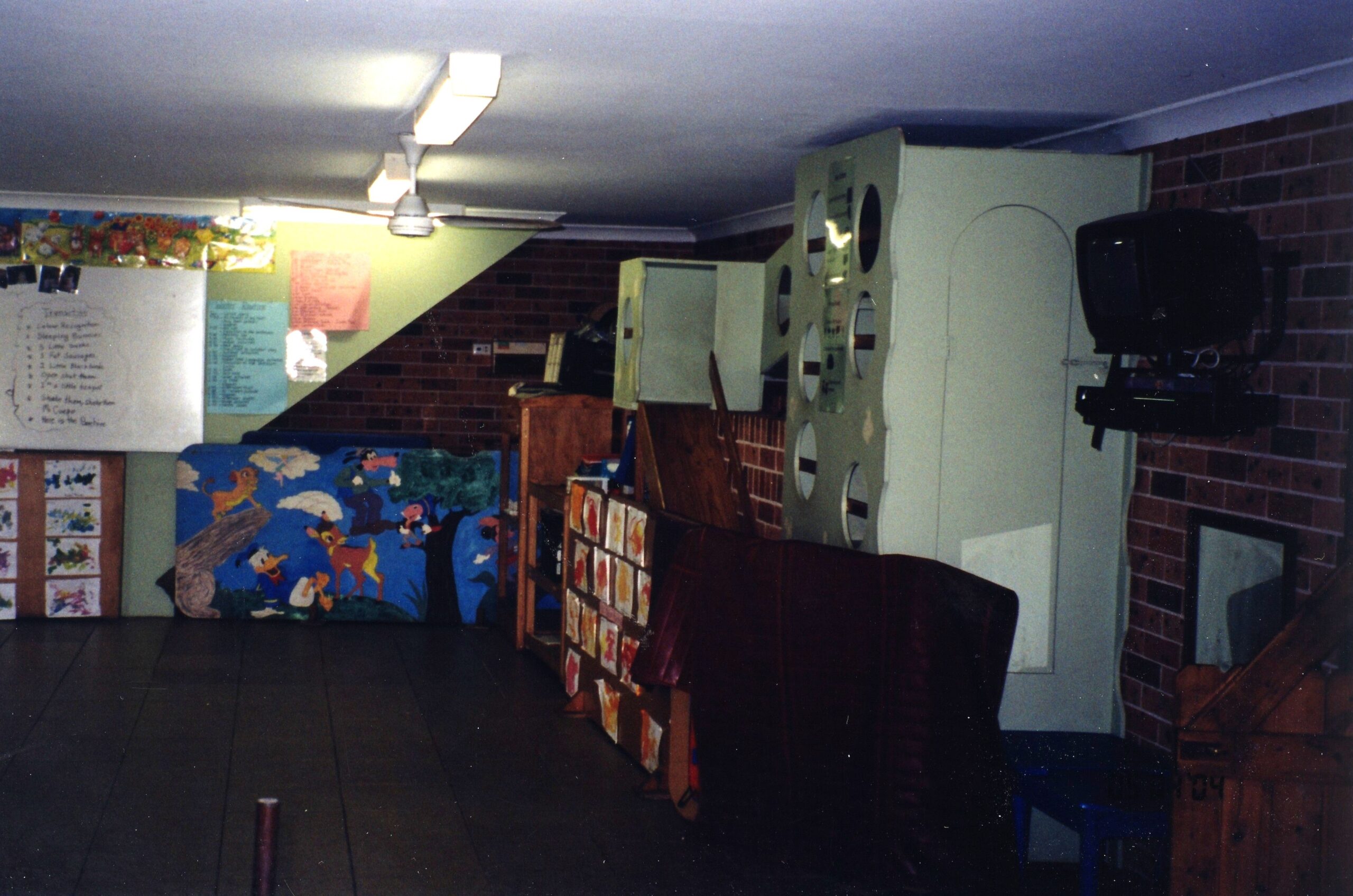
Luckily, the federal government department was willing to take up the matter and liaise with the state department, and it agreed to provide funding for the renovation. The process for the Federal funding to be made available would take some time, hence, the Child Care Centre was given a transition period of 6 months so that it could start operation.
The Society then informed parents of the change of ownership. In an unexpected twist, many parents withdrew their children from care and the enrolment dropped to half. Parents did not know the Society and were skeptical of the Society’s ability to manage the services.
On the other hand, the Society was endeavouring to recruit a Centre Director but received no application. At the end, it had to appoint one of the staff members in the Family Day Care team to take up the position. However, the new Director lacked experience, making the operating work more difficult.
To save financial resources, many volunteers came forward to help. They spent three weekends carrying out some of the renovation works at the Centre, including painting and improving the playground. The Board directors often held meetings late into the evening to prepare the business to commence operation.
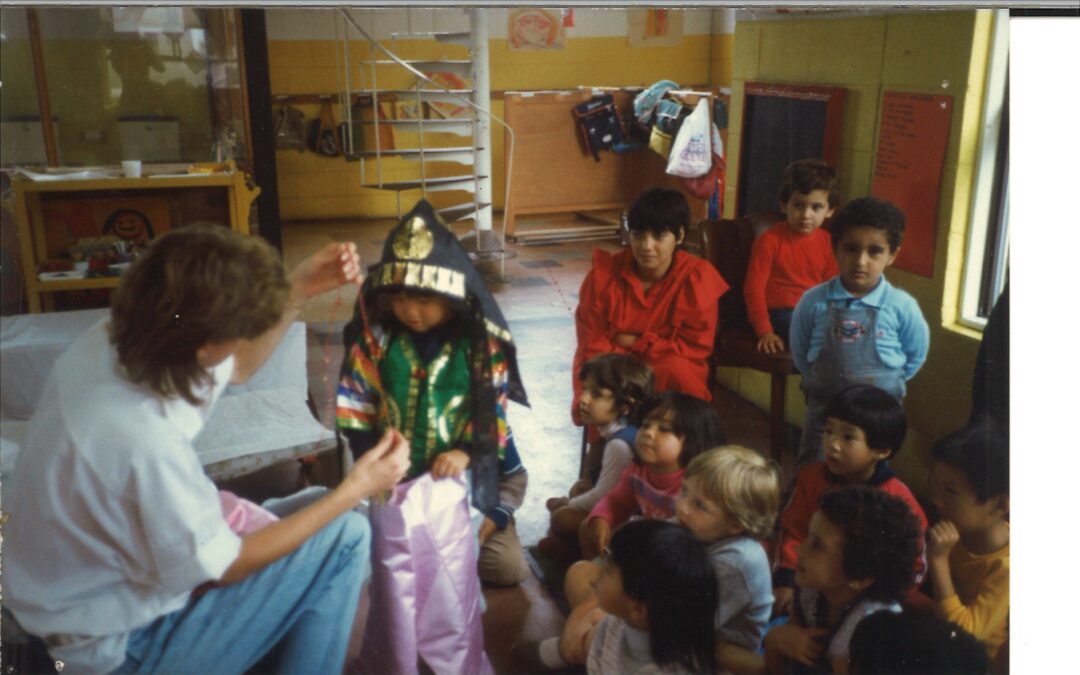
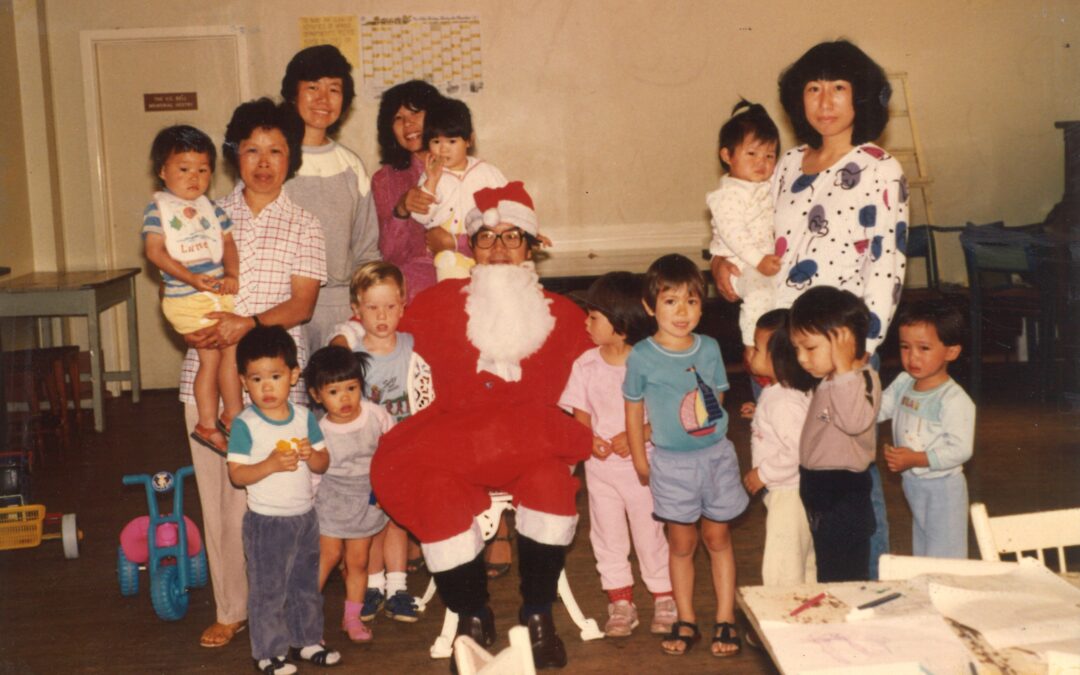
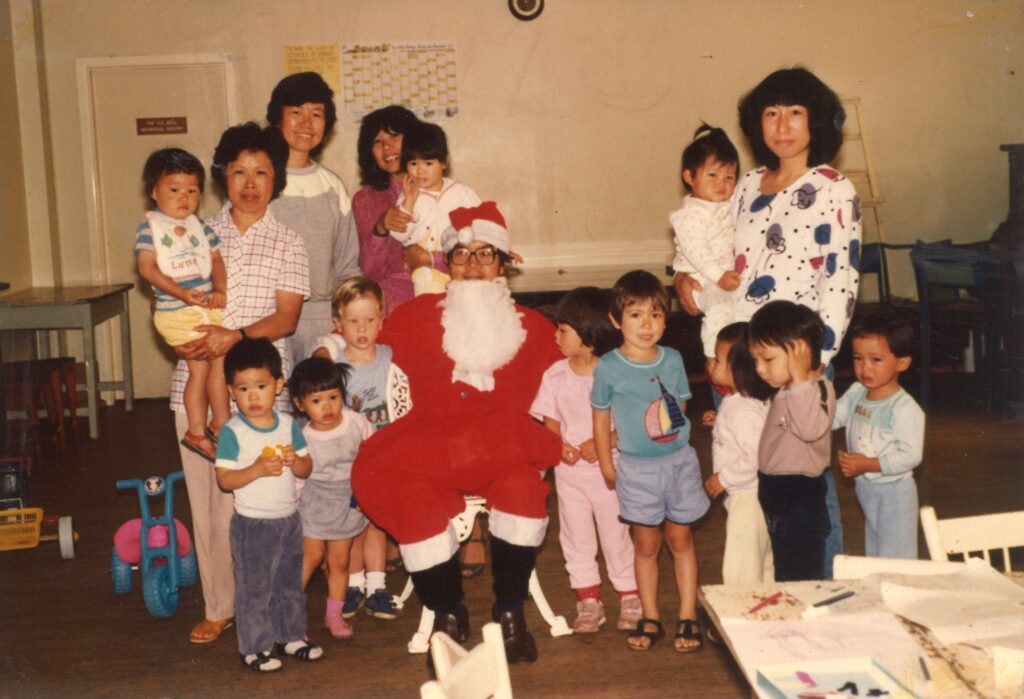
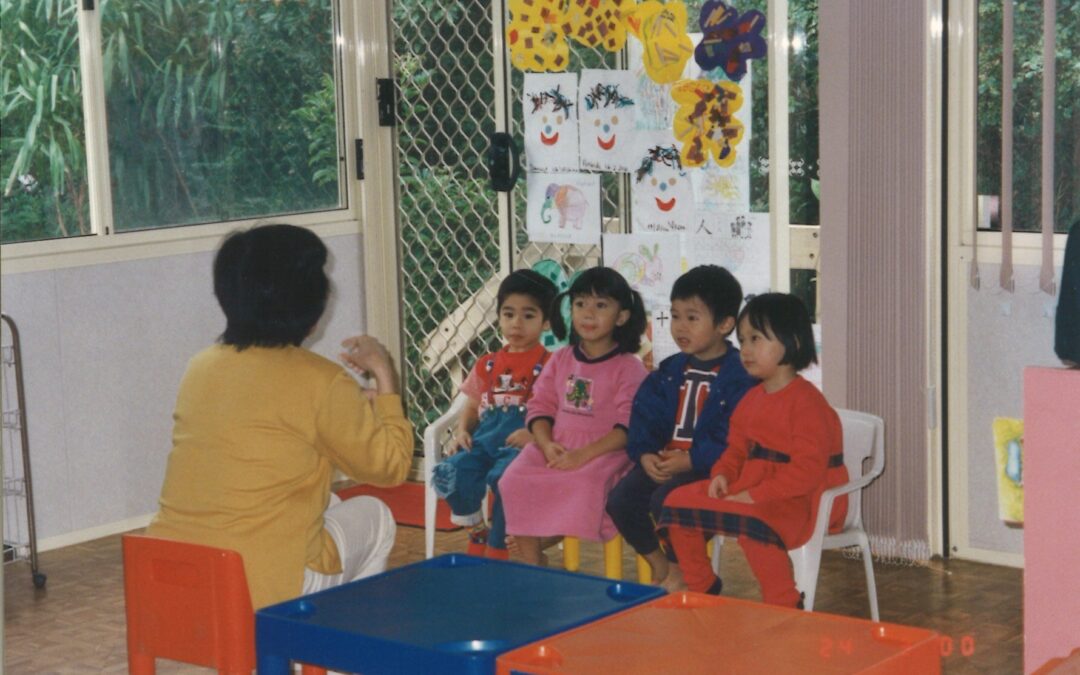
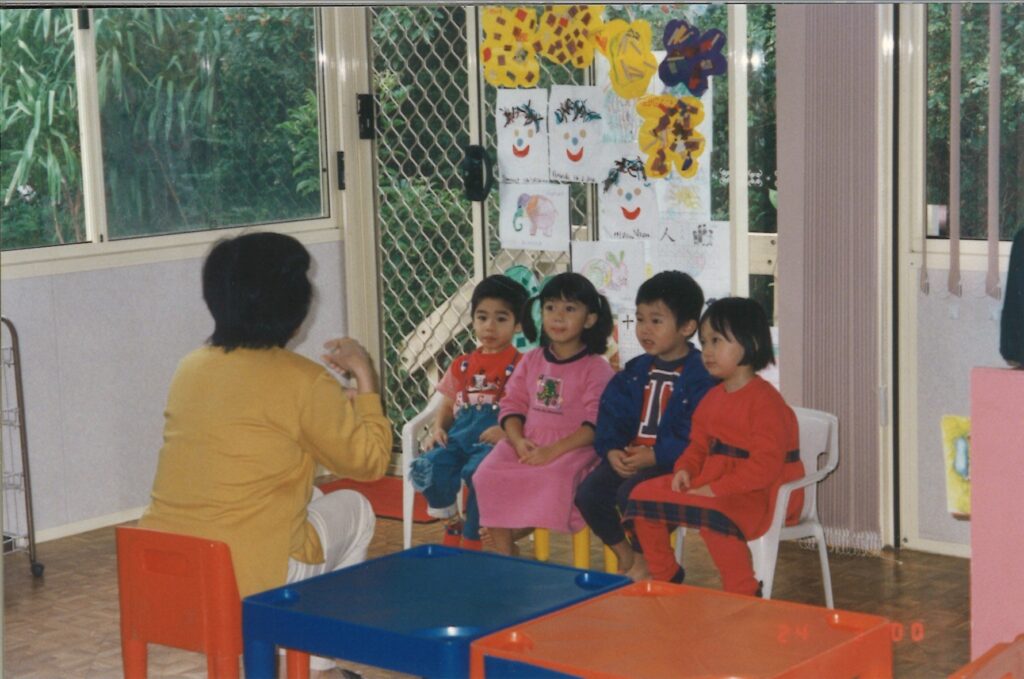
Campsie Child Care Centre commenced operation on 29 January 1985, providing long day care, before and after school care.
Owing to the low enrolment, the Society faced enormous financial pressure. The Federal department informed that since the Society was a not-for-profit organization, at the time, it could apply for operational subsidy from the state department. The Society managed to receive funding eventually.
After a few months of hard work, the number of children gradually increased, and the financial situation became more stable.
Suddenly one day, the Centre received a phone call from the Union, saying that they would visit the Centre for an inspection.
🤔What should the Society do? We will continue the story in the next article!
by Kitty Leong | Jul 1, 2026 | CASS Story - EN
In early 1984, our Society received a piece of good news, “A private kindergarten in Campsie was for sale. The Government was worried that developers might buy the property leading to a loss of child care places, and so the Government was willing to provide funding for the Society to buy the place.”
The Board of our Society was ambivalent after receiving the news. The original plan of our Society was to operate a child care centre in Sydney Chinatown area, not in Campsie. However, after considering that it would be a good opportunity to learn how to operate a child care centre and accumulate experience, the Board resolved to accept the challenge.
Facilitated by the Federal Department, the Society met with the owner of “Campsie Kindergarten’ in early September 1984 to negotiate about the purchase of the place.
The private kindergarten was located at 44 Sixth Avenue, Campsie. Both sides quickly agreed on the purchase price of Aus$250,000.
During the negotiations, it was discovered that the vendor also owned the property next door at 48 Sixth Avenue. It was a dilapidated warehouse and priced at A$40,000. The vendor would only sell the kindergarten if the Society would buy together with the warehouse.
There was a serious problem: the Government would only provide the Society with funding to purchase the kindergarten and would not provide funding for any property unrelated to the child care service.
This posed a headache for the Society: If the Society did not have A$40,000 to purchase the No. 48 property, the Government’s funding of A$250,000 would be lost. Where could our Society find A$40,000?
Our Society did not have any financial resources at that time. Neither did it run any projects or service that would generate income. When our Society approached banks or financial institutions for loans, all applications were knocked back. The responses were the same: How could you manage to repay the loans?
The Board deliberated the issue many times and finally came up with a solution in early November 1984. It was suggested settling the purchase of the No. 44 kindergarten property first and requested the vendor to give our Society one year’s time to settle the property at No. 48 giving our Society time to organize fundraising activities. Some members agreed to put up their personal property as financial guarantees. The vendor accepted the plan.
Funding was received from the Federal Government, and the purchase of the kindergarten property was settled at the end of 1984. An agreement was signed with the vendor to settle the property at No. 48 a year later. This agreement was made possible by the financial guarantee provided by Dr. Leng Tan, Dr. Tony Goh, Dr. Cecilia Fong and Mr. Henry Pan using their personal properties.
Everyone was happy and celebrated the purchase of the kindergarten which was renamed as Campsie Child Care Centre. Work also commenced to recruit staff members.
No one expected it to be a hot potato!
Relevant government departments began to come knocking on the door and said that the kindergarten did not meet regulations and rectification works were needed before it could operate. After contacting the trades people, the works were estimated to cost at least Aus$30,000.
When parents heard that the Child Care Centre was owned by Chinese, many withdrew their children from the Centre. Only half of the originally enrolled children stayed.
🤔Revenue was drastically reduced while there was extra cost for the renovation works. How would the inexperienced Society handle the situation? Stay tuned for the next episode!
by Kitty Leong | Jul 1, 2026 | CASS Story - EN
Since our Society commenced operating the ‘Family Day Care Development Service’, the Board of Directors realized the importance of having regular communication with relevant government departments, and it was necessary to attend monthly meetings with department officials. As Henry’s workplace was in Sydney downtown, he used his lunch hour every week to either meet with staff members or attend meetings with government officers. He was often seen munching his sandwiches while discussing business. Though it was quite rushed, the outcomes were fruitful.
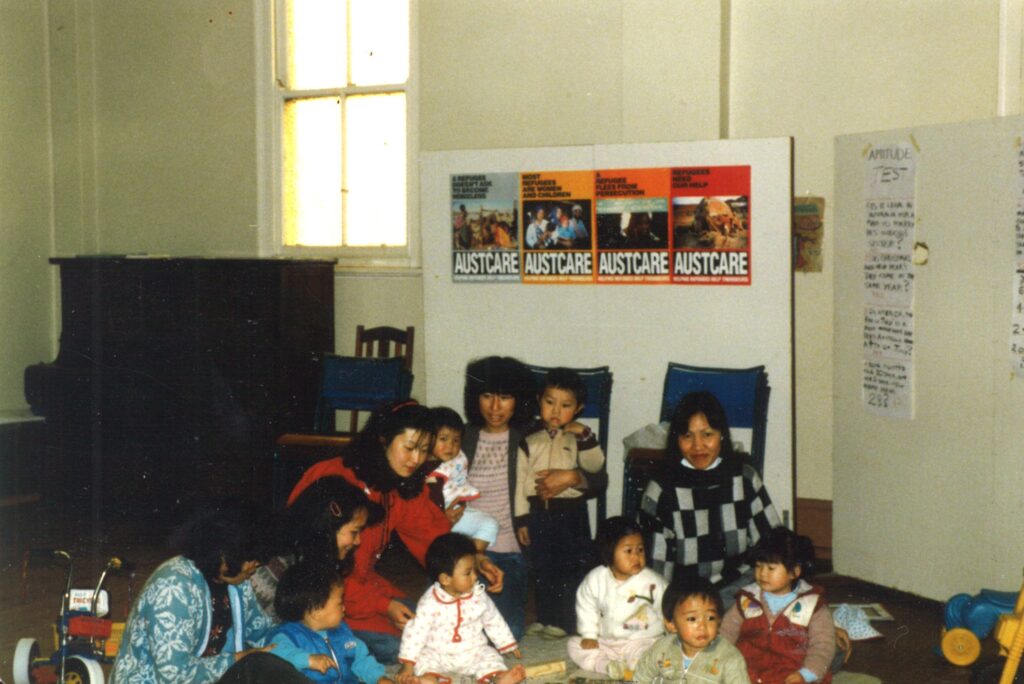
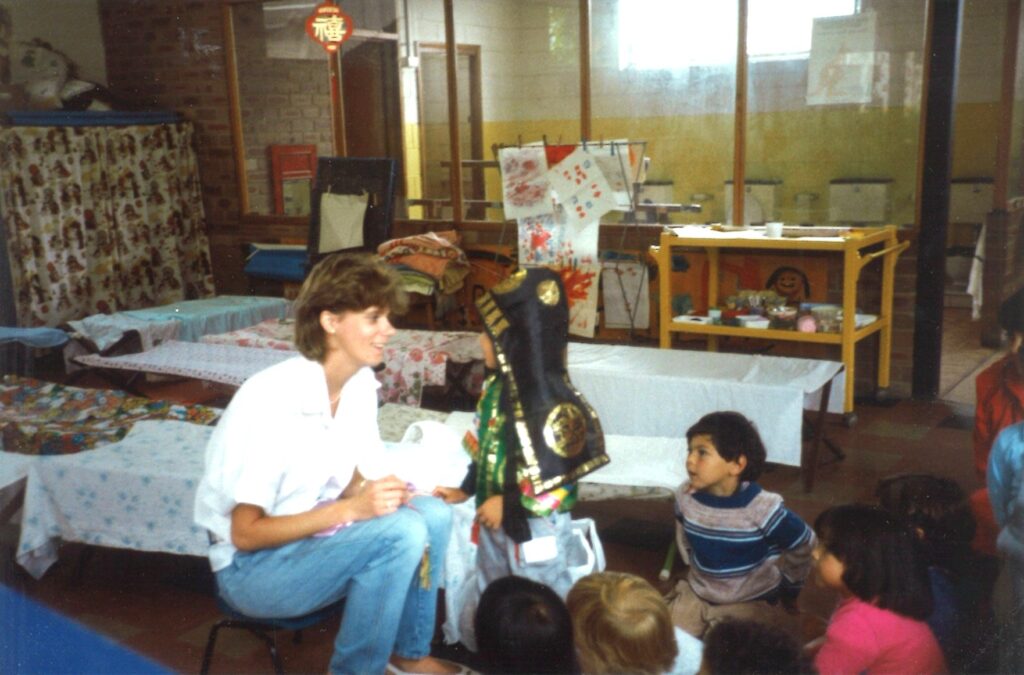
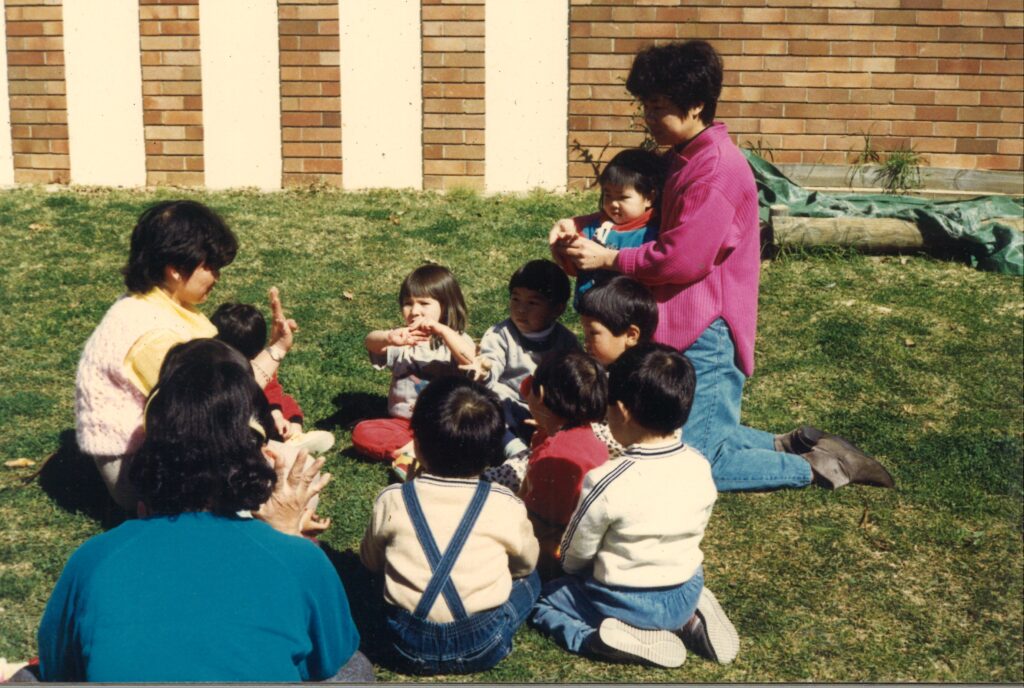
There was a growing need for child care service in the Chinese community. Many Chinese families were unable to join playgroup activities because of language barriers. In May 1983, our Society started the first Chinese playgroup in a borrowed venue in Ultimo. The weekly gathering provided meaningful activities for many Chinese families.
At that time, only 3 part-time workers were employed by our Society. Apart from developing FDC services in different areas, they had to run the playgroup. The part-time staff members were having a full-time workload.
The Board understood that it was difficult to maintain the operation in the long run with such limited resources. However, as the referral service was a three-year pilot project, funding would not be reviewed until the end of the pilot period.
In late 1983, our Society reflected the difficult situation sternly and strongly to the Federal Government and made a submission pleading for additional funding. Regular communications and the success of the FDCDS built up the confidence of the Government on the ability of our Society in managing projects and services. Government officials found the young executives of our Society not only having capabilities but were also very determined and passionate about providing services to the community.
The Government realized the long-term benefits of the FDCDS project. It would be a waste if the project was not having adequate resources leading to termination. Under very exceptional circumstances, the Government approved extra funding to enable our Society to employ two extra staff members for FDCDS before the review at the end of the pilot period of the project.
In June 1984 the Federal Government’s Office of Child Care contacted our Society to inquire whether we would be willing to establish and operate child care centres in areas outside Surry Hills. The Board deliberated the matter and resolved that location was not a key factor. It would be more important to begin the provision of services to the community as early as possible.
In early August, our Society received an unexpected piece of good news from the Government department, “A private kindergarten in Campsie is for sale and the Government is willing to fund the Society to purchase it.”
The owner of this fully enrolled kindergarten did not want to continue running the business. It was located in a residential area with unit zoning, and developers would want to acquire it to build units on the land. There was a high demand for child care places at the time, as Campsie was a relatively economically disadvantaged area and child care places were lacking. If the kindergarten closed down for unit development, more families would not be able to find child care.
To ensure the community had child care services, the Government decided to intervene. However, the government could not run the service. It needed to find a capable community organization to run the service.
🤔It was a ‘pie’ falling from the sky! How would the Society decide in face of the sudden opportunity? Find out in the next article.
by Kitty Leong | Jul 1, 2026 | CASS Story - EN
In 1983, our Society received two fundings, allowing the employment of 3 part-time staff members to carry out the work of “Family Day Care Development Service” (FDCSS). It was a referral service, matching Chinese families needing child care to caregivers.
According to the Regulations, all caregivers were required to be registered with a mainstream FDC service.
Facing enquiries from people residing all over Sydney, the Society was trying its best to meet the needs of the families. However, the system at the time did not allow cross-boundary services.
The State Government was the enforcement authority of FDC regulations. It was supportive of the pilot FDCDS project, and it provided special approval letting Sydney Family Day Care, who was working together with our Society, to provide services outside its service boundary.
The Board felt that considering long term, there was a need to gain the support of mainstream Family Day Care agencies in different regions to accept Chinese caregivers to be able to provide services in their areas. Building relationships with mainstream FDC services was important and necessary. The Society thus applied to become a member of the NSW Family Day Care Association – the peak organization in which all mainstream FDC agencies joined.
The Board originally thought that, with the strong support of Ms. Maureen Hastings, the other FDC agencies would also be friendly and welcoming. Surprisingly, at the first meeting, the Society representatives were faced with interrogation and suspicion: “Why are you doing this project?”, “Why are you competing with our business?” and “Ask parents and caregivers to contact us directly, we do not need you!”
Representatives of our Society, Dr. Cecilia Fong, Mrs. Susie Chu and our staff members, were always patient and explained our objectives: “We are not competing with your business. We want to help Chinese families with limited English to understand the service as language and culture are barriers to accessing services.” The initial responses were very unfriendly: “Don’t be a caregiver if you don’t know English!” It was an embarrassing situation.
Our Society’s representatives did not give up. They continued to attend the meetings and kept communicating with fellow people engaged in the same trade. Ice was gradually broken. As time went on, those agencies that were initially hostile or indifferent began to understand the intention of our Society. Animosity was replaced by respect and friendship. As years went by, the people not only became friends, but also long-term working partners.
The officers of relevant departments in both the state and federal Governments dealing with child care services held meetings with our Society’s representatives bi-monthly. They found that our Society’s Board was a strong team having management capabilities, ideals and was down-to-earth.
The journey thus passed reflected an important message: when faced with difficulties, one needs to keep working hard and with time, strangers will become acquaintance, and estrangement will turn to respect.
The Society was not just providing services across boundaries in different regions; it also began to establish playgroups. Staff members had to run the playgroups, implying that the employed part-time workers had to take up full-time duties. Once again, our Society was facing challenges.
🤔How did the project go? There is more in the next article.

by Kitty Leong | Jul 1, 2026 | CASS Story - EN
Even though there were no positive results from the Government regarding the application lodged by our Society for funding for the establishment of a Child Care Centre, the Board of Directors of our Society resolved that the founding aim of our Society, i.e. to provide child care service to the community, should still be realized even without Government’s funding assistance. In July 1982, it was resolved to provide a referral service through the telephone manned by volunteers to match parents in need of child care and caregivers wanting to provide child care service. The service was run in cooperation with Sydney Family Day Care (SFDC).
Ms. Maureen Hastings of SFDC strongly supported our service and admitted Chinese women who were interested in becoming caregivers. Our Society provided referrals when calls were received from parents looking for caregivers. During the few months’ operation, the service provided working opportunities for Chinese women with limited English to become caregivers. Chinese parents were also able to find culturally relevant child care service.
After a few months of operation, the self-organized ‘family day care’ service achieved positive results. Relevant government departments came to know about our endeavor and appreciated our initiative very much. They were impressed. Officers from the Office of Child Care met with our Society’s representatives and encouraged us to apply for special funding to employ a worker.
In November 1982, Henry wrote a submission to the Office of Child Care, detailing the work our Society was doing and explaining that with limited resources, our work was not perfect. There was a need to employ a worker to develop the referral service and requested funding.
After 2 months of waiting, in mid-January 1983, the good news came: The Federal Government approved our funding application! It would provide a 3-year funding to our Society to enable the employment of a paid worker to develop the referral service, titled “Family Day Care Development Service” (FDCDS). The Chinese Youth League agreed kindly to continue providing office space for the implementation of the project.
Considering that employing one full-time staff member might not be the best arrangement, having to take phone calls, conduct home visits, handle administrative work and do promotion all alone, the Board decided to employ 2 part-time workers. The recruitment news disseminated in the community quickly attracted applications. After interviews, 2 workers were selected: one was a Hong Kong student who had just graduated from UNSW Social Work study; the other was a teacher migrating from Malaysia. They were our Society’s first formal employees.
In March 1983, the Society started to have two employed part-time staff members to provide service. Having human resources to take up the work, the project proceeded with good results.
At the time, the economic environment of Australia was not good. Many people were unemployed. To lower the unemployment rate, the Government provided funding for organizations to provide jobs for the unemployed. The Board thus grasped the opportunity applying for funding. In the second half of 1983, our Society was successful in getting funding for the employment of an Office Assistant for six months, and an unemployed migrant, a teacher from Hong Kong, was employed.
The pilot project was limited to the cooperation with SFDC service and was limited to City of Sydney area. There were many enquiries from all over Sydney. The Board realized there was a need to extend our service provision to other areas in Sydney.
🤔There were geographical boundaries for each FDC service. How could the Board resolve the issue? Stay tuned for the next article!