
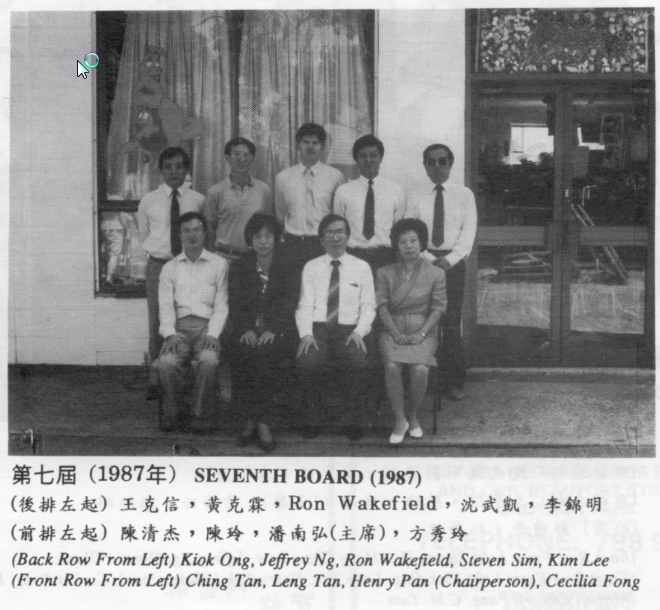
In 1987, during a conversation with friends in the Chinese Youth League and the Sydney Chinese School, Henry heard comments that some people were getting old, but they had difficulties finding appropriate care services. While the remarks were casually made, Henry realized that apart from child care services, there was an urgent need in providing elderly services which were lacking at the time.
There was suggestion to do something together for elderly services, but where should they start?
They obtained inspiration from a piece of exciting news. A well-known Chinese in Melbourne, Mr. Wah Yeo, together with a group of enthusiastic community members had successfully started the Victorian Elderly Chinese Hostel in 1985. They opined that ‘If Melbourne could start the action, people in Sydney should also try’!
On 17 May 1987, in conjunction with Chinese Youth League and Sydney Chinese School, the Elderly Australian Chinese Homes Co-operative Ltd (EACH) was formed to cater for the welfare of Chinese elderly people.
The 3 organisations had clear division of responsibilities. With its long history and recognition by people in the community, the Chinese Youth League would play the leading role. The Sydney Chinese School had a strong community base with over 500 students and would be responsible for community promotion. Utilising its experience in dealing with Federal and State government departments, our Society would play the role of liaising with government departments and writing funding submissions.
Henry and Dr. Cecilia Fong represented our Society on the Board of EACH. They immediately liaised with respective government departments to express the intention of the newly established service organization to set up elderly residential projects and they were exploring opportunities for government funding.
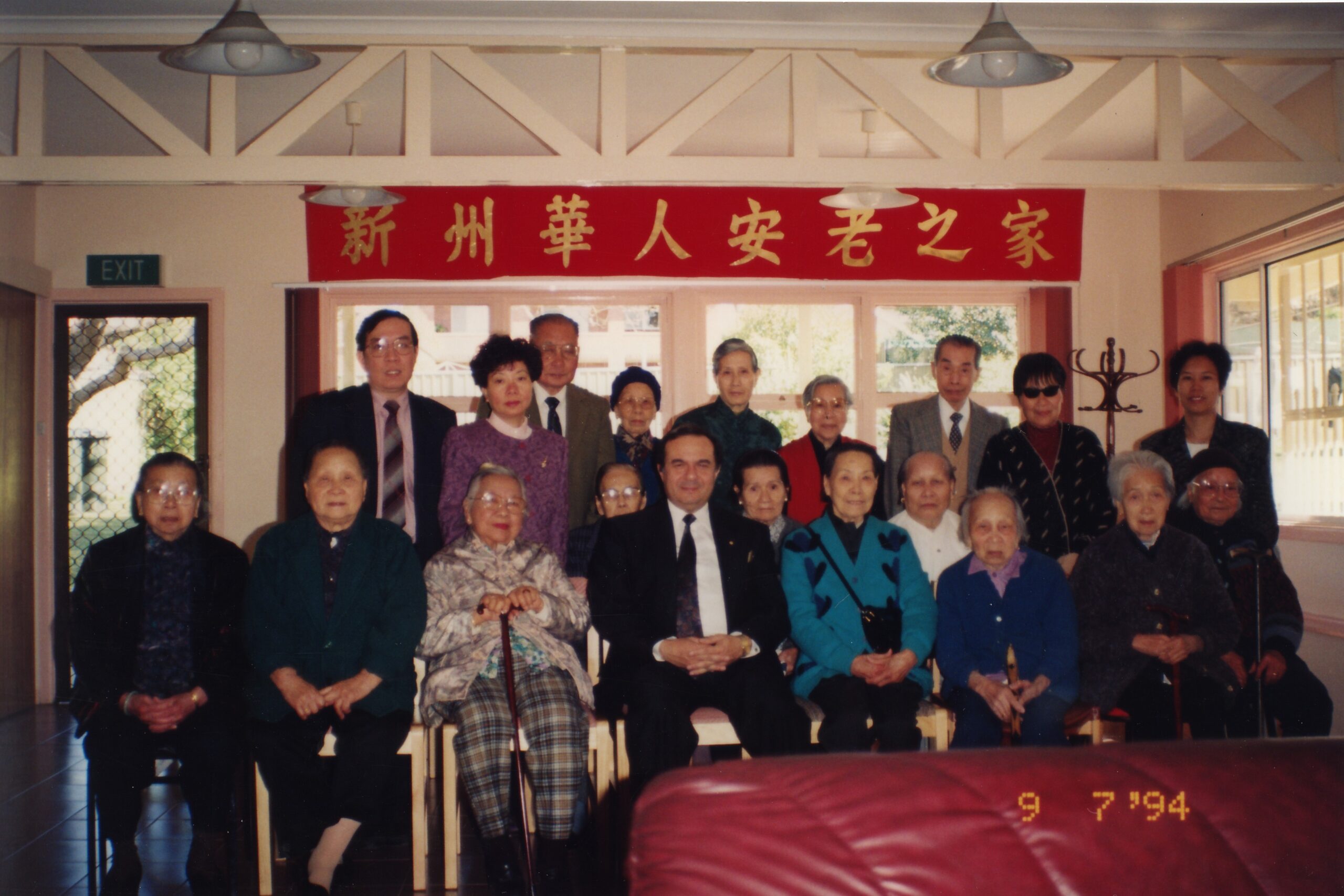
Government officials who had worked with our Society were pleased to hear of the new venture. They told Henry and the group a piece of good news: an elderly hostel run by a German Group in Croydon was up for sale. As the current owners were building a new facility in other area, they decided to sell the hostel, which included 2 buildings on a large piece of land. The facilities were well equipped, and the new owners could start operations immediately.
To ensure the continual running of the much-needed community elderly hostel, the government would be willing to provide a grant of $300,000 for the purchase of the Hostel. The new owner only needed to put in about $150,000 for the purchase of the property. This meant that the community organization taking over the hostel would contribute one-third of the purchase price while the government would fund the remaining two-third.
Given the opportunity so soon after the establishment of EACH, obviously the Board was not willing to let it slip away. As Henry had experience of writing submissions, he took up the task of preparing the funding submission and liaising with government department. After a series of back-and-forth communications and discussions, a draft submission was prepared by late 1987. Henry felt that the application had a high chance of success.
Unfortunately, Henry was diagnosed with Meniere’s disease in early January the following year. He struggled to complete and formally submitted the funding application but he did not have the energy to get involved further in the work.
🤔 Would the EACH project be successful? There’s more to share in the next article.