
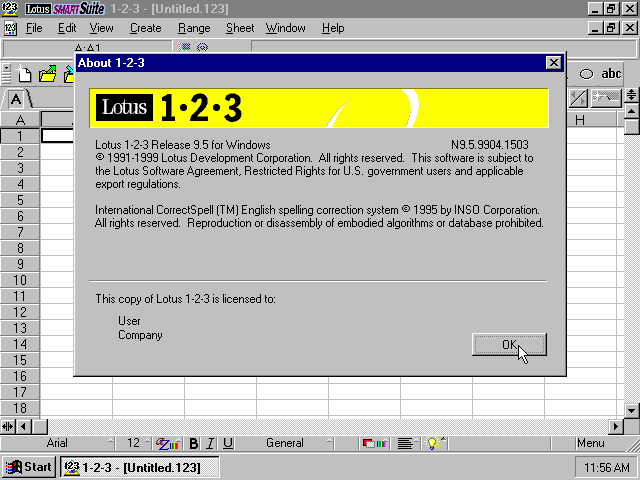
In 1990, Henry enrolled in a two-day training course on the application of Macros in Lotus 1-2-3, with the aim of developing a semi-automated payroll system for our Society. As he attended the course with a practical problem in mind, he quickly mastered the relevant skills. After working at night for three consecutive weeks, he successfully developed a payroll system for our Society using Lotus 1-2-3. The system eliminated the need to calculate wages and complete payroll information manually.
The core of the system was the creation of a basic database. Henry stored the data required for payroll calculations in separate worksheets, including an employee information sheet, the commonly used industrial Award tables prescribed under employment law, and an employee attendance timesheet.
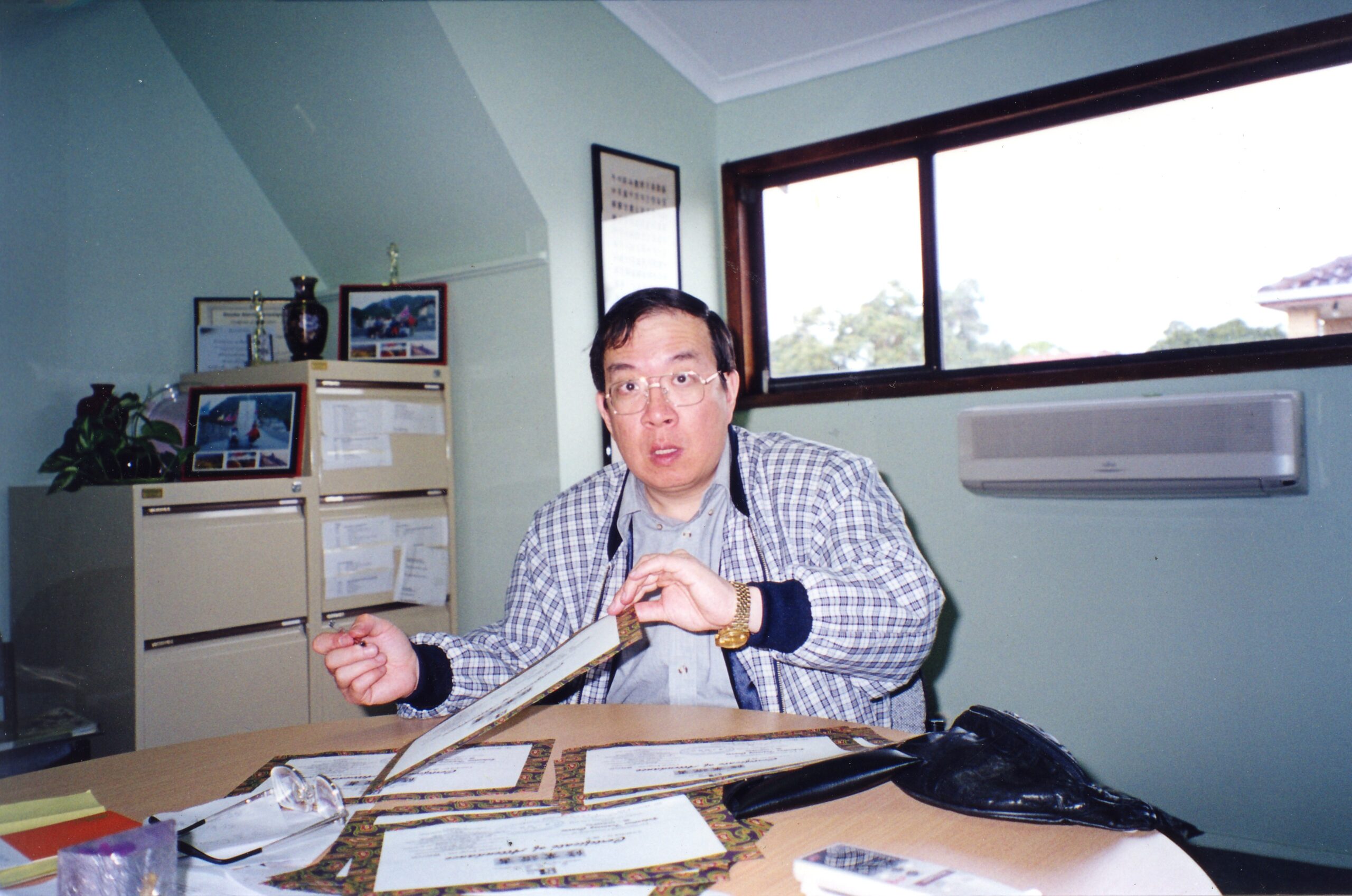
The employee information sheet contained basic details such as each employee’s identification number, name, position and hourly rate. The hourly rates were drawn from the relevant industrial Award tables, with separate worksheets for different types of employment, such as cleaner, administration personnel, early childhood Teacher, etc. The employee attendance timesheet had to be inputted every fortnight when preparing the payroll. The administrative clerk entered each employee’s daily working hours according to the information recorded on the paper attendance sheets.
Apart from the employee attendance timesheet, the other data generally remained unchanged. Updates were usually required only when an employee changed positions, received a pay adjustment or when the Government amended the relevant industrial Award or tax scale. Henry would then update the system, which normally took only one or two hours.
When using the system to process payroll, the administrative clerk only needed to open the file, position the cursor on a particular employee’s entry in the worksheet and press the shortcut keys Alt+A. The relevant information would then appear in the attendance timesheet, and she could enter the employee’s daily working hours for that pay period. Afterwards, she would press Alt+B, and the system would automatically calculate the employee’s gross pay, tax payable, annual leave hours and other entitlements based on the hours worked over the fortnight. The data would then be automatically entered into the employee’s payslip, and the payslip file would be saved.
The same process would then be repeated for the next employee until the wages of all staff members had been calculated. Finally, by pressing Alt+C, the system would automatically print all the payslips, together with the payroll information that the administrative clerk would take to the bank. The bank would then transfer the wages into the employees’ relevant accounts.
Henry also wrote a supporting program in Fortran to automatically read the 26 payroll records generated over a year and consolidate them into each employee’s annual taxation statement. Information that previously had to be compiled entry by entry could now be processed within minutes. However, using Fortran had one limitation. The number of digits for numerical data had to be defined. If the number of digits was defined incorrectly, or not defined at all, errors would occur in the calculations.
When using the system to process payroll, the administrative clerk only needed to open the file, position the cursor on a particular employee’s entry in the worksheet and press the shortcut keys Alt+A. The relevant information would then appear in the attendance timesheet, and she could enter the employee’s daily working hours for that pay period. Afterwards, she would press Alt+B, and the system would automatically calculate the employee’s gross pay, tax payable, annual leave hours and other entitlements based on the hours worked over the fortnight. The data would then be automatically entered into the employee’s payslip, and the payslip file would be saved.
The same process would then be repeated for the next employee until the wages of all staff members had been calculated. Finally, by pressing Alt+C, the system would automatically print all the payslips, together with the payroll information that the administrative clerk would take to the bank. The bank would then transfer the wages into the employees’ relevant accounts.
Henry also wrote a supporting program in Fortran to automatically read the 26 payroll records generated over a year and consolidate them into each employee’s annual taxation statement. Information that previously had to be compiled entry by entry could now be processed within minutes. However, using Fortran had one limitation. The number of digits for numerical data had to be defined. If the number of digits was defined incorrectly, or not defined at all, errors would occur in the calculations.