
During the early stages of an organisation’s development, financial resources are often limited. Many administrative problems cannot be resolved by purchasing ready-made systems, so the organisation has to explore and develop its own solutions. In 1990, our Society encountered such a situation in the annual audit.
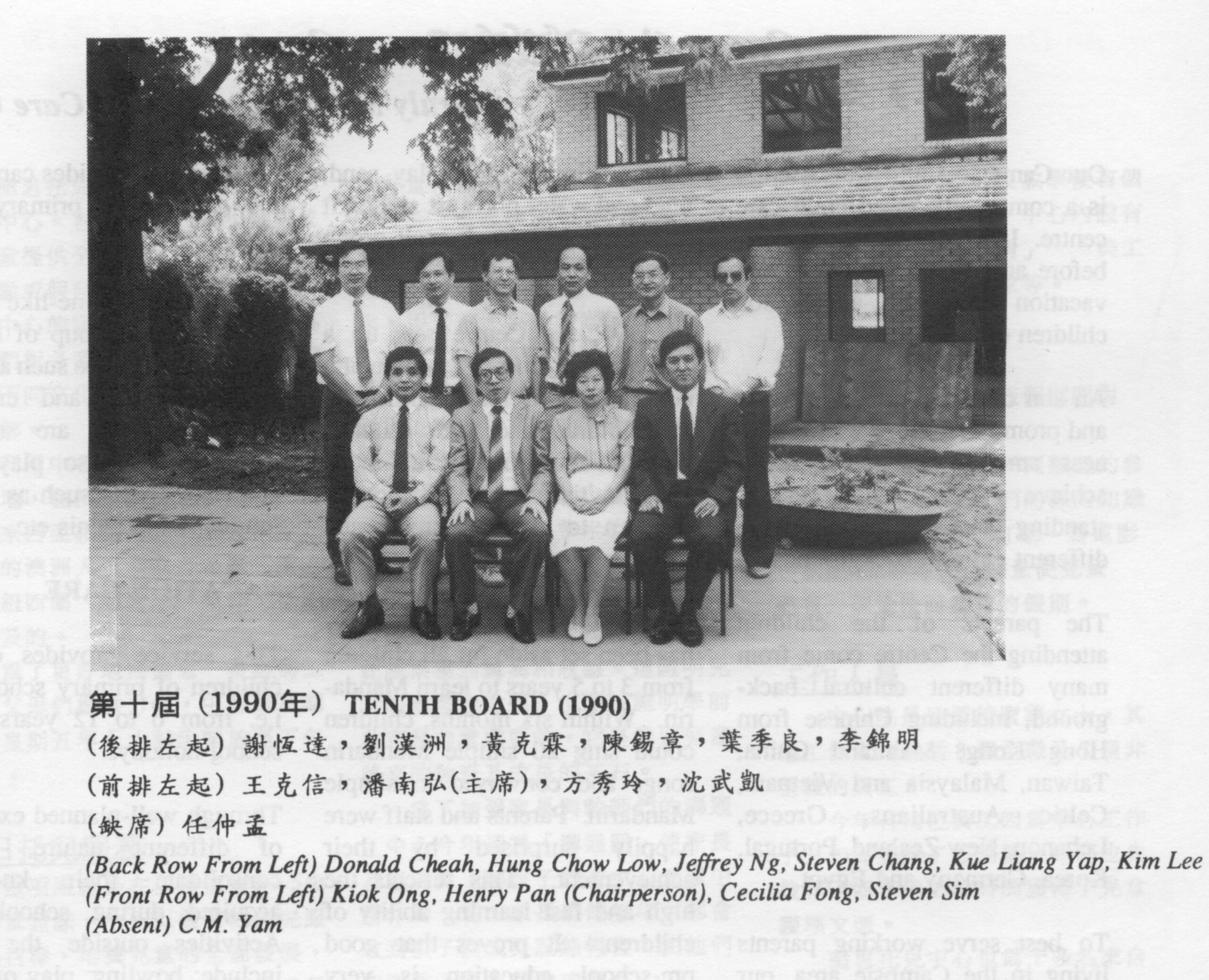
After examining the accounts, the auditor wrote a special letter to our Board of Directors, severely criticising our Society for the disorganised accounts and the Treasurer for failing to perform the required duties. During the audit, the auditor even had to help organise the accounts, which was not part of his responsibilities. The letter was subsequently read aloud at our Society’s Annual General Meeting. Henry, who was the Chairperson at the time, felt deeply embarrassed. He decided to become involved in the Society’s financial management work.
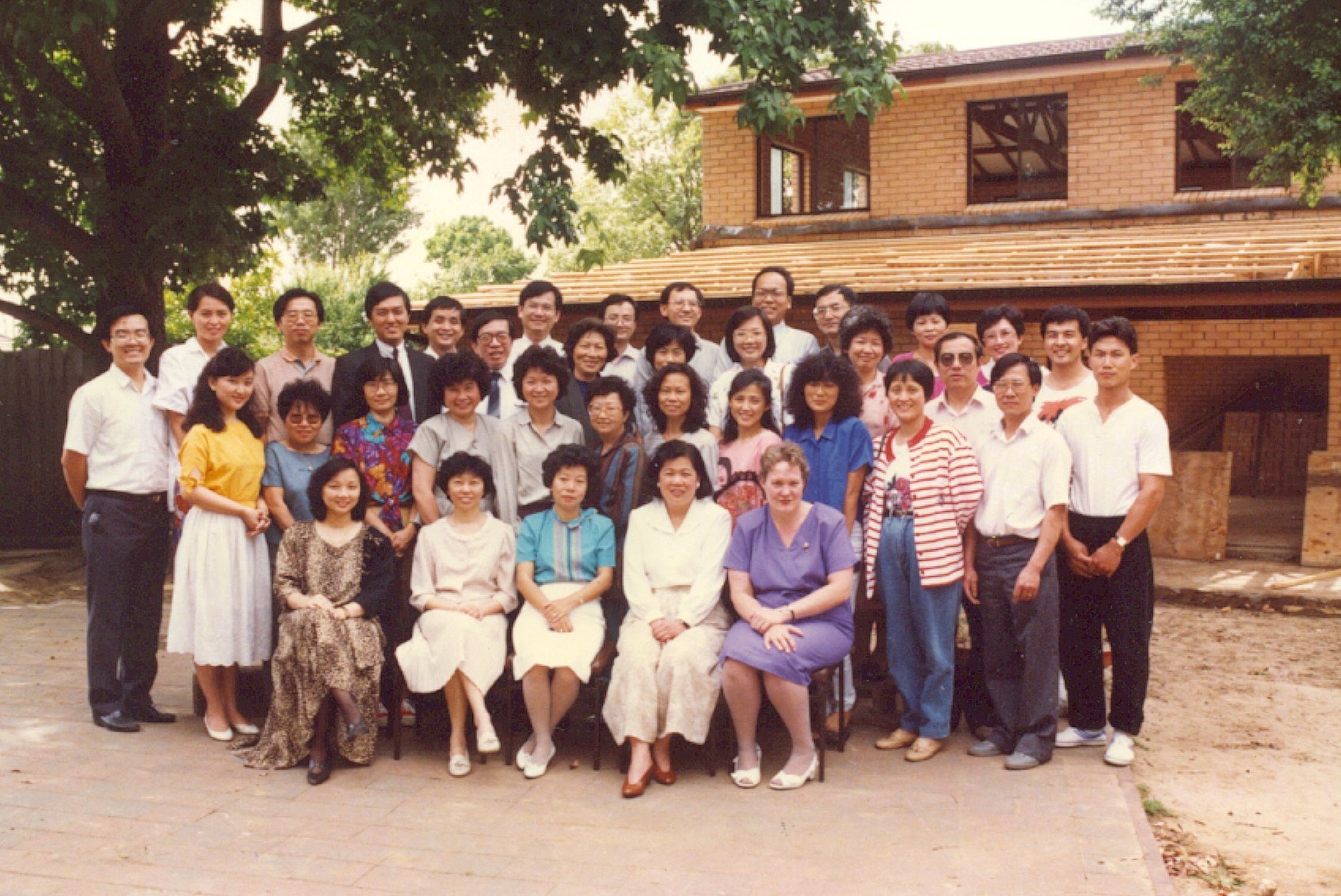
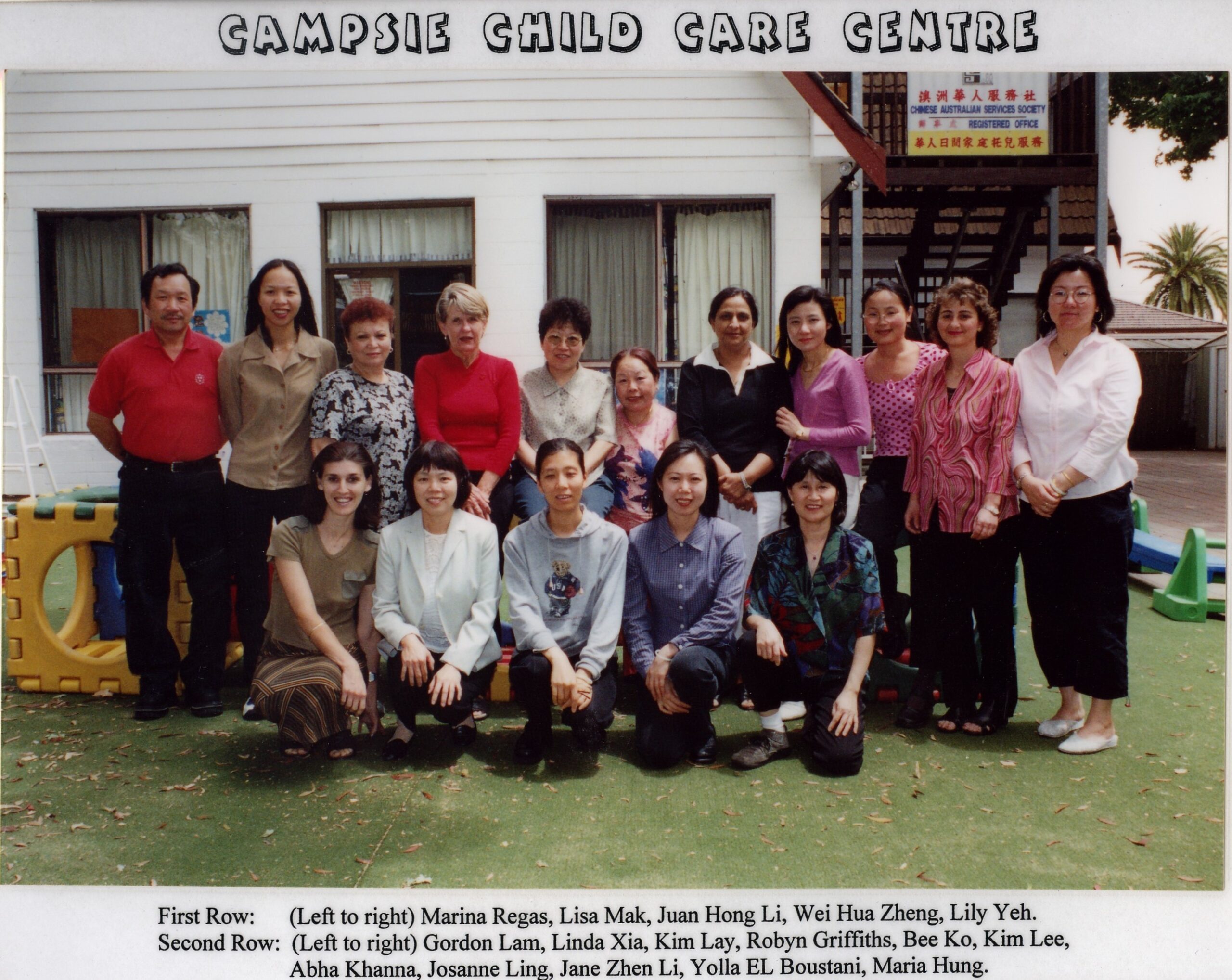
At the time, our Society operated only a child care centre and the Family Day Care Development Service, so our finances were in fact relatively simple. The person responsible for the accounts was not a professional accountant, but an administrative clerk at Campsie Child Care Centre who also handled bookkeeping and payroll duties.
When Henry discussed the matter with the administrative clerk, she explained her difficulties with a great sense of frustration. Wages had to be paid every fortnight, and on each payday, the wages of around 15 staff members were calculated entirely by hand. For every employee, she had to check the hourly rate and hours worked, and then calculate the gross pay, annual leave, sick leave, tax and other amounts. At the end of the financial year, she also had to issue each employee with a Group Certificate showing their annual earnings and prepare those relevant taxation documents. Everything was done manually. The workload was enormous, and mistakes could easily occur.
After understanding the situation, Henry realised that the work process was too outdated. Our Society needed appropriate accounting software that could automate the repetitive calculations to improve the payroll process. However, the financial circumstances of our Society at the time did not allow the purchase of such a system.
Henry frequently used computers in his work at the Electricity Commission of New South Wales and often processed data using the spreadsheet software Lotus 1-2-3. The program appeared before Microsoft Excel and was a popular spreadsheet application at the time, with functions very similar to those of Excel. Henry thought the Society could use a spreadsheet to achieve a degree of automation without spending money on specialised software.
Henry knew that Lotus 1-2-3 had a Macro function that could process data in batches. If the repetitive operations could be written into a program and executed automatically, work efficiency would be substantially improved.
Henry’s idea was that the fortnightly payroll process was essentially fixed and the calculations were repeated each time. Using Lotus 1-2-3, the frequently repeated calculations, procedures and commands could be recorded as a “Macro”. Afterwards, the entire process could be carried out simply by pressing some key. This could enable wages to be calculated automatically, payslips to be generated, and even annual financial reports to be produced.
However, while Henry had the idea, he did not yet have the technical knowledge to put it into practice. How should a Macro be operated? What commands should be used? How could wages be calculated and reports generated automatically? He did not know how to perform any of these practical tasks.
Fortunately, Henry’s Meniere’s disease was gradually improving, and the Electricity Commission of New South Wales regularly provided training courses for its employees. With this practical problem in mind, he enrolled in a two-day training course on the application of Macros in Lotus 1-2-3.
🤔How would Henry develop a payroll system for our Society? There is more to share in the next article!