After undertaking the EACH project in early 1989, the Board of Directors and volunteers of our Society directed their focused and energy on the development and fundraising for the Croydon Elderly Hostel.
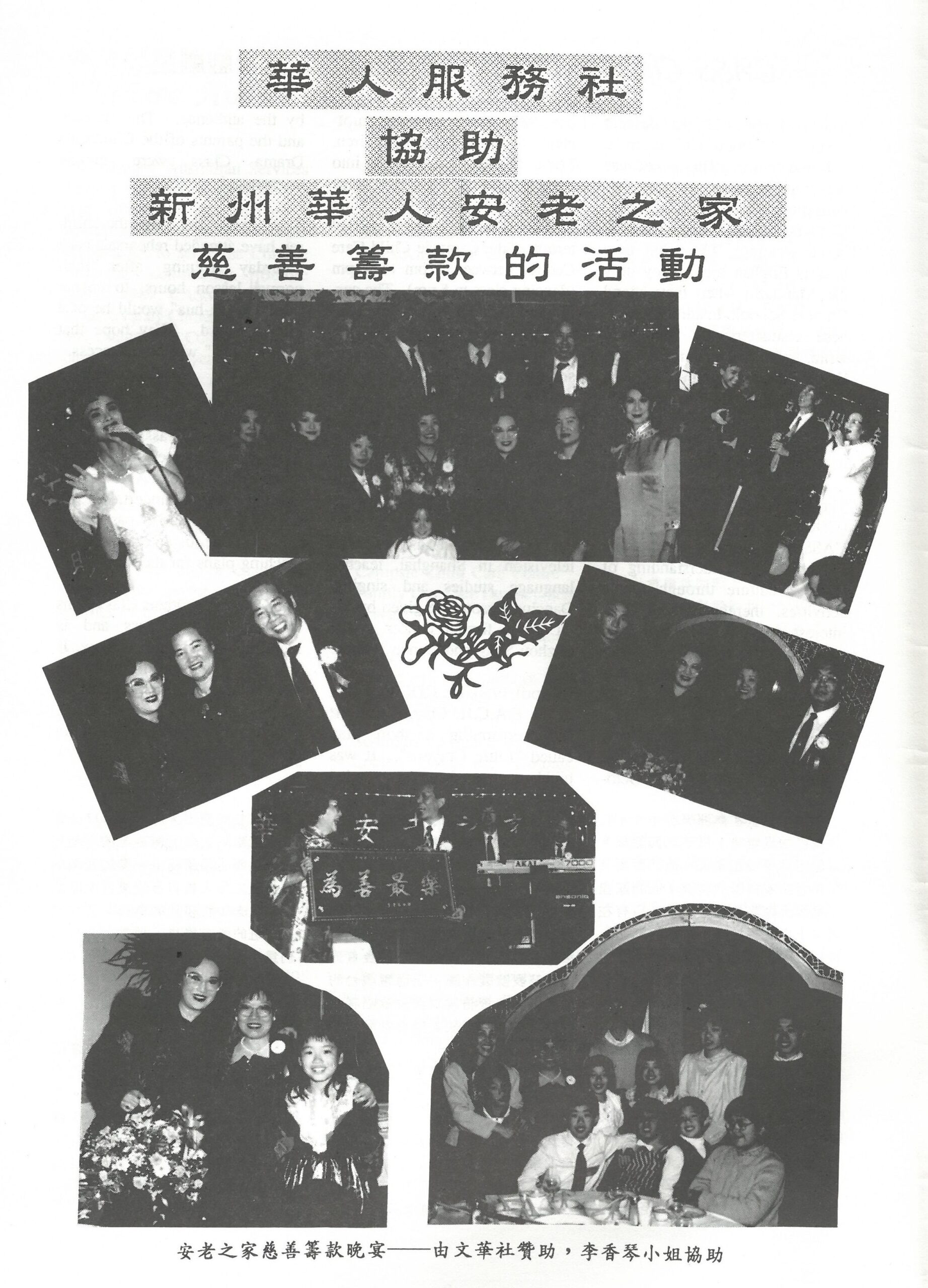
A charity dinner was held at a Chinese restaurant in Paramatta in March 1991 to raise fund for EACH. The event gained the support of a famous actress and singer from Hong Kong, Lee Heung-kam. Even though she did not perform on the night, her presence attracted many participants. The tickets of all 50 tables were sold out and the atmosphere was exuberant.
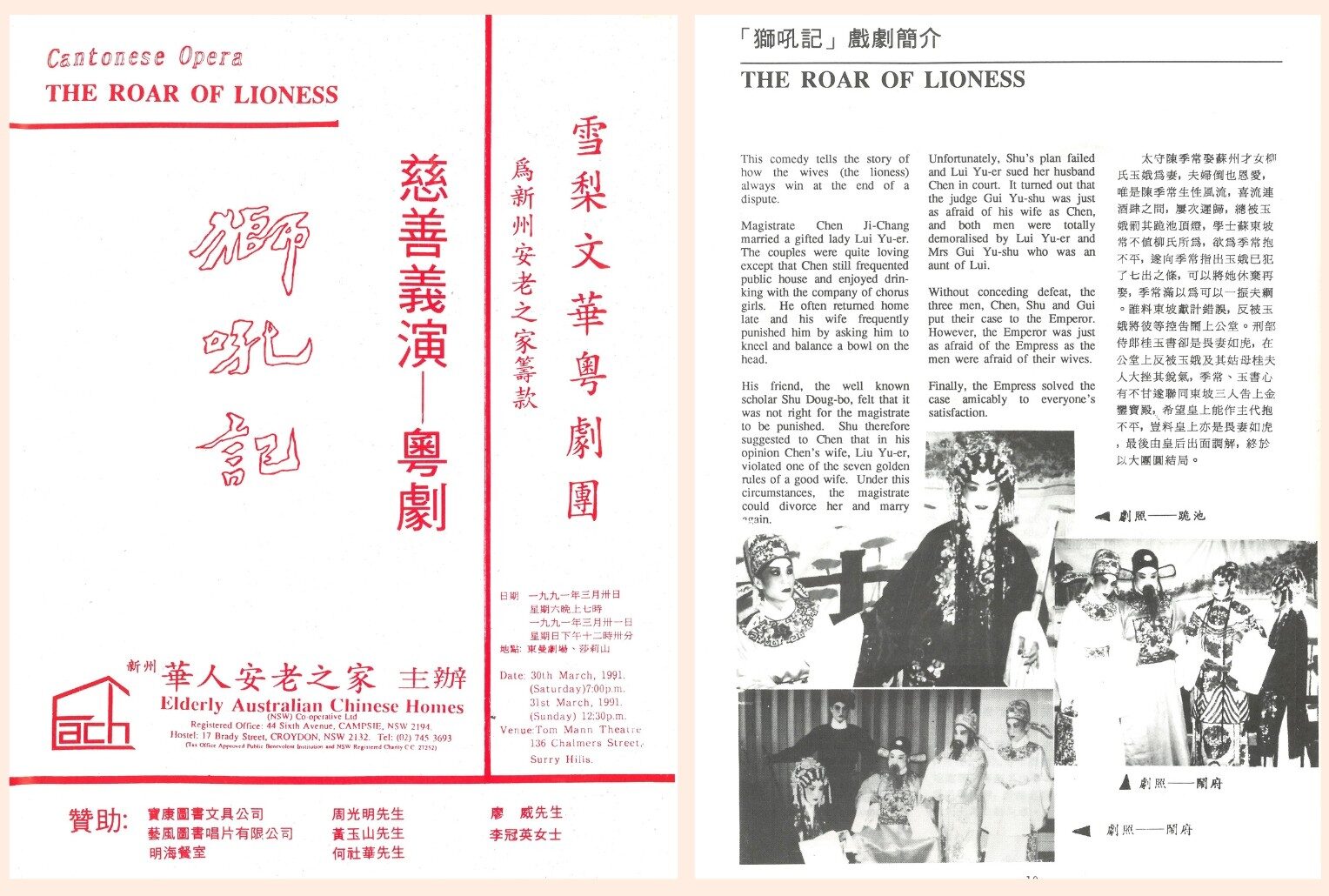
In April 1991, with the help of the Sydney Man Wah Cantonese Opera Troupe, the fundraising event, “The Lion’s Roar” Chinese opera was staged. Our Society did not have to worry about the venue nor the performance and was responsible for the ticket sales only.
To raise fund for EACH, the large-scale children’s drama “Ma-Lan-Hua” was staged in October 1991. It had created a huge impact in the community. Teachers, students and the responsible Board directors all wanted to continue organising performances. However, such performances involved a lot of finances, manpower and resources, affecting the goal and work schedule of the Society at the time. People like Henry felt that the Society should stick to its founding aim which was to provide community services and not cultural performances. There were different opinions among the Board directors and cracks began to surface.
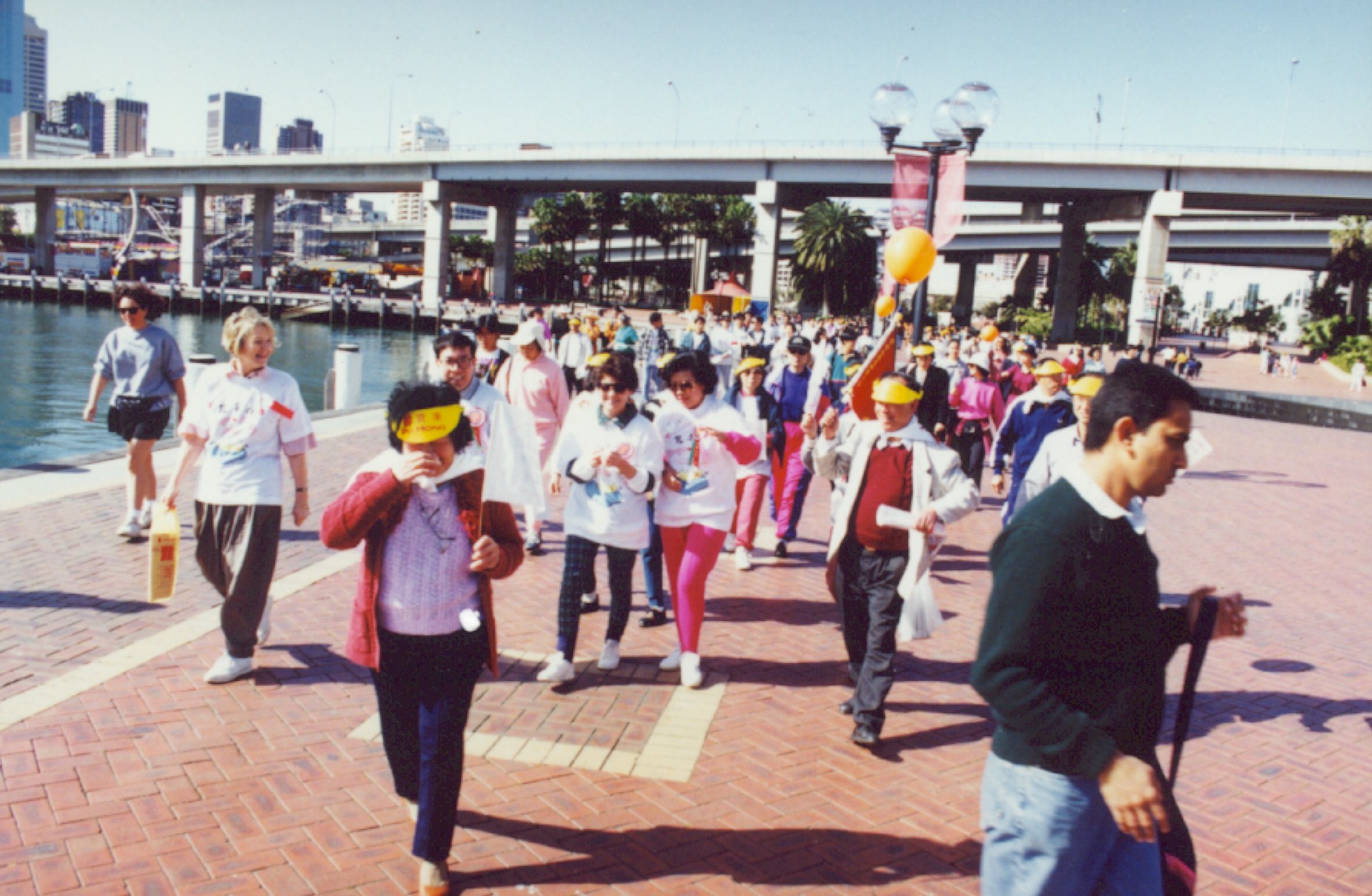
Apart from dinners and performances, what other options were there? Henry was aware that some mainstream fundraising events included charity walks. A significant one was the Walk Against Want held in the Tumbalong Park at Darling Harbour. After taking part in the event with his friends, he felt that it was very relaxing and meaningful. People of all ages could participate, and could enjoy the beautiful sights of Sydney while exercising and at the same time supporting charity.
Henry thought: if such charity walk was organised in the Chinese community, maybe a lot of money could be raised for EACH.
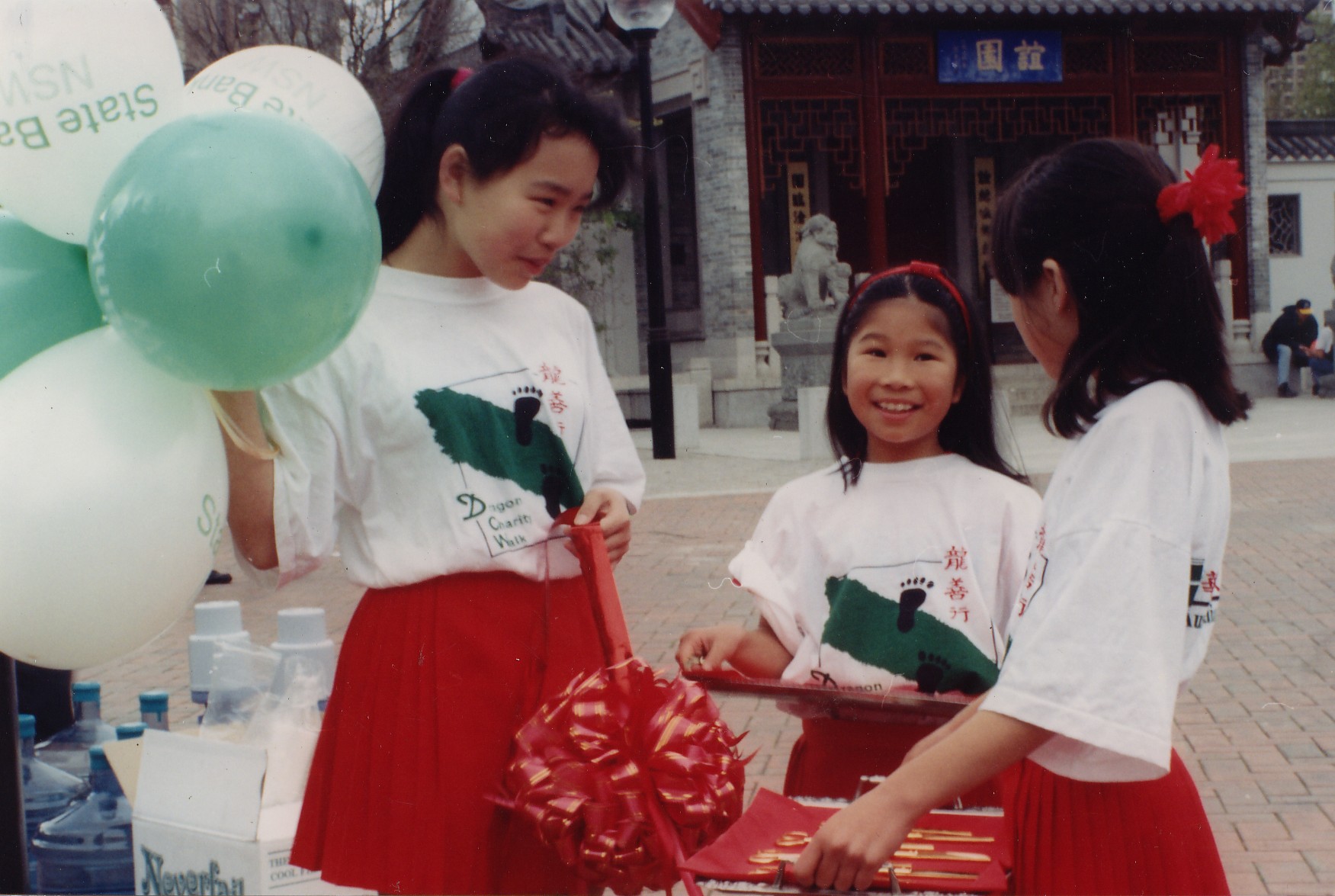
Both the starting and finishing points would be set in Tumbalong Park at Darling Harbour. There were 3 routes, 3km, 5km and 10km respectively. Participants could choose the route according to their physical ability. Along the routes were lined with Sydney’s beautiful scenery. Participants could enjoy the attractive sights of Sydney during their walk, including famous landmarks such as the Chinese Garden of Friendship, Macquarie Street, Martin Place, Hyde Park, Royal Botanical Garden, Opera House, Sydney Harbour Bridge, etc. Check points would be set up along the routes. Participants would get stamps at those different check points, adding fun and a sense of involvement in the process.
Organising this charity walk required the involvement of many volunteers. Such fundraising activity also needed sponsorship and people to sponsor the participants. Gaining the support of various parties and well targeted promotion would be crucial.
A well-known stationery shop in the Chinese community at the time, Po Hong Group of Companies, was willing to sponsor the event. They sponsored many Chinese tertiary student groups every year, enabling them to take part in soccer competition.
🤔 Would the Dragon Charity Walk get support from sponsors, volunteers and participants? There is more to share in the next article!