Starting a business is more than reciting a slogan. It requires careful planning and execution step by step. In the last article, Mr. Henry Pan shared his experience of becoming a volunteer by accident. He has since been involved in voluntary work for over 45 years. He continues to share his experience of building the organization.
At the preparation meeting on 12 January 1980, Henry was unanimously voted to become the Convenor of the Preparation Committee.
At that time, CASS did not have any service. Henry had to start the organization from scratch to establish child care service.
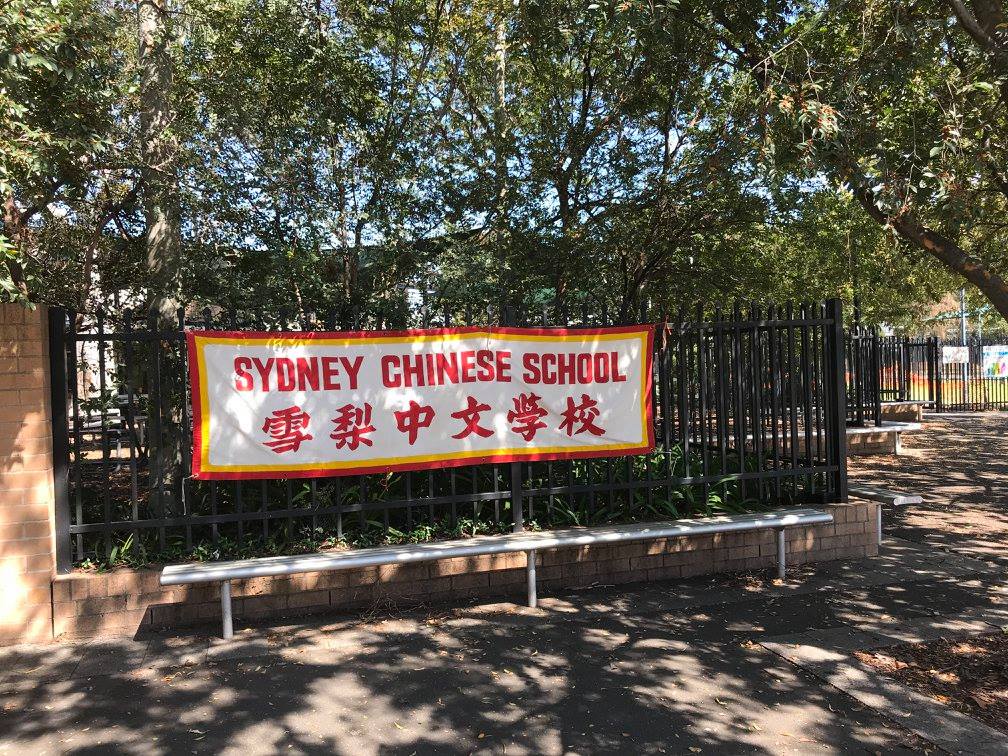
He wanted to invite like-minded people to join the work. However, Mr. Wee Teck Teo who initiated the project said he needed to seek approval from the Board of the Sydney Chinese School. While Mr. Teo himself was willing to take part in the work, the Chinese School decided not to join the project, and Henry could make decisions on his own. Hence, there were only 2 people in the Project, himself and Mr. Teo.
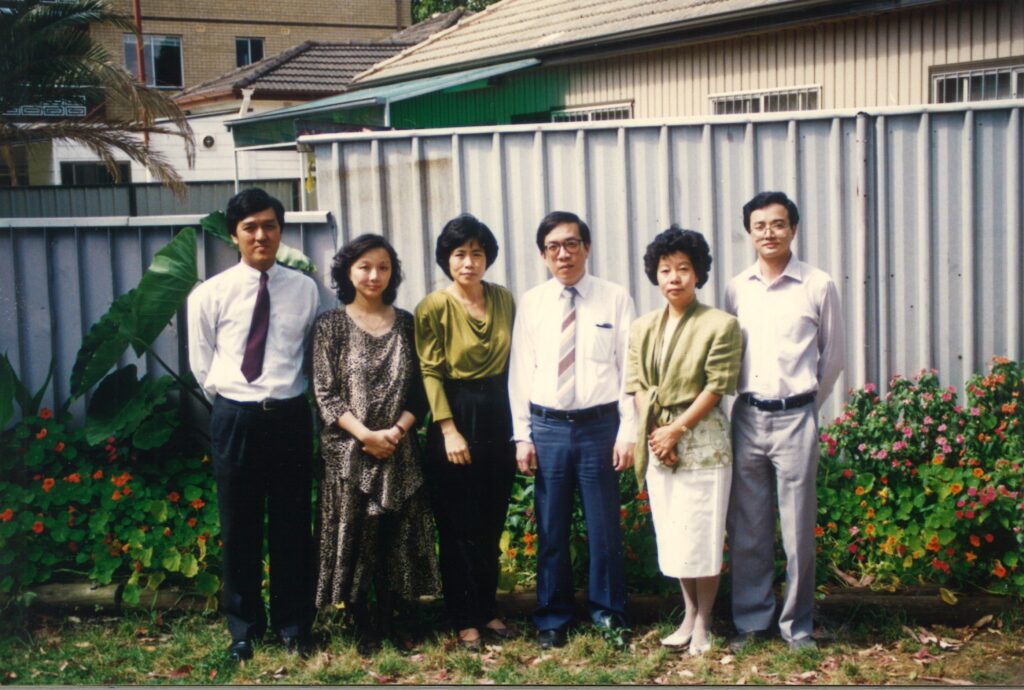
He invited 6 to 7 of his friends to get involved in the Project. Among them included Dr. Leng Tan, Mr. Ching Tan, Dr. Cecilia Fong, Ms. Patricia Wong, Mrs. Hilda Lee plus Mr. Wee Teck Teo.
Henry found out that the government had set up an organization to assist community groups with intention to apply for funding to operate community services, supporting government’s multiculturalism policies implementation.
After consultation with that organization, Henry learnt that the task required was to submit an application with supporting data indicating the lack of culturally appropriate child care services in the Chinese community and there was an urgent need for the service. The submission required collection of data, analysis of data collected, explanation of why the service was needed, together with proposals and budget.
Henry’s professional background was an engineer, and he did not have knowledge of social research methods. Other committee members were either doctors, teachers, accountant or nurse, and they also did not have knowledge about conducting surveys. Fortunately, two heads are better than one!
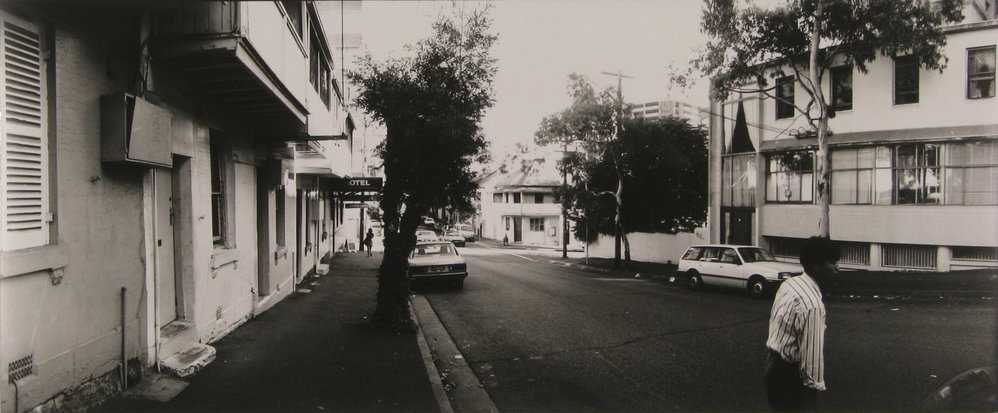
How to go about with the survey? There were not too many Chinese migrants at the time. Apart from Chinatown, it was difficult to find other suburbs with a high density of Chinese residents. After discussion, committee members believed that the proposed child care center should be located around Chinatown area. They decided to conduct surveys around Surry Hills where there was a concentration of people with Chinese background. They wanted to collect data to show that the Chinese community urgently needed a culturally appropriate child care service.
From June to August 1980, Henry and the committee members gathered and coordinated a team of volunteers to carry out two significant tasks.
The first was to conduct door-to-door surveys on Chinese residents in the Surry Hills area. The task received the strong support and assistance from the Chinese Masonic Society. Volunteers chose houses with Chinese residents along Commonwealth Street and conducted interviews. They managed to survey over 80 houses with Chinese residents.
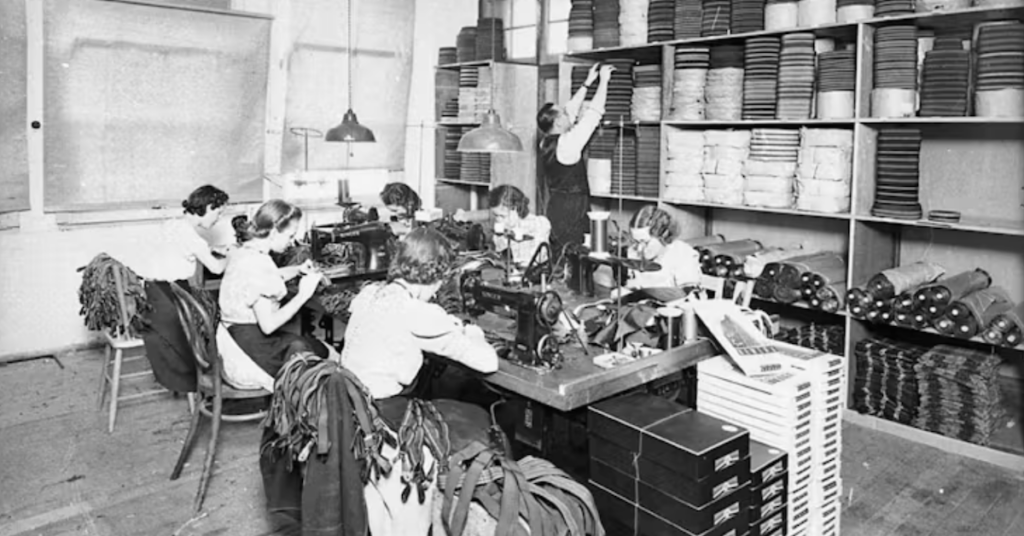
The second task was to interview female Chinese factory workers. There were many garment factories in the Surry Hills area then and most of the female workers were Chinese. Henry contacted two factories. After learning about the intention of the committee, the owners were very supportive as the factory workers needed child care services. Around 20 workers from each factory were interviewed and the result was satisfactory.
After the 2 rounds of survey, it was considered that there was a need to collect data from people in the general Chinese community to show their support for the project. How could it be done? Please stay tuned for the next article.