
On 15 August 1987, the Board of Directors of our Society formulated its first Corporate Plan. Apart from developing child care services, the Plan also covered other areas, including assisting with the development of the “Elderly Home”, providing settlement services, combating racial discrimination and organising cultural activities. These diversified services set the direction for the Society’s future development.
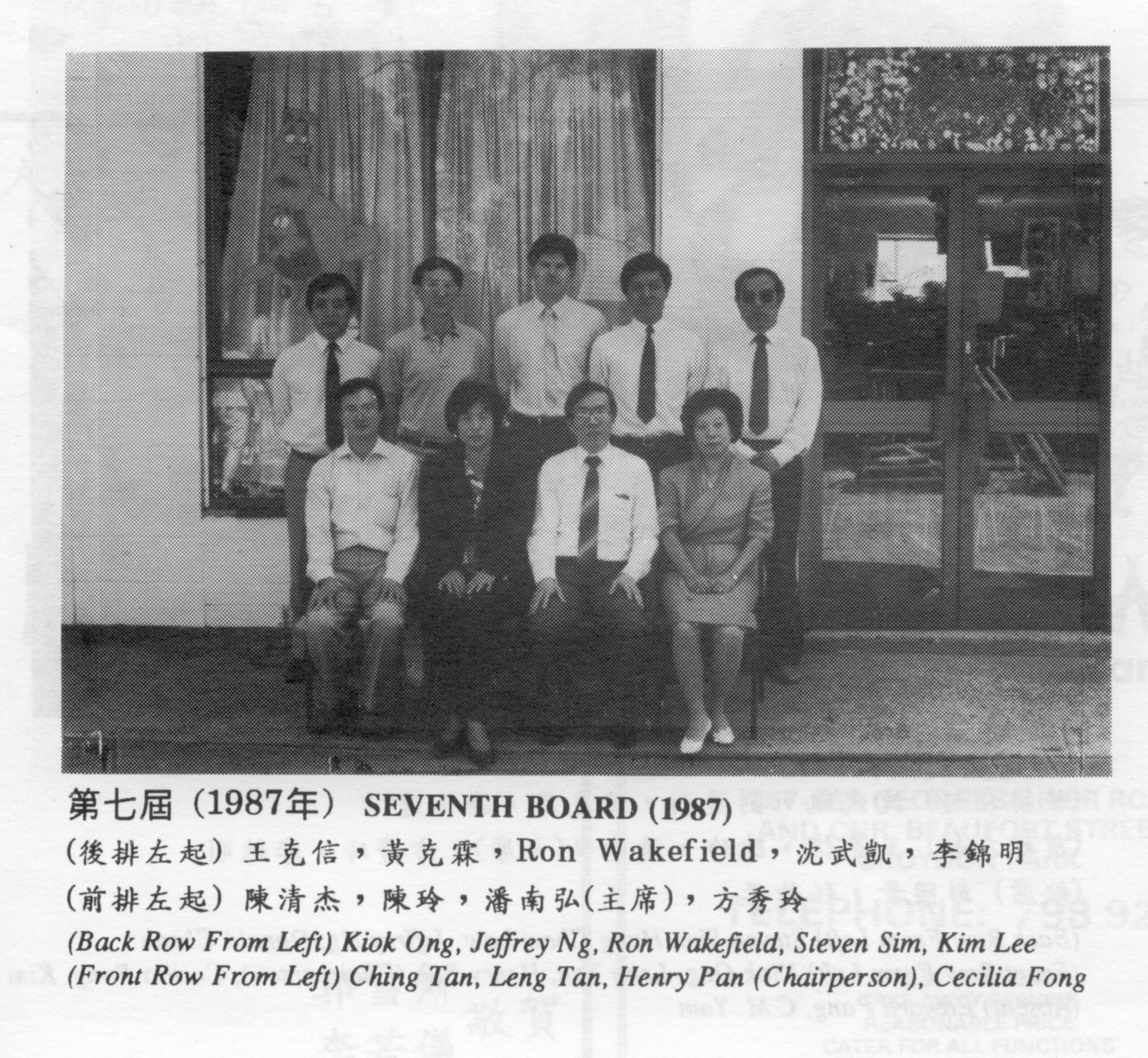
Just as Henry was looking forward to put the Plan into action, on the evening of 4 January 1988, he suddenly felt the world spinning around him. He was unable to stand and suffered severe vomiting. After seeking medical assistance several times, he was diagnosed with the “incurable” Meniere’s disease. His doctor advised him to reduce his workload and have more rest. Over the following two years, he had to substantially reduce his involvement in the affairs of the Society.
At the time, the Society was actively assisting the “Elderly Home” aged hostel project to apply for government funding. Henry was responsible for preparing the funding submission and negotiating with government department. Despite suffering from Meniere’s disease, he persisted in completing and submitting the application. Within a short period, by May 1988, the funding application was approved.
During the same period, the number of Asian migrants in Australia continued to increase, and anti-Asian remarks appeared from time to time. In February 1988, Ron Casey, a broadcaster at Radio 2KY, repeatedly made insulting remarks about Asian people during his program on air. Although members of the Chinese community were deeply offended, no action was taken to lodge complaints.
The directors of our Society believed that, in accordance with the Corporate Plan’s commitment to “safeguarding the rights of the Chinese community”, there was a need to speak out. Henry suggested publishing articles in the Chinese newspapers, calling on members of the Chinese community to stand together against racial discrimination. A sample complaint letter was also included to encourage people to lodge complaints with the Australian Broadcasting Tribunal.
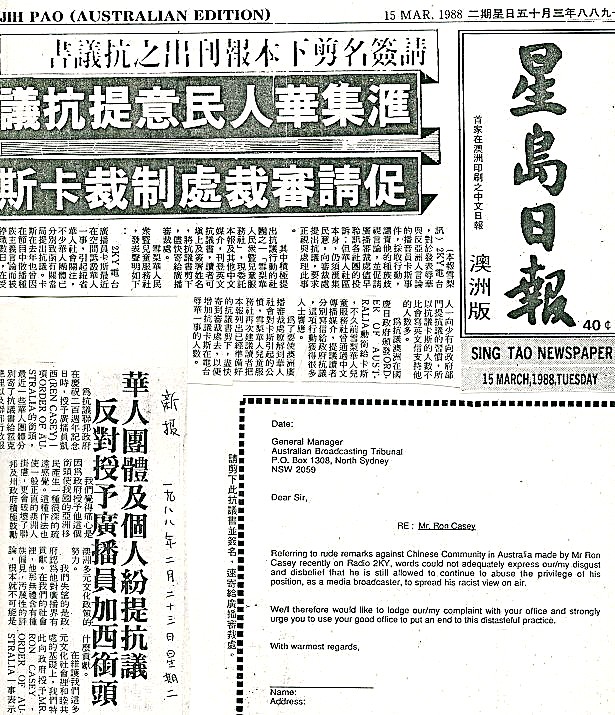
The initiative quickly received an enthusiastic response from the community. Eventually, the Tribunal received more than 1,200 similar complaint letters.
After seeing the strong response generated by the Society’s pioneering action, the Australian Chinese Community Association also took action. At the time, it was a larger organisation providing a number of government-funded services. Some of its members had legal backgrounds and represented the community in dealing with the Tribunal, helping to move the case towards a formal hearing.
This was the first large-scale and united collective action taken by the Chinese community in Australia to defend its rights. In the end, the Tribunal suspended Ron Casey from broadcasting for three months. When he returned to the air, a supervisor was required to be present with a button that could terminate the program at any time.
The campaign greatly raised the profile of our Society in the community. Some people wondered, “Why would an organisation providing child care services stand up against racial discrimination?”
.
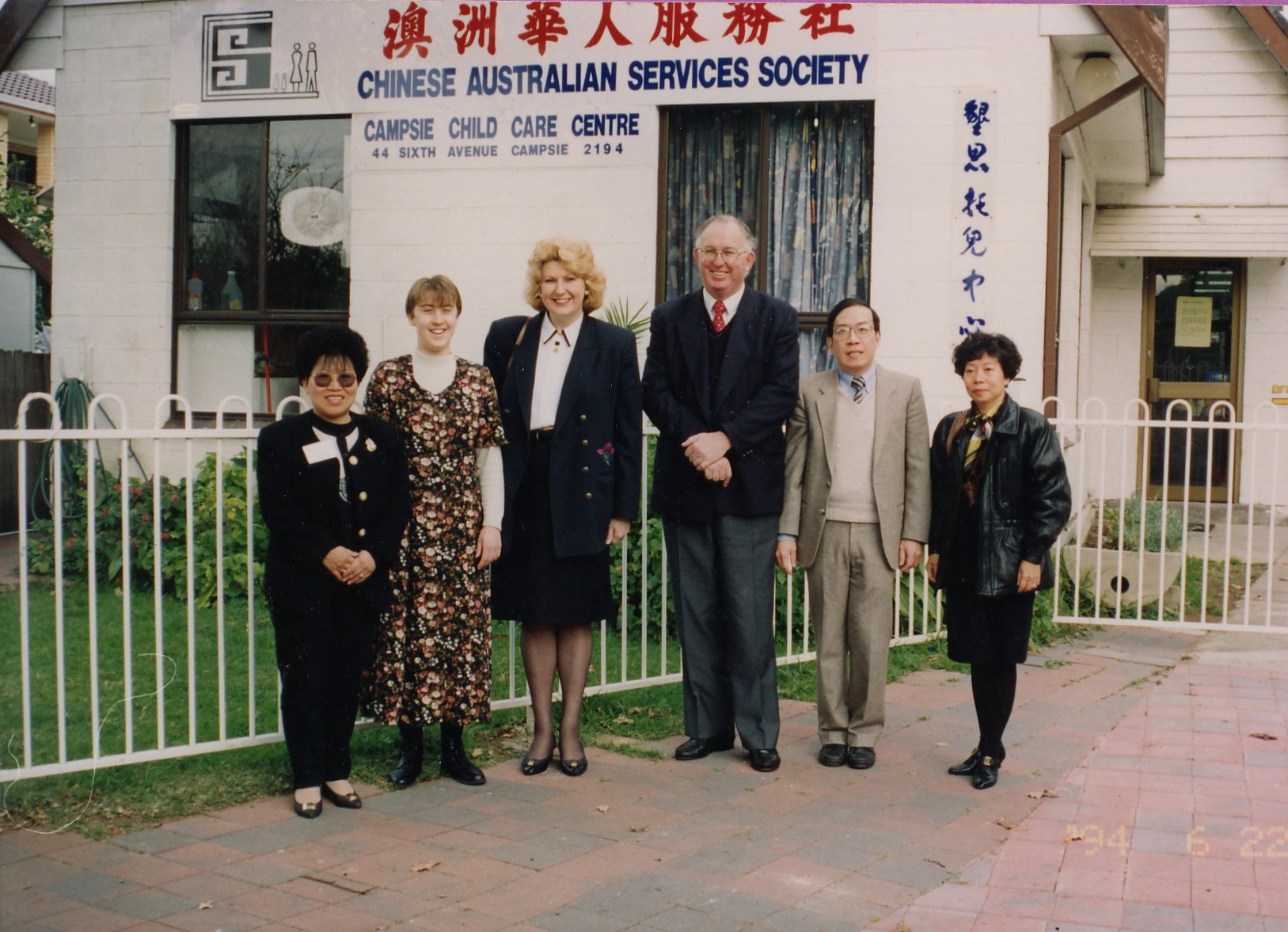
In response to such questions, the directors began to consider whether the name “Sydney Chinese Child Care and Community Co-operative Society” should be changed. In fact, the Society’s work was no longer confined to children’s services. It had expanded to provide different types of social services in response to the needs of the community. At the Annual General Meeting held on 19 March 1989, the organisation changed its name to the “Chinese Australian Services Society”. As its services became increasingly diversified, it also adopted “CASS” as its brand name.
Around the end of 1988, having recognised the Society’s excellent performance in managing Campsie Child Care Centre, the relevant Federal department commissioned our Society to establish a child care centre at Darling Harbour.
🤔How would the new child care centre develop? There’s more to share in the next article!