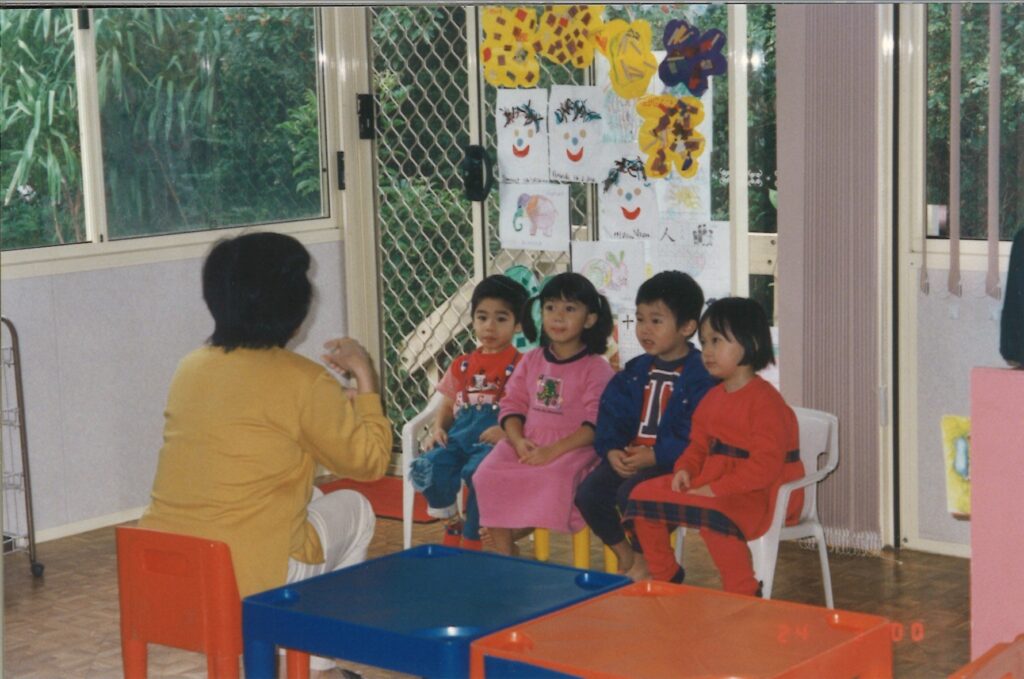
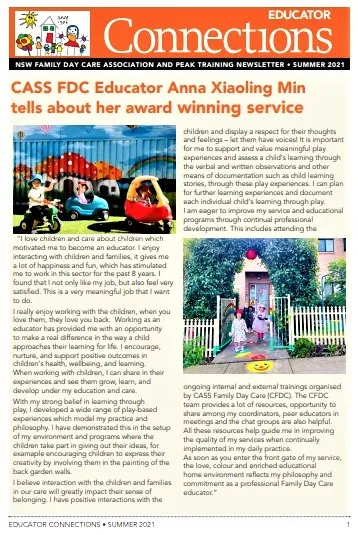
In 1983, our Society received two fundings, allowing the employment of 3 part-time staff members to carry out the work of “Family Day Care Development Service” (FDCSS). It was a referral service, matching Chinese families needing child care to caregivers.
According to the Regulations, all caregivers were required to be registered with a mainstream FDC service.
Facing enquiries from people residing all over Sydney, the Society was trying its best to meet the needs of the families. However, the system at the time did not allow cross-boundary services.
The State Government was the enforcement authority of FDC regulations. It was supportive of the pilot FDCDS project, and it provided special approval letting Sydney Family Day Care, who was working together with our Society, to provide services outside its service boundary.
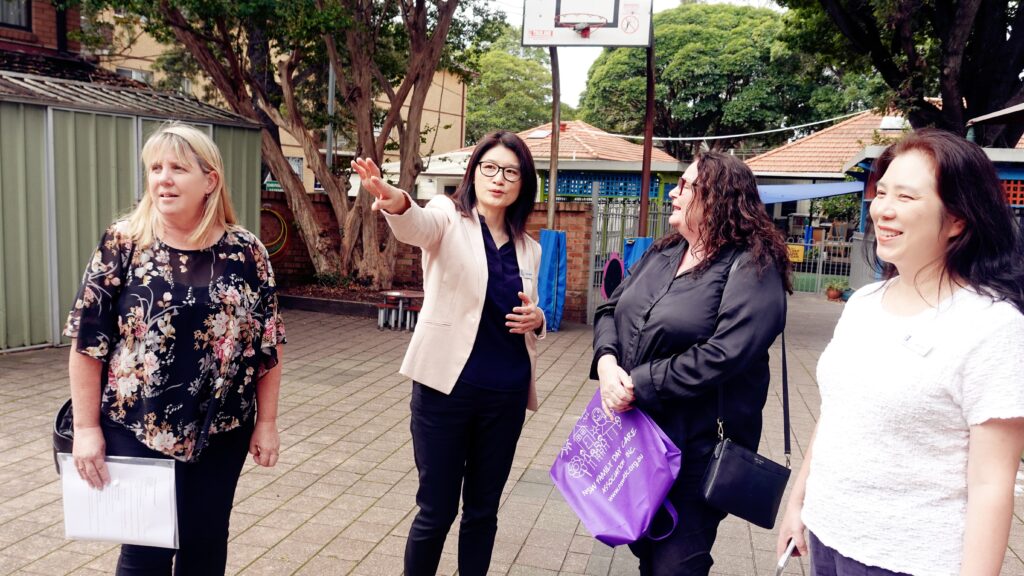
The Board felt that considering long term, there was a need to gain the support of mainstream Family Day Care agencies in different regions to accept Chinese caregivers to be able to provide services in their areas. Building relationships with mainstream FDC services was important and necessary. The Society thus applied to become a member of the NSW Family Day Care Association – the peak organization in which all mainstream FDC agencies joined.
The Board originally thought that, with the strong support of Ms. Maureen Hastings, the other FDC agencies would also be friendly and welcoming. Surprisingly, at the first meeting, the Society representatives were faced with interrogation and suspicion: “Why are you doing this project?”, “Why are you competing with our business?” and “Ask parents and caregivers to contact us directly, we do not need you!”
Representatives of our Society, Dr. Cecilia Fong, Mrs. Susie Chu and our staff members, were always patient and explained our objectives: “We are not competing with your business. We want to help Chinese families with limited English to understand the service as language and culture are barriers to accessing services.” The initial responses were very unfriendly: “Don’t be a caregiver if you don’t know English!” It was an embarrassing situation.
Our Society’s representatives did not give up. They continued to attend the meetings and kept communicating with fellow people engaged in the same trade. Ice was gradually broken. As time went on, those agencies that were initially hostile or indifferent began to understand the intention of our Society. Animosity was replaced by respect and friendship. As years went by, the people not only became friends, but also long-term working partners.
The officers of relevant departments in both the state and federal Governments dealing with child care services held meetings with our Society’s representatives bi-monthly. They found that our Society’s Board was a strong team having management capabilities, ideals and was down-to-earth.
The journey thus passed reflected an important message: when faced with difficulties, one needs to keep working hard and with time, strangers will become acquaintance, and estrangement will turn to respect.
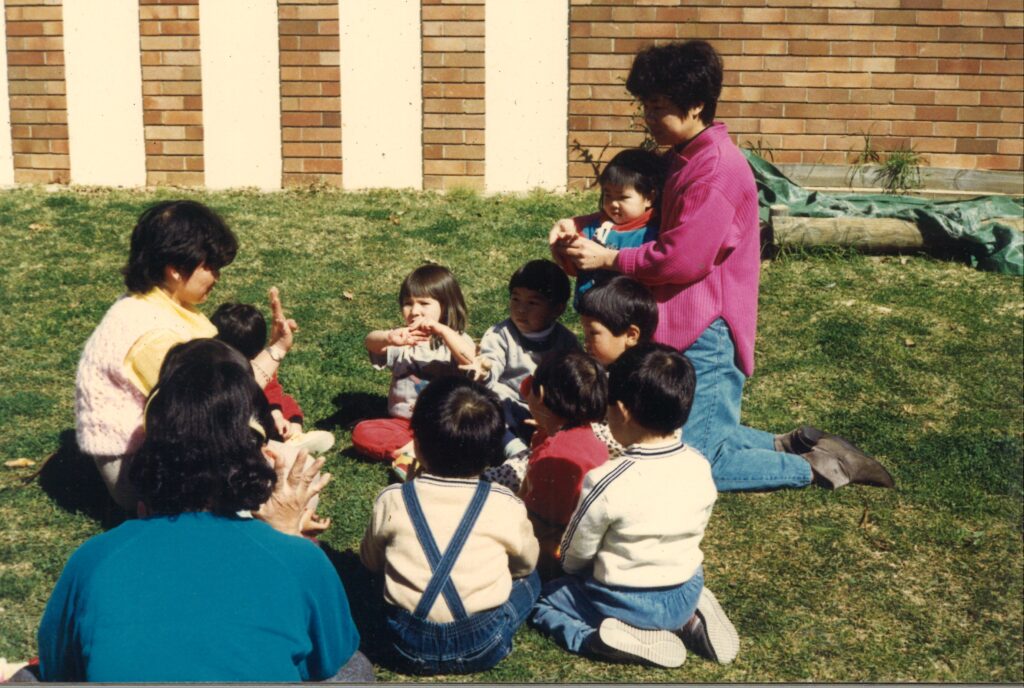
The Society was not just providing services across boundaries in different regions; it also began to establish playgroups. Staff members had to run the playgroups, implying that the employed part-time workers had to take up full-time duties. Once again, our Society was facing challenges.
🤔How did the project go? There is more in the next article.